Bathroom remodels are often driven by appearance, new tile, modern fixtures, and a cleaner layout. But more homeowners today are looking beyond surface upgrades. They want bathrooms that use less water, consume less energy, and feel healthier to live in every day.
An eco-friendly bathroom remodel focuses on exactly that. By combining efficient fixtures, durable materials, and smarter design choices, you can reduce waste without giving up comfort or style. In this guide, we’ll break down what makes a bathroom truly eco-friendly, which upgrades have the biggest impact, and how homeowners across the U.S. can plan a remodel that delivers long-term value.
Why an Eco-Friendly Bathroom Remodel Makes Sense for U.S. Homeowners
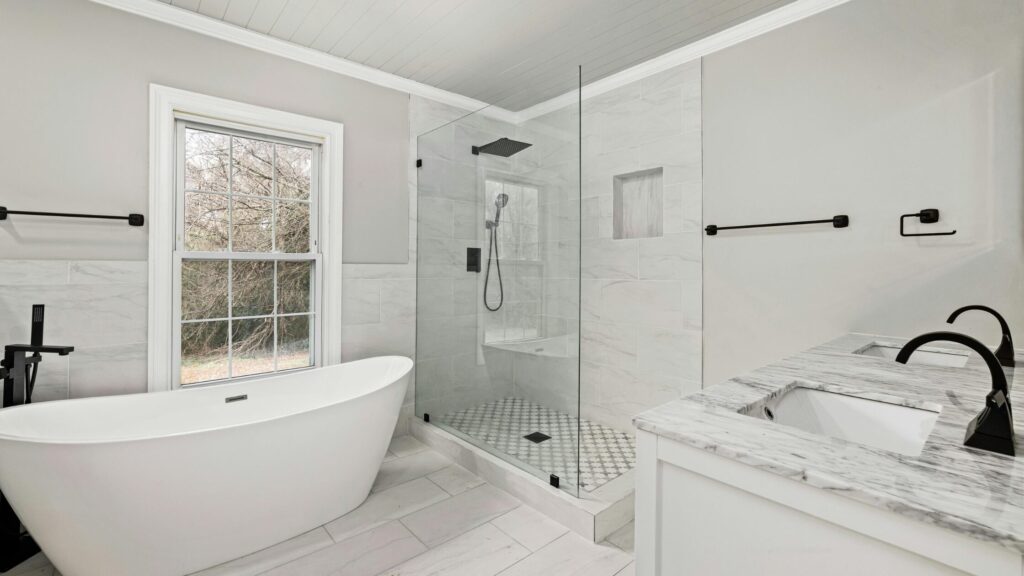
Bathrooms are one of the highest water- and energy-using spaces in any home. Toilets, showers, faucets, lighting, and ventilation all run daily, often multiple times a day. In older homes, many of these systems were installed before modern efficiency standards existed.
An eco-friendly bathroom remodel helps by:
- Lowering monthly water and energy bills
- Improving indoor air quality, especially in enclosed spaces
- Reducing long-term maintenance through better materials
- Increasing resale appeal, as buyers value efficient homes more than ever
Sustainability doesn’t require dramatic lifestyle changes. It’s about making smarter, well-planned upgrades that work quietly in the background every day.
What Makes a Bathroom Truly Eco-Friendly?
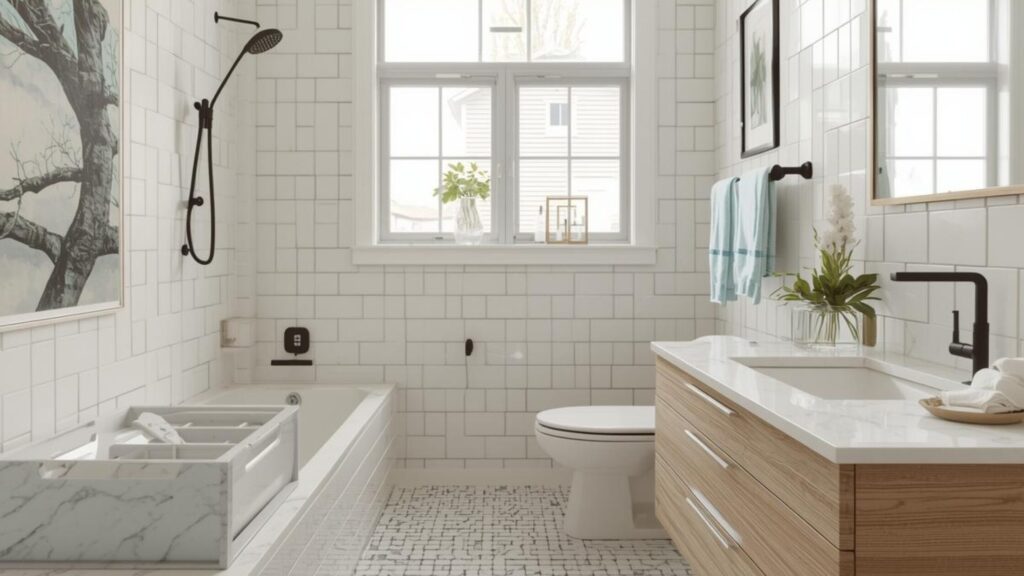
A sustainable bathroom remodel goes beyond a few “green” products. It’s built on four core principles that work together.
1. Water efficiency
Modern low-flow toilets, faucets, and showerheads use significantly less water while still delivering strong performance. Many older toilets can use up to 6 gallons per flush, while newer models typically use around 1.28 gallons.
2. Energy efficiency
Lighting, exhaust fans, and smart controls play a big role in reducing electricity use while improving comfort and safety.
3. Low-impact, durable materials
Materials that last longer and come from responsible sources reduce waste over time.
4. Healthier indoor air quality
Low-VOC paints, sealants, and adhesives help limit chemical exposure, which matters in bathrooms where ventilation can be limited.
When all four areas are addressed, the result is a bathroom that performs better overall.
Water-Saving Bathroom Fixtures That Make a Real Difference
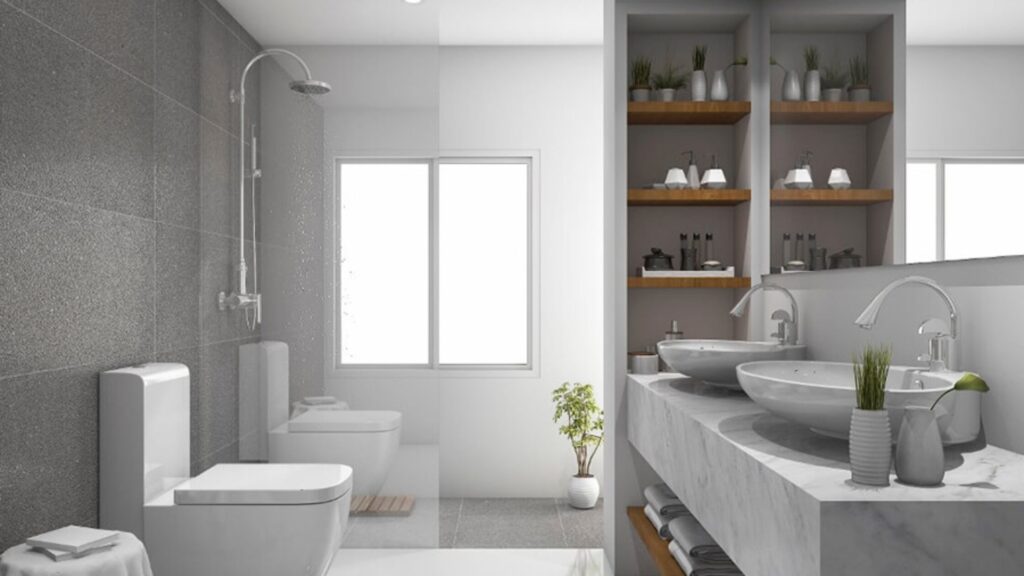
Water efficiency is often the easiest place to start when planning a sustainable bathroom remodel.
1. Low-flow and dual-flush toilets
Modern toilets are designed to balance water savings with reliable flushing. Dual-flush models allow lighter flushes for liquid waste and stronger flushes when needed, cutting water use without changing daily habits.
Homeowners should look for toilets that meet EPA WaterSense standards, which indicate independently verified water efficiency. You can learn more about these criteria through the EPA WaterSense program, which helps consumers identify water-saving products that perform well.
2. Water-efficient showerheads and faucets
Today’s low-flow showerheads are designed to maintain pressure while reducing flow. A good target is 2.0 gallons per minute (GPM) or less, with some high-efficiency models going down to 1.5 GPM.
Faucets with aerated or laminar flow reduce splashing while keeping water use in check. These small changes add up over time, especially in busy households.
3. Smart water controls and leak prevention
Touchless faucets, automatic shutoff valves, and leak-detection systems help prevent wasted water and protect against damage. These upgrades are especially useful in upstairs bathrooms or guest spaces that don’t get daily use.
Sustainable Bathroom Materials That Balance Style and Longevity
Eco-friendly materials have come a long way. Today’s options offer modern finishes, durability, and easy maintenance.
1. Flooring options for sustainable bathrooms
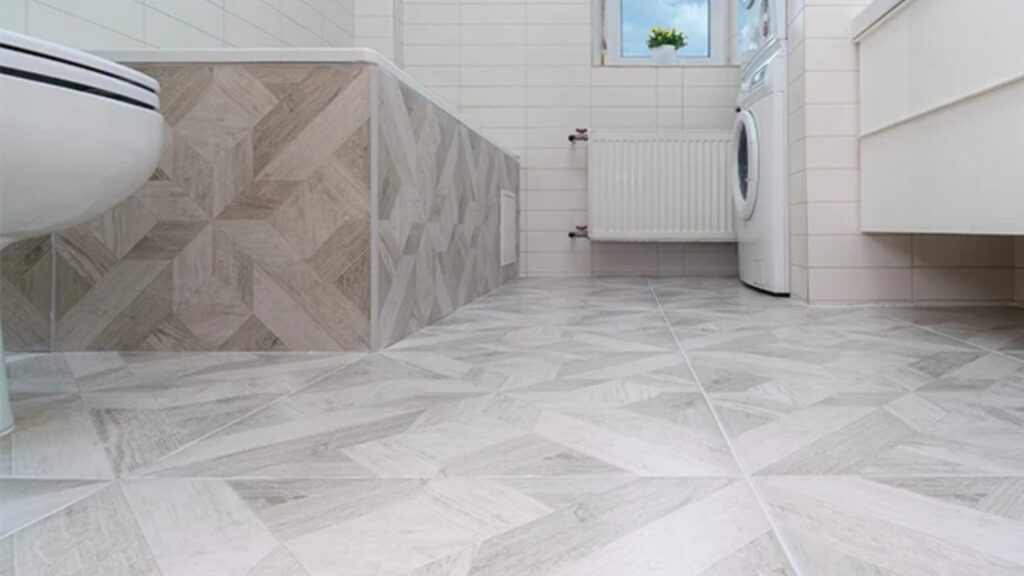
Porcelain tile remains one of the most reliable choices for bathrooms. It’s moisture-resistant, long-lasting, and easy to maintain. Recycled glass tile is another popular option, offering visual interest while reusing post-consumer materials.
In some designs, engineered wood or cork can work when properly sealed, though these options should be evaluated carefully based on moisture exposure.
2. Countertops, vanities, and cabinetry

Reclaimed wood vanities add character while reducing demand for new materials. FSC-certified cabinetry ensures responsible forest management, while recycled composite countertops provide durability similar to stone with a lower environmental impact.
3. Low-VOC paints and finishes
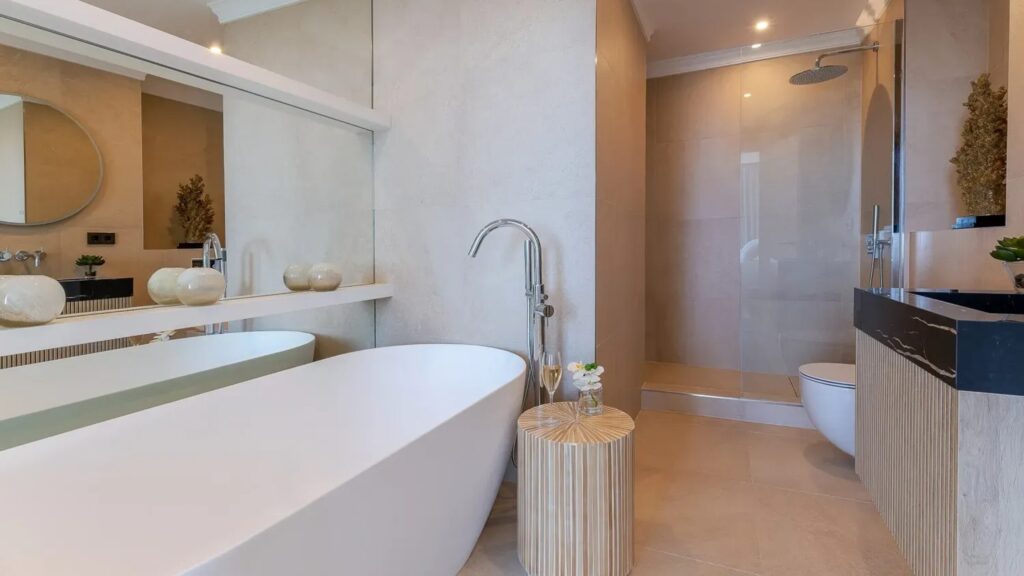
Bathrooms benefit greatly from low-VOC paints and sealants. These products release fewer airborne chemicals, helping improve indoor air quality and overall comfort.
Energy-Efficient Lighting and Ventilation for Healthier Bathrooms
Energy efficiency is just as important as water savings in a sustainable bathroom remodel.
1. LED lighting for bathrooms
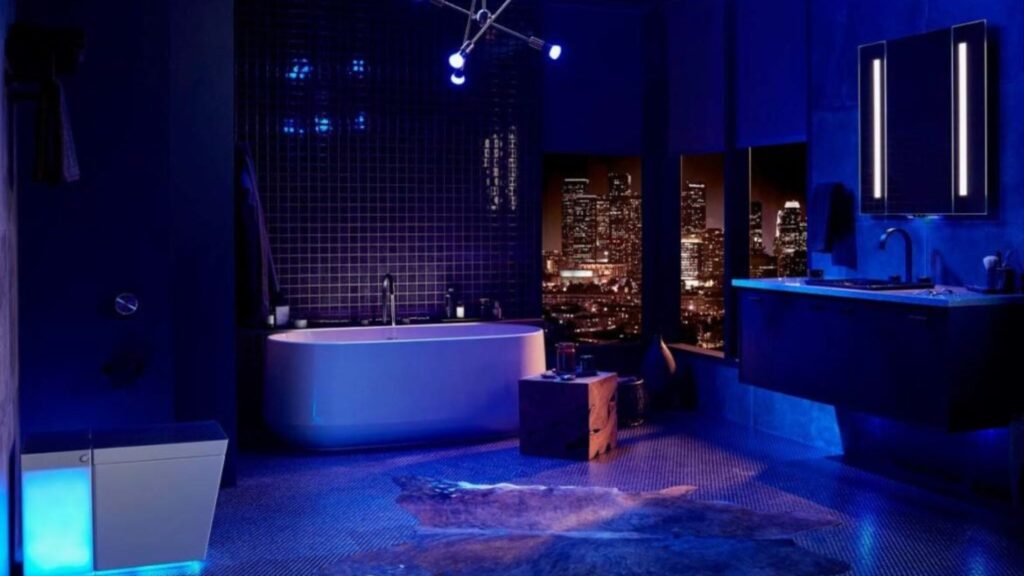
LED lighting uses significantly less energy than traditional incandescent bulbs and lasts much longer. Task lighting around mirrors, combined with softer ambient lighting, creates a comfortable balance without over-lighting the space.
When choosing lighting products, ENERGY STAR–certified options provide added confidence in performance and efficiency. These certifications are backed by rigorous testing standards, such as those outlined in ENERGY STAR lighting efficiency testing programs.
2. Efficient exhaust fans and moisture control
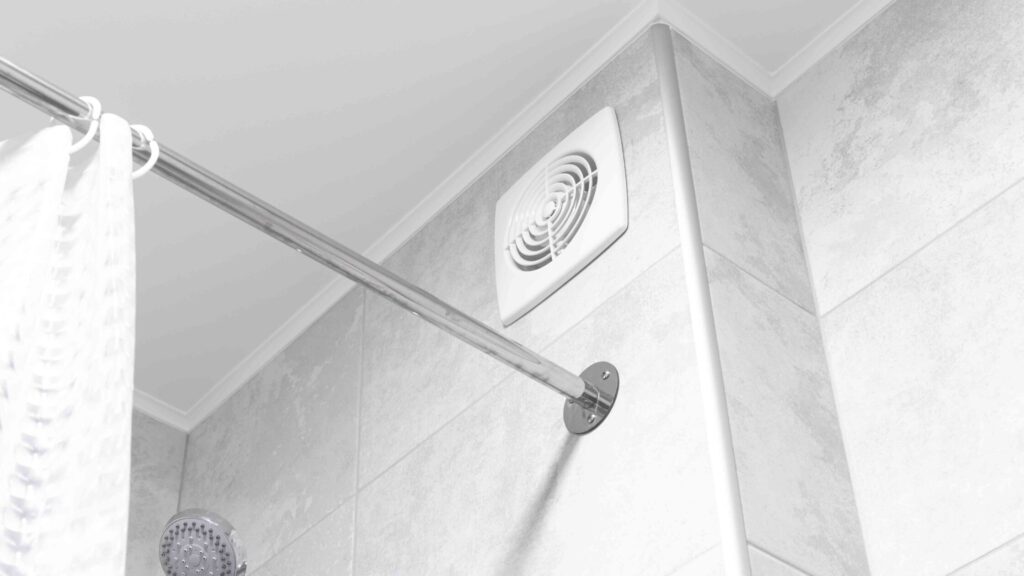
Proper ventilation protects both your health and your investment. High-quality exhaust fans remove moisture quickly, reducing the risk of mold and long-term material damage. ENERGY STAR–rated fans are quieter and use less power, making them easier to run consistently.
Going Beyond Fixtures: Systems That Improve Whole-Bathroom Efficiency
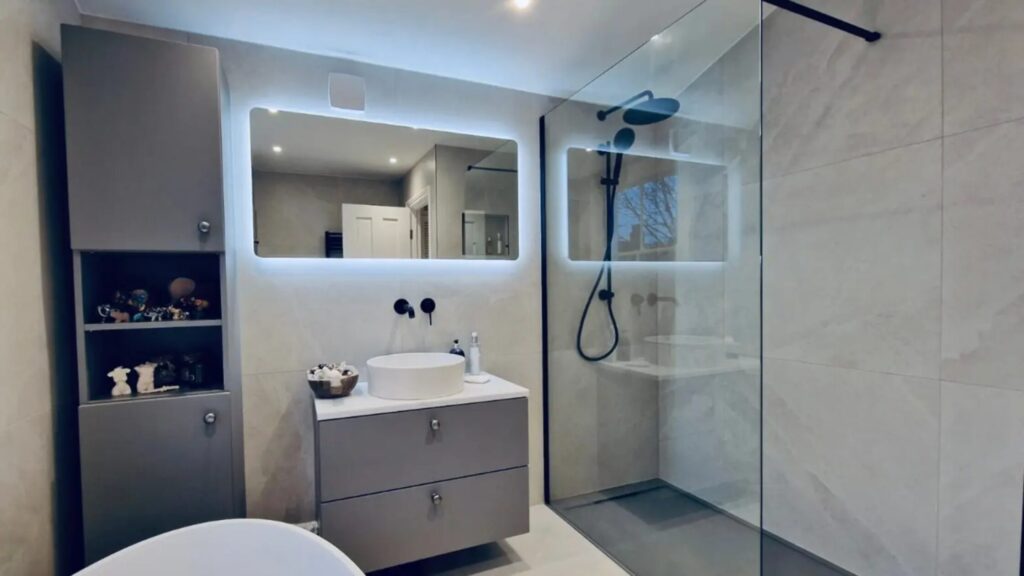
Some sustainability upgrades improve how the entire bathroom functions, not just individual components.
1. Greywater and reuse considerations
In certain residential settings, greywater systems can reuse water from sinks or showers for non-potable purposes like irrigation. These systems aren’t suitable for every home, but discussing them early can help determine what’s possible under local building codes.
2. Smart bathroom technology
Motion-sensor lighting, timers, and programmable controls help reduce unnecessary energy use. These features are especially useful in shared or guest bathrooms where lights and fans are often left running.
Eco-Friendly Bathroom Design Without Sacrificing Style
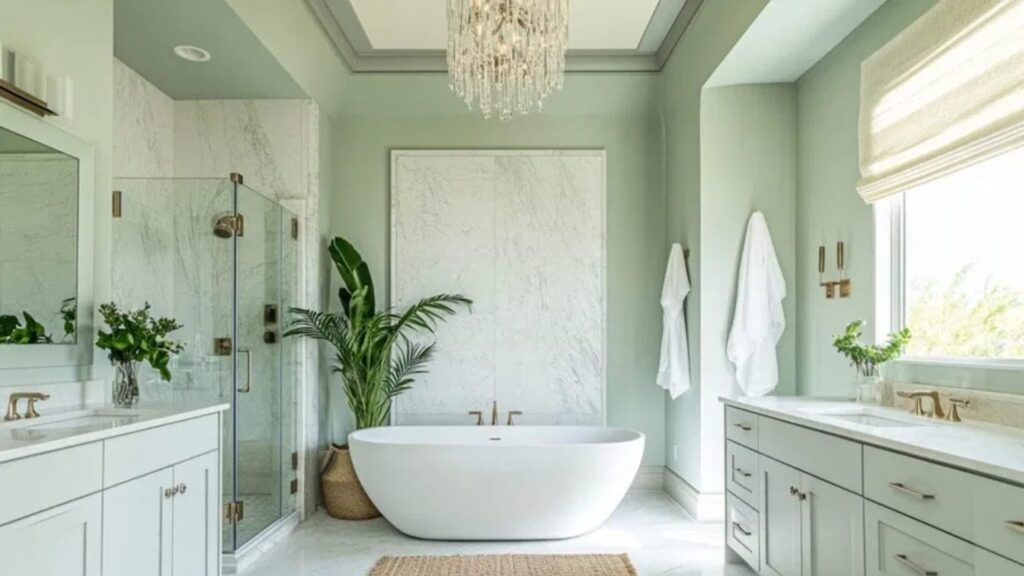
Sustainable bathrooms don’t have to feel clinical or minimal. Many eco-friendly designs focus on simplicity, natural textures, and layouts that reduce material waste.
Minimalist designs often require fewer materials and are easier to clean and maintain. Biophilic elements, such as natural tones and organic finishes, can make bathrooms feel calmer and more inviting.
Choosing finishes that age well also supports sustainability. Durable materials reduce the need for replacements, which lowers long-term waste.
Cost vs Value: Is a Sustainable Bathroom Remodel Worth It?
Some eco-friendly upgrades may have higher upfront costs, but they often pay off over time. Efficient fixtures lower water and energy bills month after month, while durable materials reduce maintenance and replacement costs.
Sustainability can also boost resale value. Many buyers actively look for efficient systems, especially as utility costs continue to rise across the U.S.
How a Professional Contractor Ensures a Truly Green Remodel
Even the best products won’t perform well if they aren’t installed correctly. A professional contractor ensures fixtures are sealed properly, ventilation is effective, and systems work together as intended.
Local codes and permit requirements vary, especially for plumbing and ventilation upgrades. Working with an experienced contractor helps avoid delays, failed inspections, and costly mistakes.
When selecting a contractor, ask about licensing, insurance, material sourcing, and experience with sustainable remodeling practices.
How to Get Started with an Eco-Friendly Bathroom Remodel
Before starting, take stock of your current bathroom. Identify outdated fixtures, note areas of high water or energy use, and decide which upgrades matter most to your household.
For many homeowners, the biggest impact comes from:
- Replacing toilets and shower systems
- Upgrading lighting and ventilation
- Choosing durable, low-impact materials
Starting with these priorities keeps projects focused and manageable.
Conclusion : Building a Bathroom That Works Better for You and the Environment
An eco-friendly bathroom remodel is about making thoughtful choices that improve daily comfort while reducing waste. By focusing on water efficiency, energy savings, durable materials, and proper installation, homeowners can create bathrooms that look great and perform better for years to come.
If you’re considering a bathroom remodel, explore additional resources and services at Best GC.
Contact us today to understand how sustainable design fits into your broader home improvement goals. Careful planning now leads to better results, fewer surprises, and long-term value.