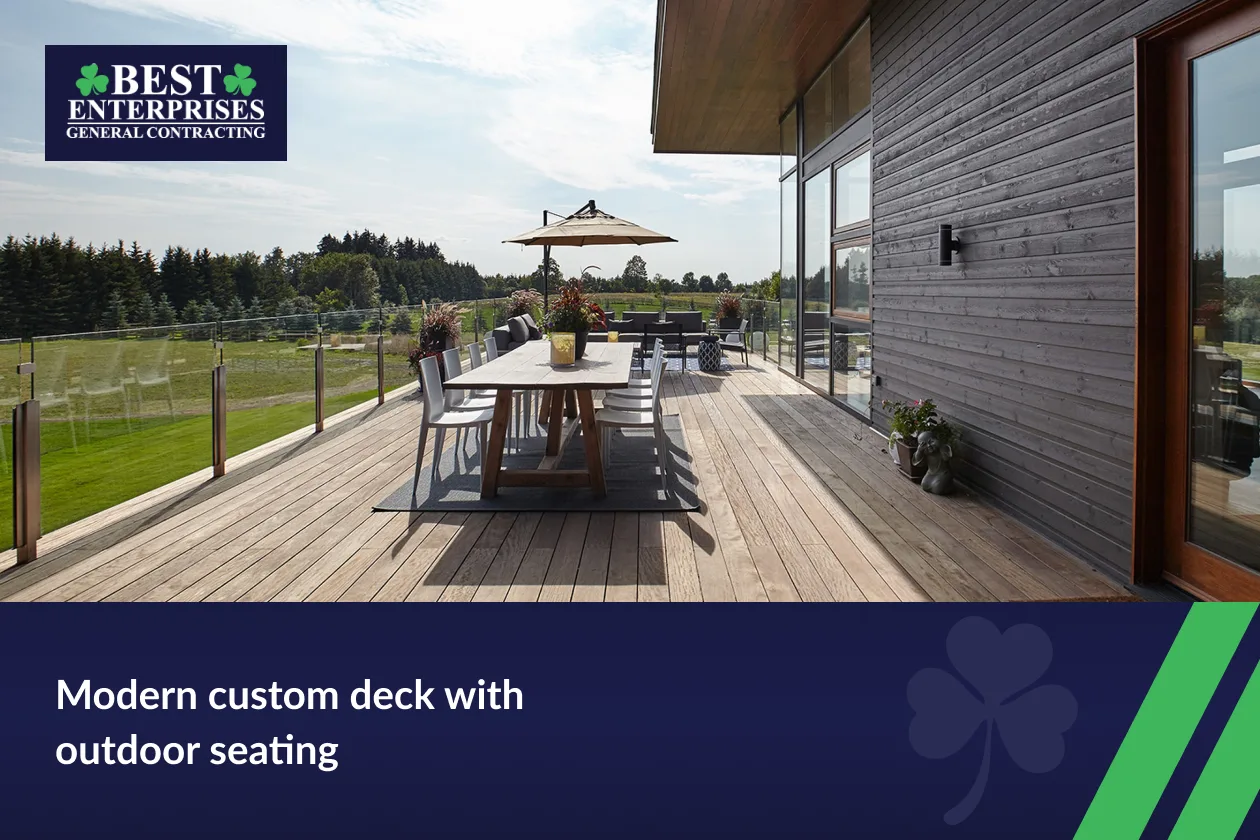
A custom deck design can completely transform your outdoor space into a functional and stylish retreat. Whether you’re working with a spacious backyard or a compact patio, a personalized deck enhances your home’s aesthetic appeal, boosts property value, and extends your living area for entertaining or relaxing.
This guide explores the latest deck design trends, material choices, space-saving solutions, and expert tips to help you create the perfect outdoor oasis.
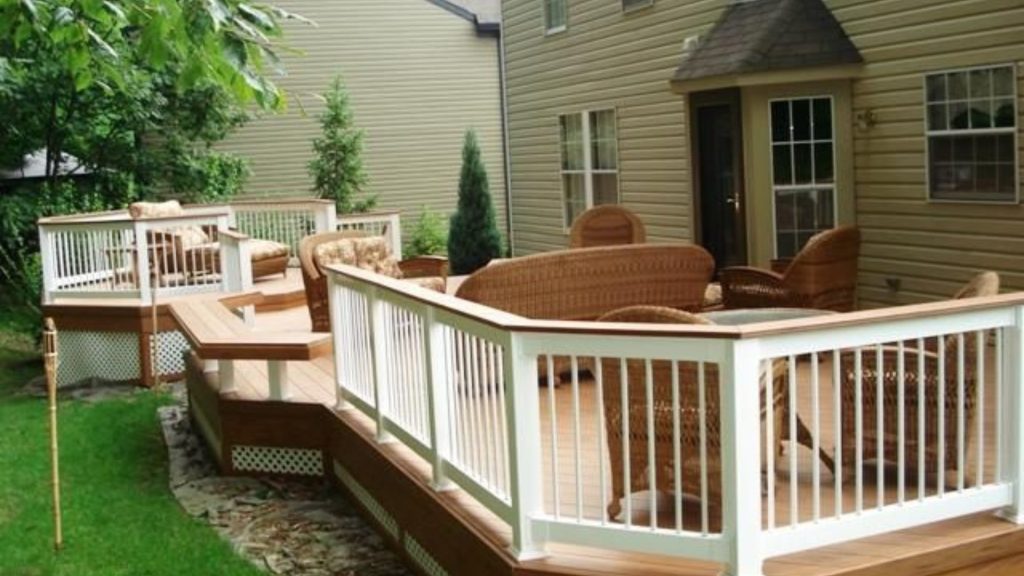 Multi-level and tiered decks are gaining popularity as they maximize space and add visual interest. These designs create distinct zones for dining, lounging, and grilling, enhancing the flow and functionality of your outdoor area. Features like steps, glass railings, and built-in seating maintain an open and inviting feel.
 Homeowners are increasingly opting for sustainable decking materials. Options like thermally modified wood, bamboo decking, and recycled composite decking made from plastic waste and wood fibers offer durability and environmental benefits. These materials are both durable and environmentally friendly.
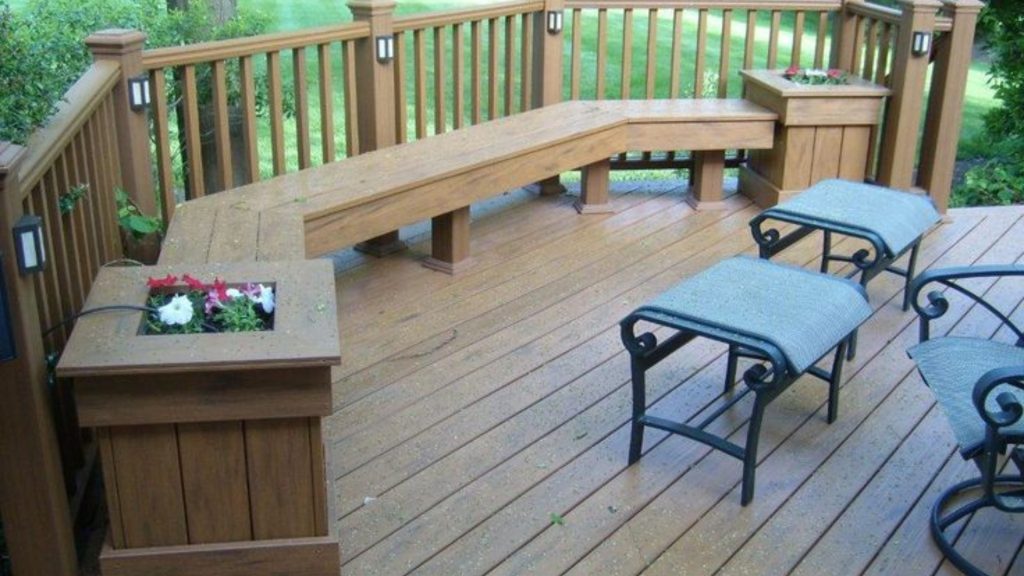 Incorporating built-in seating and storage solutions enhances both the functionality and aesthetics of your deck. Benches with hidden compartments keep the area tidy, while integrated planters add a touch of greenery. These features are especially beneficial for optimizing space in smaller outdoor areas.
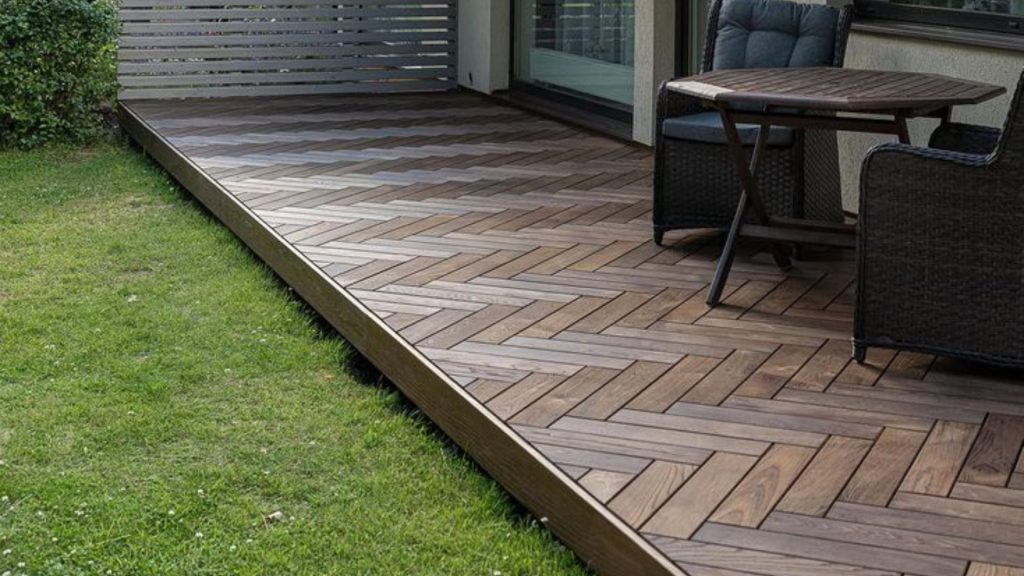 Combining different materials adds depth and texture to modern decks. For example, pairing wood with metal or composite materials creates a unique and contemporary look that stands out while maintaining practicality.
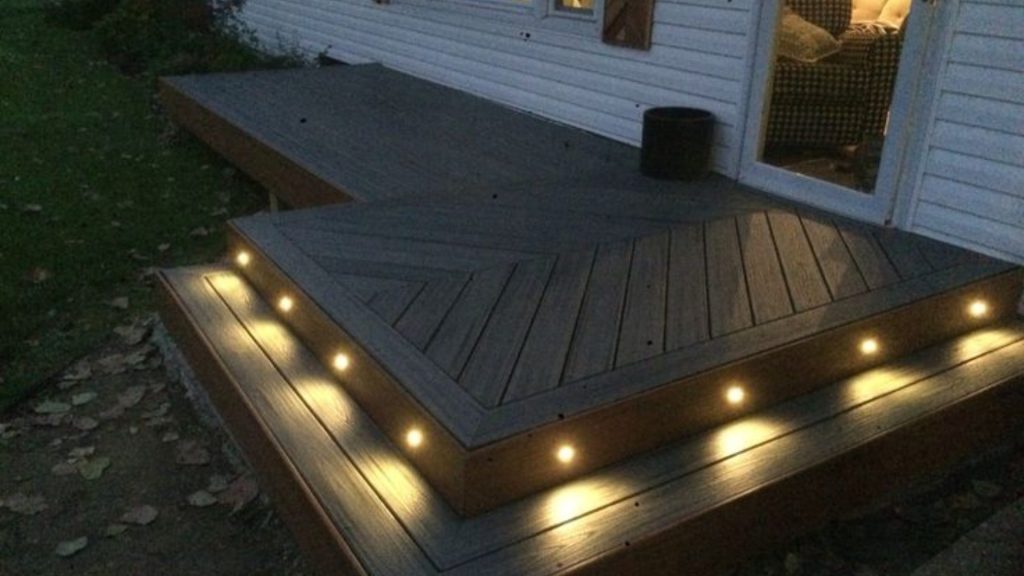 Integrating smart technology into deck design enhances convenience and ambiance. Energy-efficient LED lighting systems, automated pergolas, and heating elements allow for year-round enjoyment of your outdoor space. These features can be controlled via smartphones, adding a modern touch to your deck.
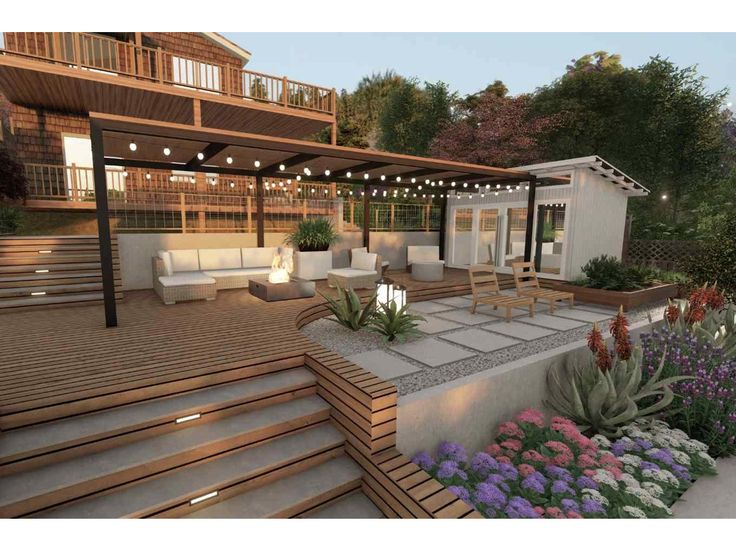 Begin by evaluating your outdoor area’s dimensions, sun exposure, and primary functions be it entertaining, dining, or relaxation. Consider factors like traffic flow, seating arrangements, and proximity to the house to optimize usability.
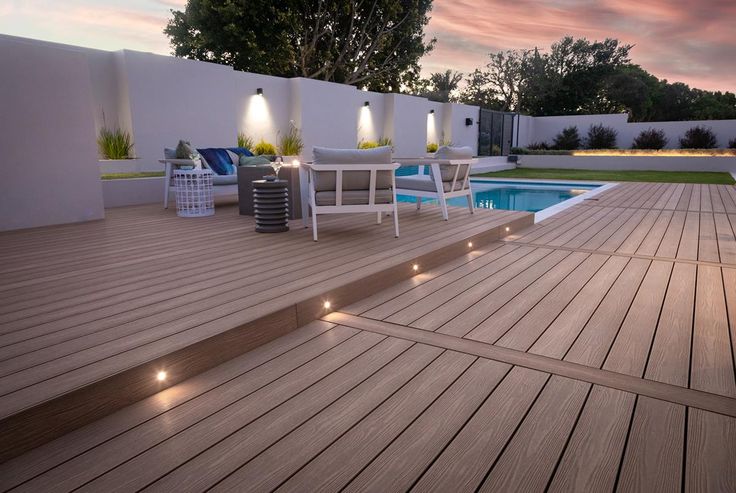 Selecting materials suited to your local climate ensures longevity and reduces maintenance. For instance, composite decking combines recycled plastics with wood fibers, offering a durable and low-maintenance alternative to natural wood. While natural wood decks have a classic appeal, they may require more upkeep compared to composites.
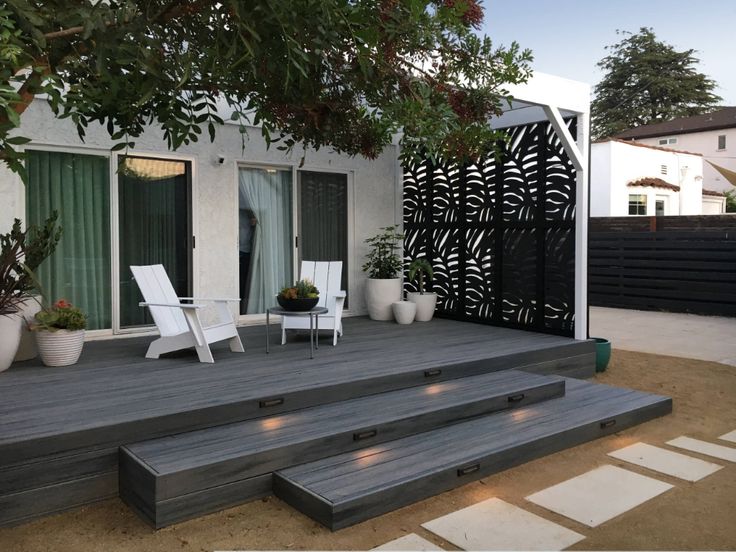 Maximize limited space by incorporating vertical gardens, built-in seating, and foldable furniture. Floating decks can create a modern, open feel, while multi-functional elements like storage benches help utilize every inch effectively.
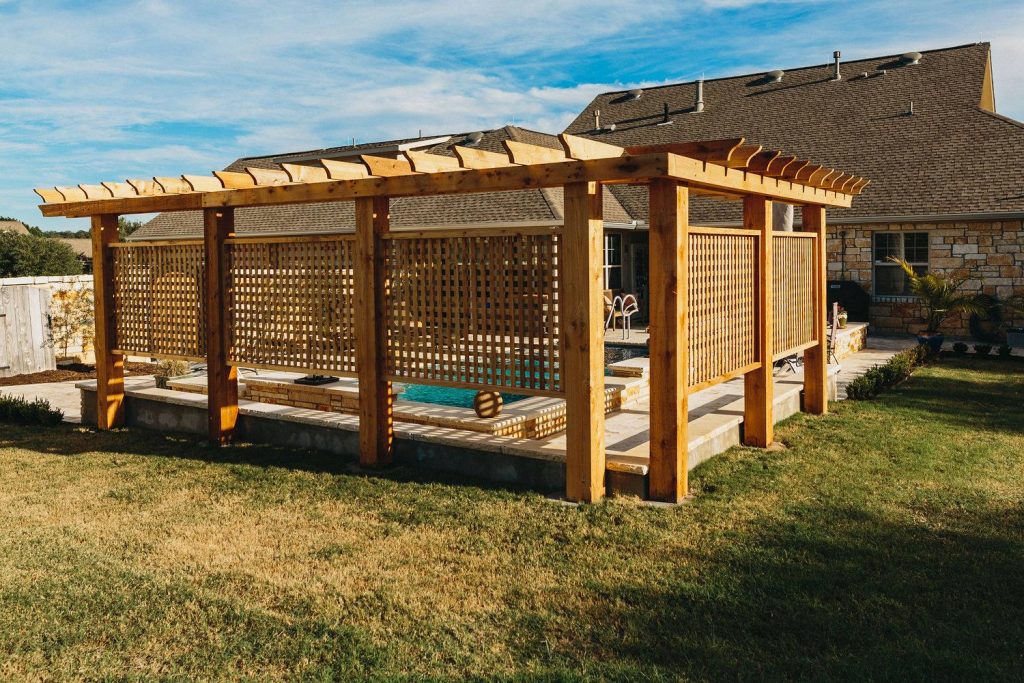 Enhance comfort and seclusion with features like pergolas, lattice panels, privacy screens, or tall greenery. These additions not only offer shade and protection but also contribute to a cozy and stylish outdoor retreat.
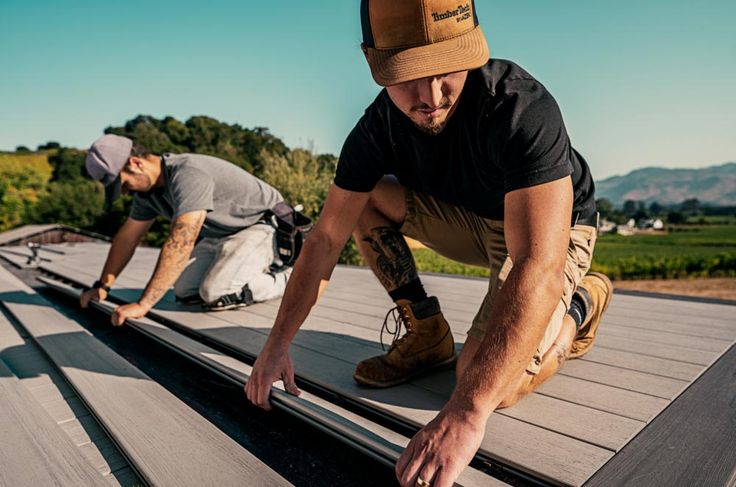 Engaging an experienced contractor ensures safety, adherence to local building codes, and high-quality construction. Companies like Best Enterprises General Contracting offer comprehensive design-to-installation services, delivering customized decks tailored to your preferences.
Essential Custom Deck Design Tips for Homeowners
1. Multi-Level & Tiered Decks
Multi-level and tiered decks are gaining popularity as they maximize space and add visual interest. These designs create distinct zones for dining, lounging, and grilling, enhancing the flow and functionality of your outdoor area. Features like steps, glass railings, and built-in seating maintain an open and inviting feel.
2. Sustainable & Eco-Friendly Materials
Homeowners are increasingly opting for sustainable decking materials. Options like thermally modified wood, bamboo decking, and recycled composite decking made from plastic waste and wood fibers offer durability and environmental benefits. These materials are both durable and environmentally friendly.
3. Built-In Seating & Storage
Incorporating built-in seating and storage solutions enhances both the functionality and aesthetics of your deck. Benches with hidden compartments keep the area tidy, while integrated planters add a touch of greenery. These features are especially beneficial for optimizing space in smaller outdoor areas.
4. Mixed Materials (Wood, Metal & Composite Combos)
Combining different materials adds depth and texture to modern decks. For example, pairing wood with metal or composite materials creates a unique and contemporary look that stands out while maintaining practicality.
5. Smart Deck Features
Integrating smart technology into deck design enhances convenience and ambiance. Energy-efficient LED lighting systems, automated pergolas, and heating elements allow for year-round enjoyment of your outdoor space. These features can be controlled via smartphones, adding a modern touch to your deck.
Custom Deck Design Tips for Homeowners
1. Assess Your Space & Needs
Begin by evaluating your outdoor area’s dimensions, sun exposure, and primary functions be it entertaining, dining, or relaxation. Consider factors like traffic flow, seating arrangements, and proximity to the house to optimize usability.
2. Choose the Right Materials for Your Climate
Selecting materials suited to your local climate ensures longevity and reduces maintenance. For instance, composite decking combines recycled plastics with wood fibers, offering a durable and low-maintenance alternative to natural wood. While natural wood decks have a classic appeal, they may require more upkeep compared to composites.
3. Optimize for Small Spaces
Maximize limited space by incorporating vertical gardens, built-in seating, and foldable furniture. Floating decks can create a modern, open feel, while multi-functional elements like storage benches help utilize every inch effectively.
4. Incorporate Privacy Solutions
Enhance comfort and seclusion with features like pergolas, lattice panels, privacy screens, or tall greenery. These additions not only offer shade and protection but also contribute to a cozy and stylish outdoor retreat.
5. Work with a Professional Contractor
Engaging an experienced contractor ensures safety, adherence to local building codes, and high-quality construction. Companies like Best Enterprises General Contracting offer comprehensive design-to-installation services, delivering customized decks tailored to your preferences.