QUESTIONS? CALL: (631) 651-9524

Best Enterprises General Contracting

Best Enterprises General Contracting

Best Enterprises General Contracting is a full service home improvement contractor.

(631) 651-9524
Email: info@bestenterprisesgc.com

Best Enterprises
370 Larkfield Road East Northport, NY 11731 173 Terry Road Smithtown, NY 11787

Open in Google Maps
  • Home
  • About
  • Services
    • Kitchen and Bathroom Remodeling
    • Masonry and Paving Services
    • Porches & Decks
    • Roofing Contractors
    • Siding Contractors
    • Window Installation
  • Blogs
  • Contact
  • Area Served
    • Syosset
    • Kings Park
    • Huntington Station
    • Hauppauge
    • Dix Hills
    • Commack
    • Centerport
  • Recent Projects
FREEESTIMATE
  • Home
  • Posts tagged "brick vs stone masonry"
January 31, 2026

Tag: brick vs stone masonry

Brick vs Stone Masonry: Which is Better for Your Home?

Friday, 30 January 2026 by BeeSeen Solutions
Brick vs stone masonry for home exterior walls

Summary

  • Brick and stone masonry both offer long-term durability, but brick is more budget-friendly while stone delivers a premium, high-end appearance.
  • Brick masonry provides uniform design, easier installation, and predictable costs, making it ideal for full exterior walls and classic home styles.
  • Stone masonry stands out for its natural beauty and weather resistance, especially in harsh climates, though it typically comes with higher material and labor costs.
  • Maintenance needs differ—brick mainly requires occasional mortar repointing, while stone may need sealing and specialized care depending on the stone type.
  • The best choice depends on your priorities, including budget, climate, desired aesthetics, and long-term home value—many homeowners successfully combine both materials for balanced results.

Choosing between brick and stone masonry can feel overwhelming. Both materials look great, both last for decades, and both come with different price points and maintenance needs. Many homeowners struggle because the right choice is not only about appearance. It also affects durability, long-term upkeep, energy efficiency, and resale value.

This guide breaks down the real differences between brick vs stone masonry. You will learn how each material performs in US climates, what installation and maintenance look like, how costs compare, and which option works best for different parts of your home. By the end, you should feel confident about selecting the masonry solution that fits your home and budget.

Understanding the Basics of Masonry Materials

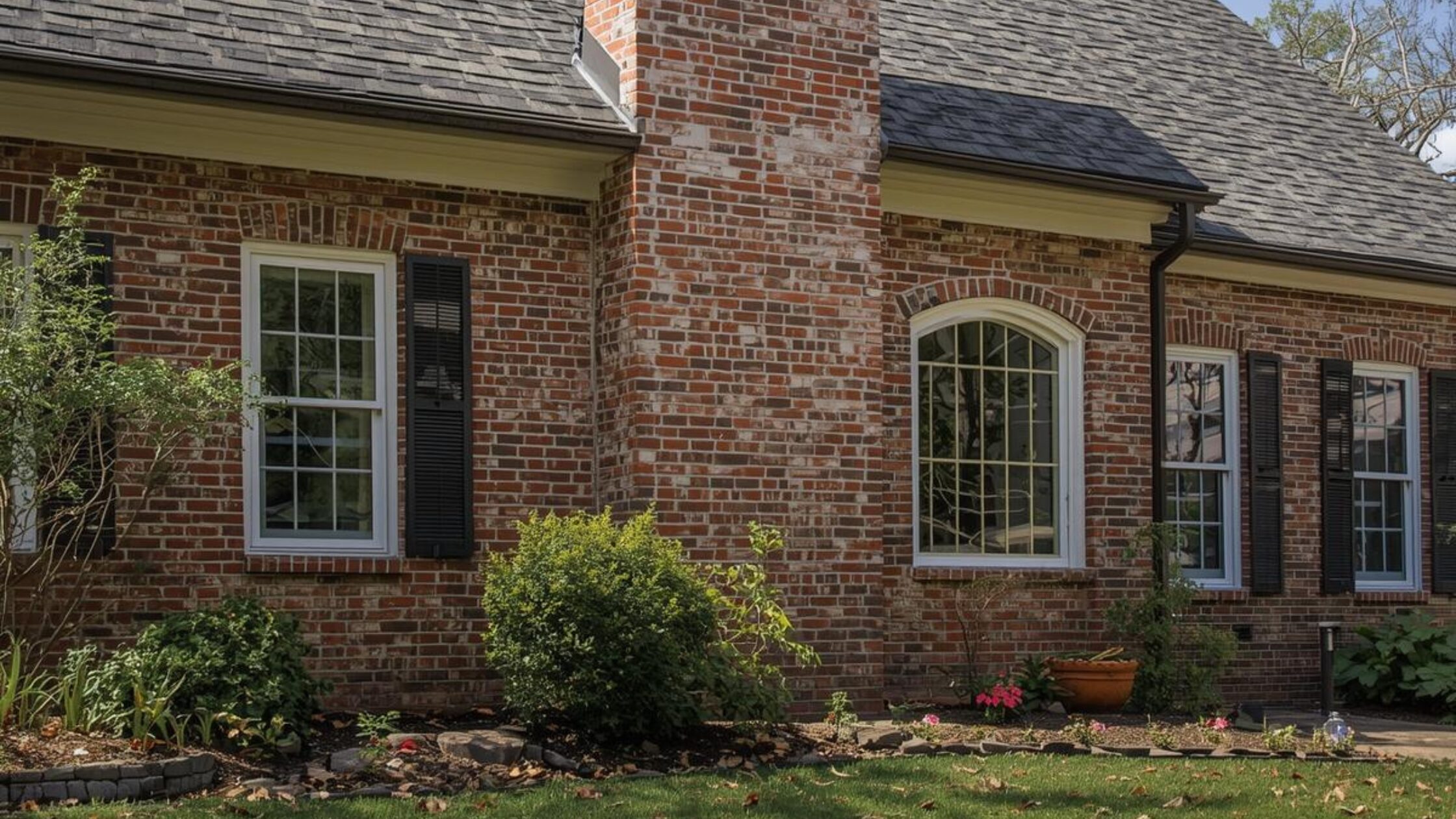
What is Brick Masonry?

1.1 - Brick Masonry

Brick masonry uses kiln-fired clay or shale bricks bonded together with mortar. According to the Brick Industry Association, fired clay bricks are engineered to provide long-term durability, fire resistance, and structural stability in residential construction.

One major advantage of brick masonry is uniform sizing. Because bricks come in standard dimensions, installers can create straight lines and predictable structural patterns. Color consistency also makes it easier to match repairs or additions later.

In US residential construction, brick masonry commonly appears in:

  • Exterior home facades
  • Chimneys and fireplaces
  • Walkways and patios
  • Garden and privacy walls

Homeowners often choose brick because it balances affordability, durability, and classic curb appeal.

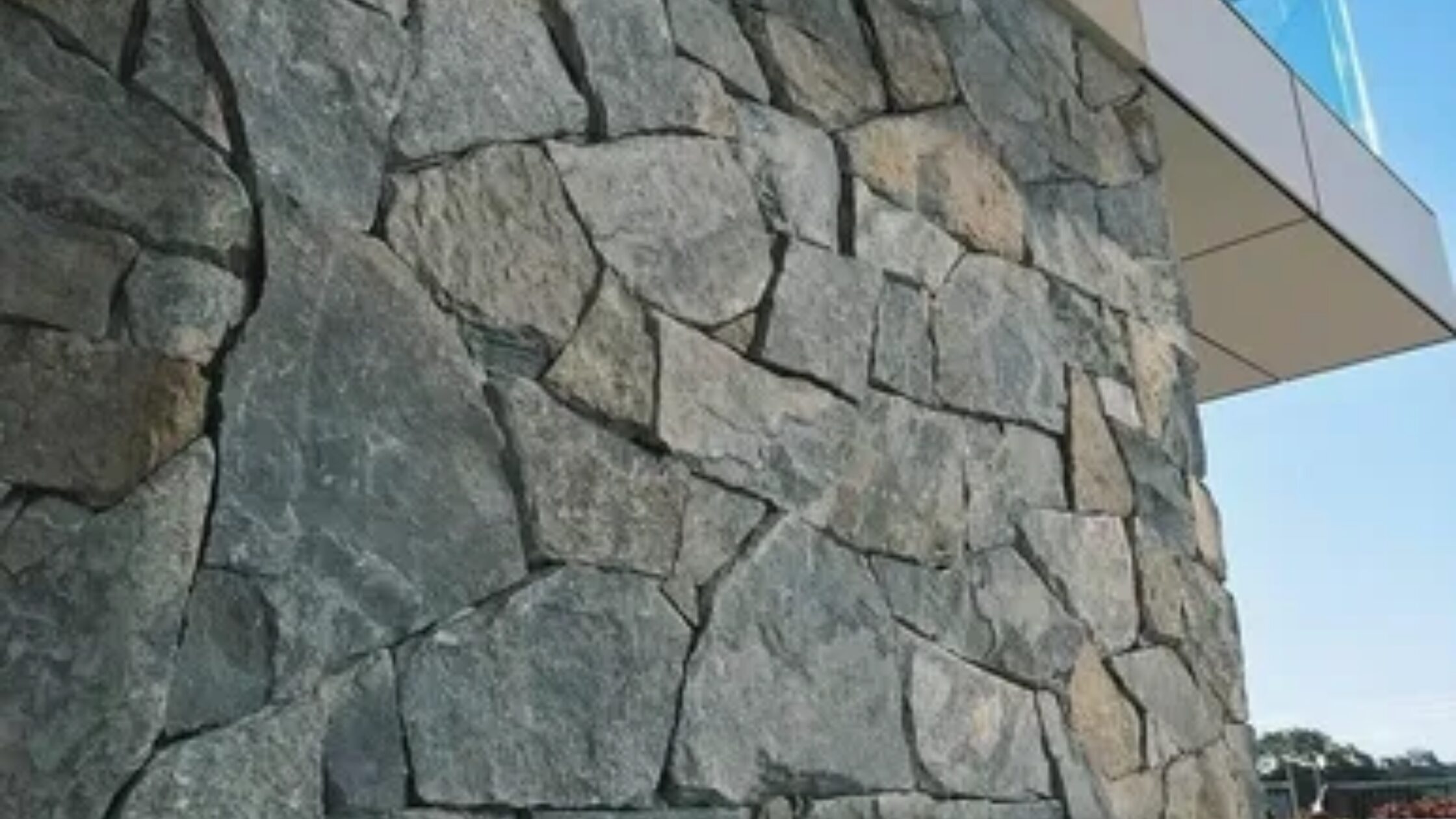
What is Stone Masonry?

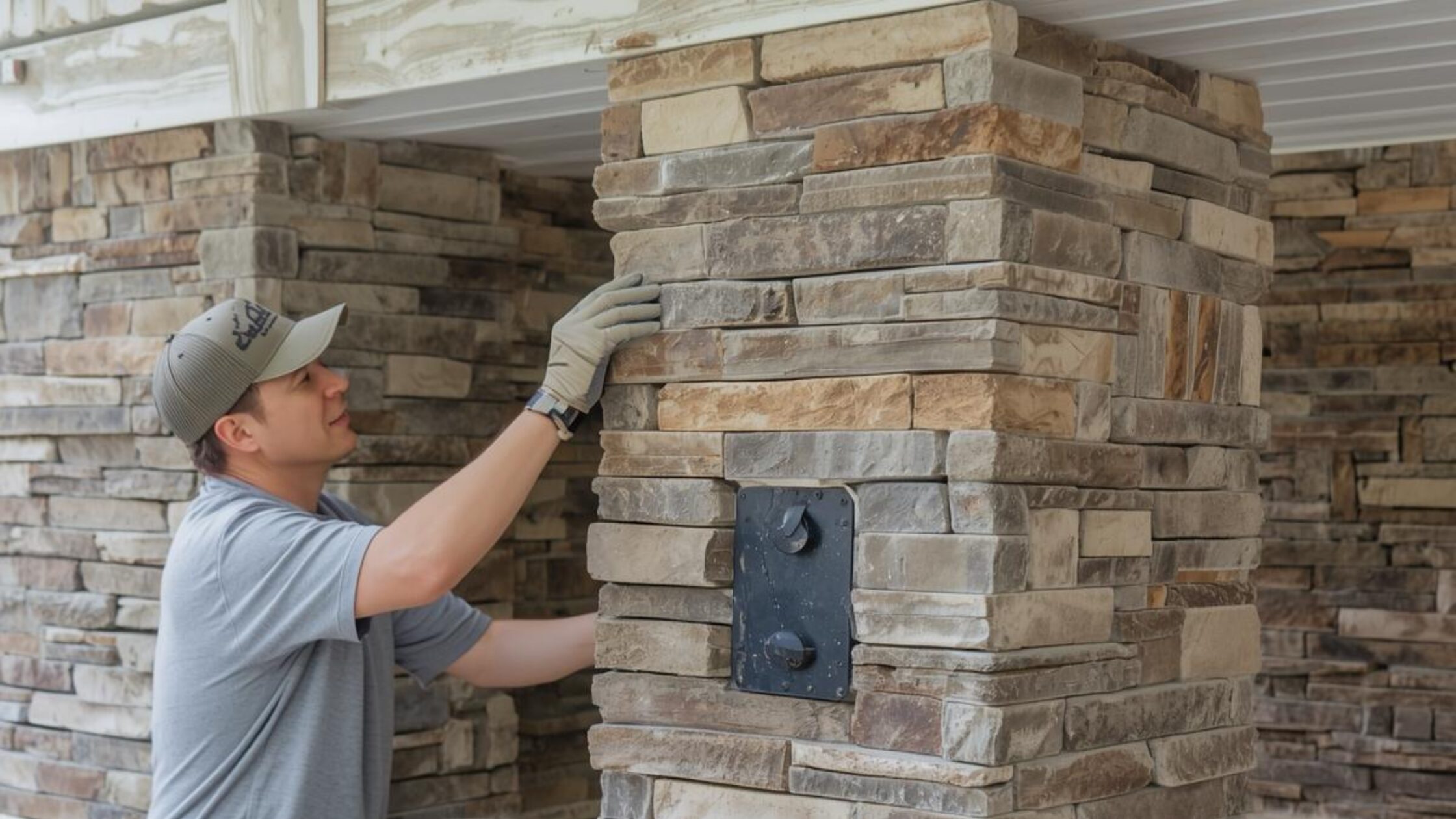
Stone masonry using natural stone for exterior construction

Stone masonry uses either natural stone or manufactured stone veneer. Natural stone includes materials such as limestone, granite, and fieldstone. The Natural Stone Institute highlights that stone offers exceptional durability and weather resistance when properly installed.

Stone masonry is frequently used for:

  • Front-facing exterior accents
  • Fireplace surrounds
  • Retaining walls and landscaping features
  • Foundation cladding

Stone stands out for its organic appearance and premium look. Each piece varies in texture and color, which creates a unique finish that many homeowners prefer.

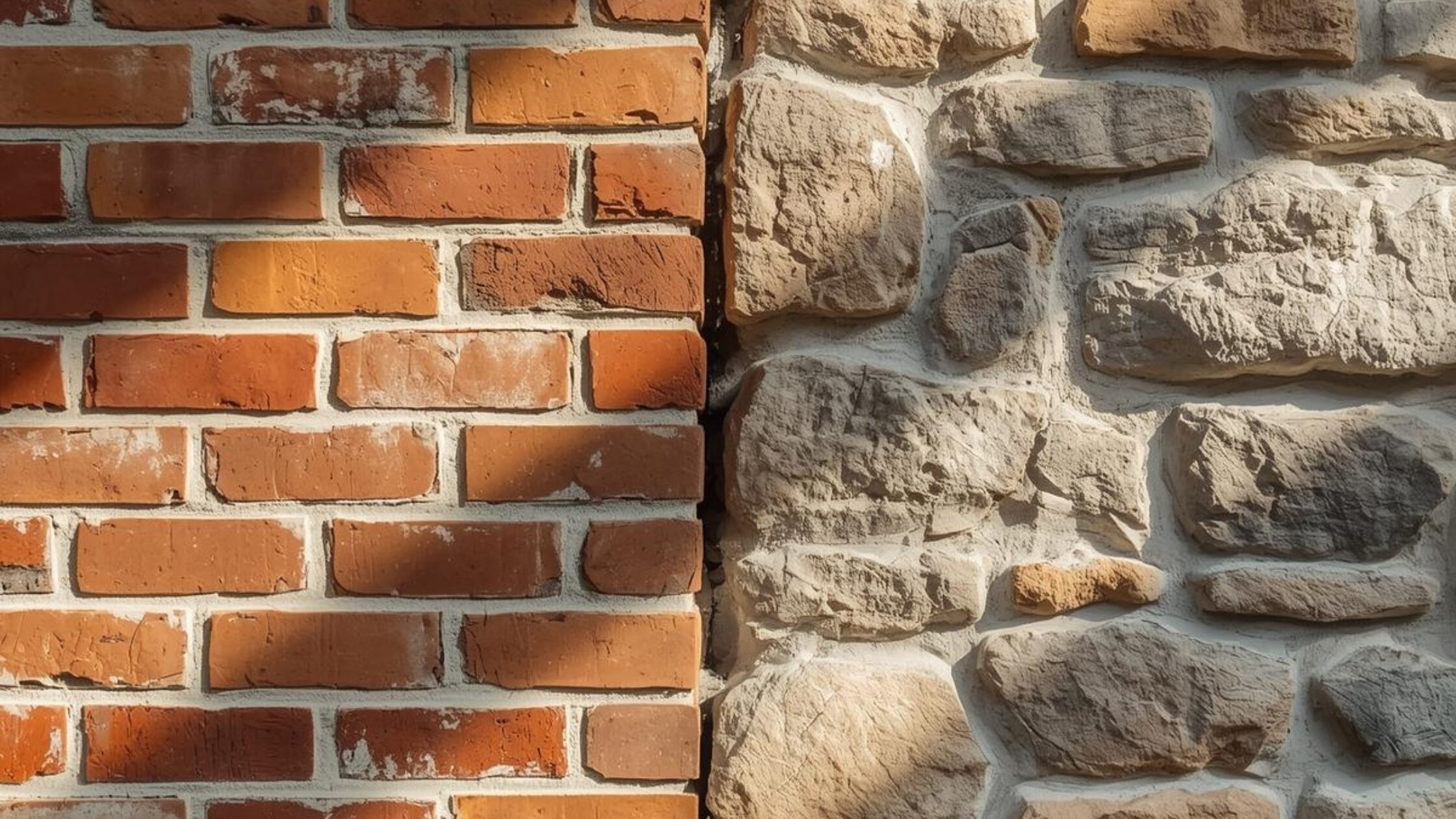
Brick vs Stone Masonry: Key Differences at a Glance

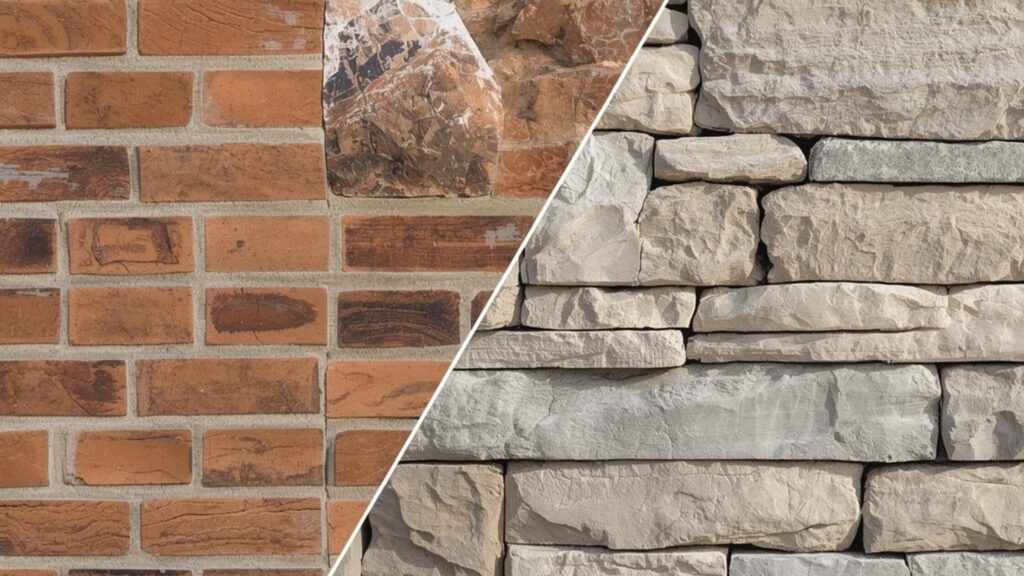
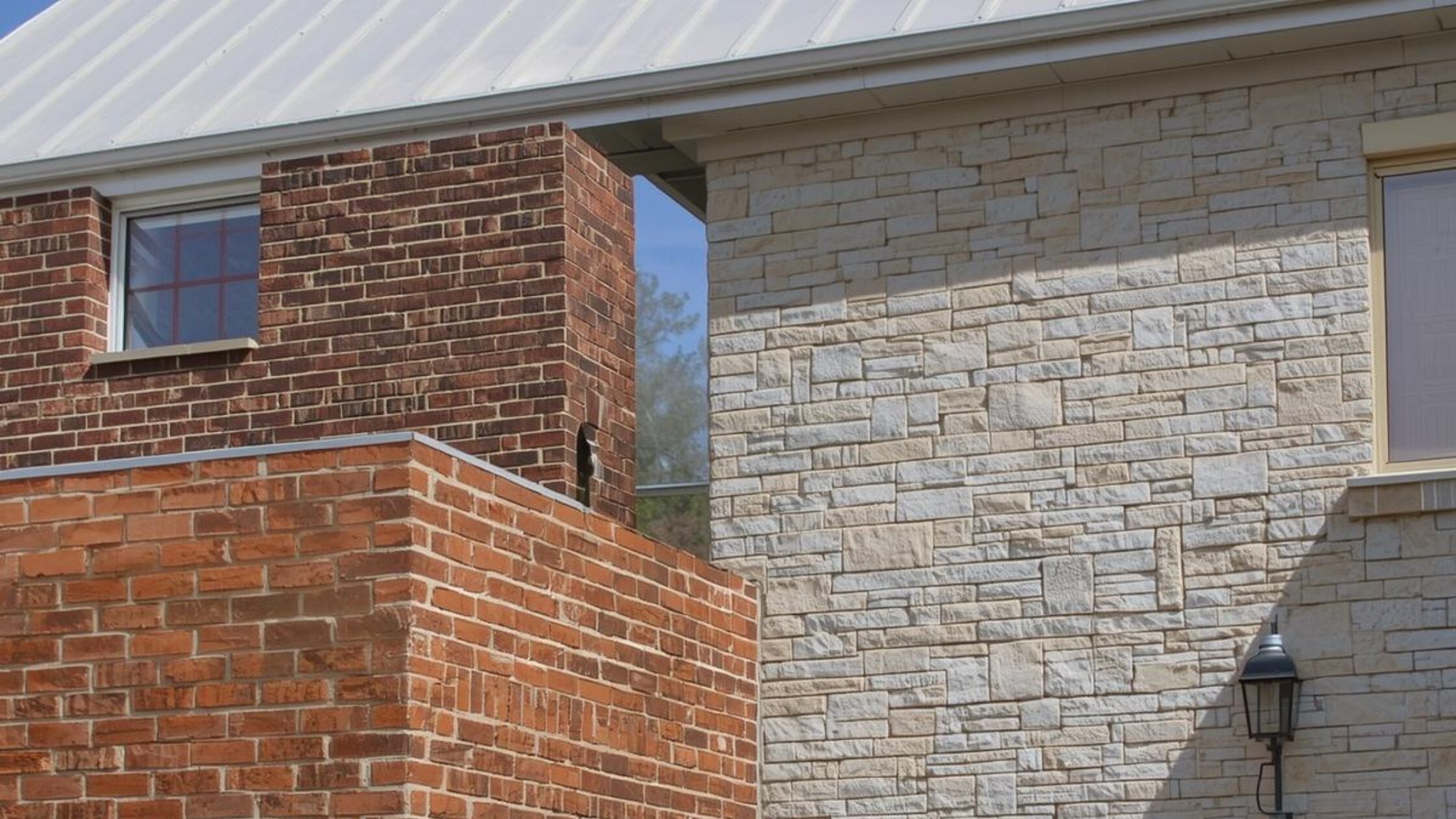
Brick vs stone masonry comparison for exterior construction

1. Material Composition

  • Brick Masonry uses kiln-fired clay or shale bricks with uniform shape and size, ensuring consistency.
  • Stone Masonry features natural stone or manufactured stone veneer, offering irregular shapes and organic character.

2. Appearance & Aesthetic Appeal

  • Brick Masonry delivers a clean, consistent look ideal for structured and symmetrical designs.
  • Stone Masonry provides rich texture and natural color variations, creating a distinctive, upscale appearance.

3. Installation Complexity

  • Brick Masonry is faster and more straightforward to install due to standardized brick dimensions.
  • Stone Masonry requires precise fitting and craftsmanship, making installation more complex.

4. Labor Skill Requirements

  • Brick Masonry typically requires a moderate skill level, suitable for most residential builds.
  • Stone Masonry demands experienced masons for accurate cutting, placement, and alignment.

5. Structural Applications

  • Brick Masonry is commonly used for full-load-bearing exterior walls.
  • Stone Masonry is primarily used as veneer, façade accents, or decorative architectural elements.

6. Weight & Structural Load

  • Brick Masonry is relatively lightweight and easier to support structurally.
  • Stone Masonry is significantly heavier, often requiring additional reinforcement.

7. Maintenance & Durability

  • Brick Masonry requires minimal upkeep, with occasional mortar repointing over time.
  • Stone Masonry may need sealing and specialized cleaning depending on the stone type.

8. Cost Considerations

  • Brick Masonry is generally more affordable and budget-friendly.
  • Stone Masonry involves higher upfront costs, particularly when using natural stone.

9. Design Flexibility

  • Brick Masonry suits both traditional and modern designs with a uniform finish.
  • Stone Masonry excels in custom, luxury, and statement architectural designs.

10. Ideal Choice For

  • Brick Masonry: Homeowners seeking durability, consistency, and cost control.
  • Stone Masonry: Homeowners prioritizing visual impact, uniqueness, and premium curb appeal.


If you value uniform design, predictable installation, and cost control, brick masonry is often the better fit. If you want a one-of-a-kind exterior appearance with strong visual depth, stone masonry delivers standout curb appeal.

Durability and Longevity in US Climates

1. How Brick Performs Over Time

Brick masonry durability and long-term performance

Brick masonry resists fire, pests, and general wear. Properly installed brick can last more than 100 years with routine maintenance. Mortar joints usually need repointing every few decades to maintain strength and prevent moisture entry.

In colder regions, brick performance depends heavily on moisture control. When water enters brick pores and freezes, it can expand and cause surface damage known as spalling. Good drainage systems, flashing, and proper installation reduce this risk significantly.

2. How Stone Holds Up Long-Term

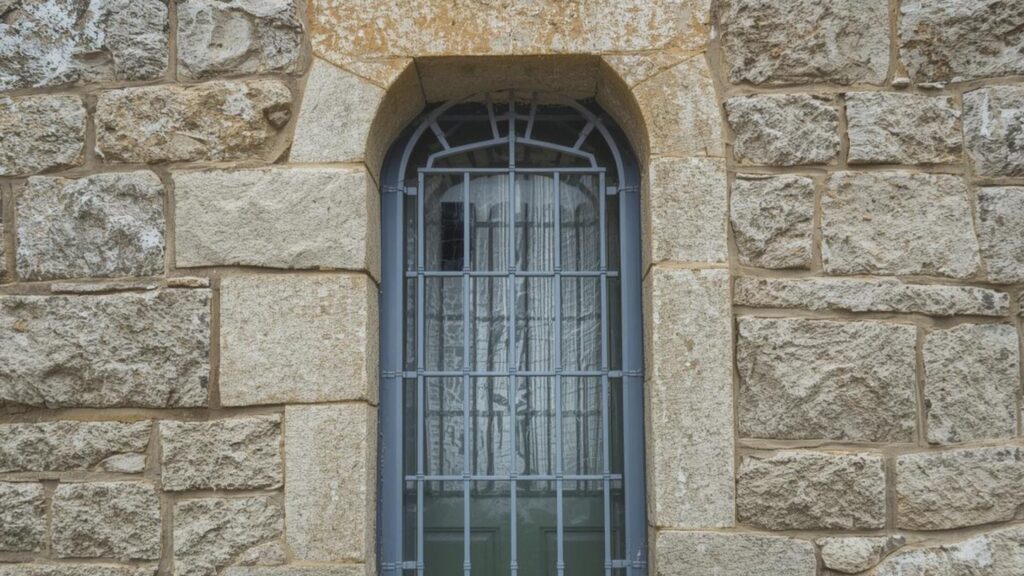
Stone masonry longevity and weather resistance

Stone masonry often outperforms brick in harsh environments. Dense stones such as granite absorb less water and handle freeze-thaw cycles better. Many historic buildings built from stone remain structurally sound after centuries of exposure.

Some stone types benefit from sealing to protect against staining and moisture. When maintained properly, stone masonry offers exceptional longevity and weather resistance.

Cost Breakdown: Brick vs Stone Masonry

Brick and stone masonry material cost comparison

1. Upfront Costs

Brick generally costs less than stone for residential projects. Brick materials cost less to source and transport, and uniform sizing speeds up installation. This keeps labor expenses more predictable.

Stone masonry usually requires higher investment. Natural stone costs more per square foot and installation takes longer due to cutting, fitting, and reinforcement needs. Manufactured stone veneer can reduce cost but still requires skilled labor.

2. Long-Term Costs

Maintenance plays a major role in total ownership cost.

Brick maintenance often includes:

  • Mortar repointing every 25 to 50 years
  • Occasional cleaning
  • Minor crack repairs

Stone maintenance may include:

  • Sealing for moisture protection
  • Surface cleaning
  • Higher repair costs if matching natural stone becomes difficult

Over decades, brick tends to remain more budget-friendly. Stone delivers premium aesthetics and long service life, which appeals to homeowners focused on long-term property value.

Maintenance and Repair: What Homeowners Should Expect

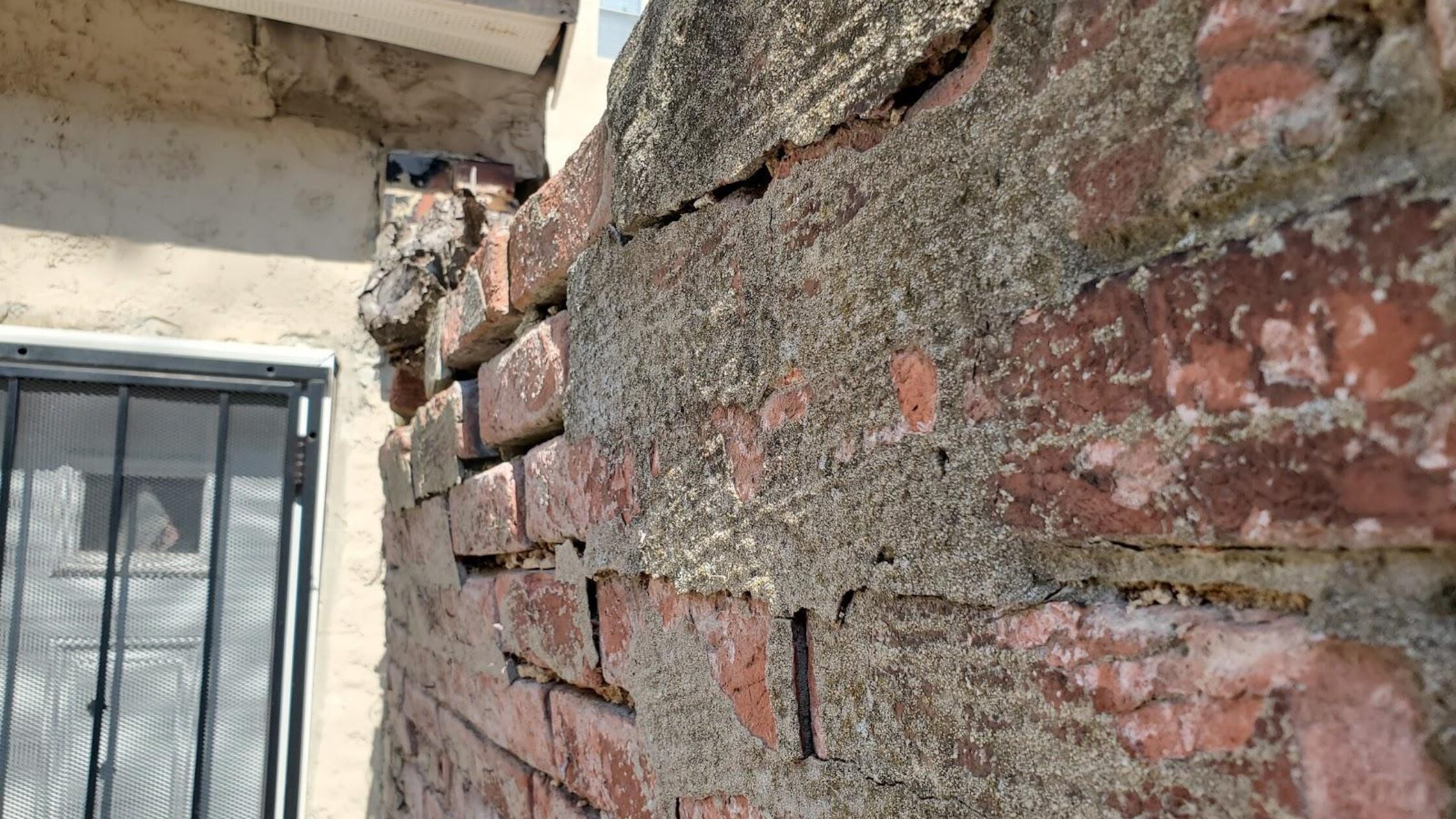
1. Brick Maintenance Needs

Brick masonry maintenance and mortar joint care

Brick requires minimal upkeep when installed correctly. Homeowners should monitor mortar joints, address cracks early, and clean surfaces using gentle methods. Avoid harsh chemicals or high-pressure washing, which can damage brick surfaces.

2. Stone Maintenance Needs

Stone masonry maintenance and surface sealing

Stone maintenance depends on stone type. Some stones require sealing to prevent moisture absorption and staining. Repairs can become more complex if replacement stones must match the original material and finish.

Both materials benefit from routine inspections, especially after extreme weather.

Energy Efficiency and Comfort

Brick and stone masonry thermal mass for energy efficiency

Brick and stone both provide thermal mass benefits. Thermal mass allows masonry to absorb heat during warm periods and release it slowly when temperatures drop.

For homeowners, this can mean:

  • More stable indoor temperatures
  • Reduced strain on HVAC systems
  • Improved comfort during seasonal changes

While masonry alone does not replace insulation, it supports energy-efficient wall systems when combined with proper insulation and ventilation.

Curb Appeal, Style, and Home Value

Brick and stone masonry enhancing curb appeal and home value

Brick delivers timeless appeal. It works well with traditional, colonial, craftsman, and modern home styles. Brick colors and patterns allow homeowners to customize design without losing consistency.

Stone creates a bold visual statement. Many homeowners associate stone with luxury construction and upscale architecture. Stone accents around entryways and fireplaces often increase perceived home value.

Neighborhood design trends and regional preferences should guide material selection. Matching your home’s style to surrounding properties improves resale appeal.

Best Uses: Where Each Material Works Best

1. Brick vs Stone for Exterior Walls

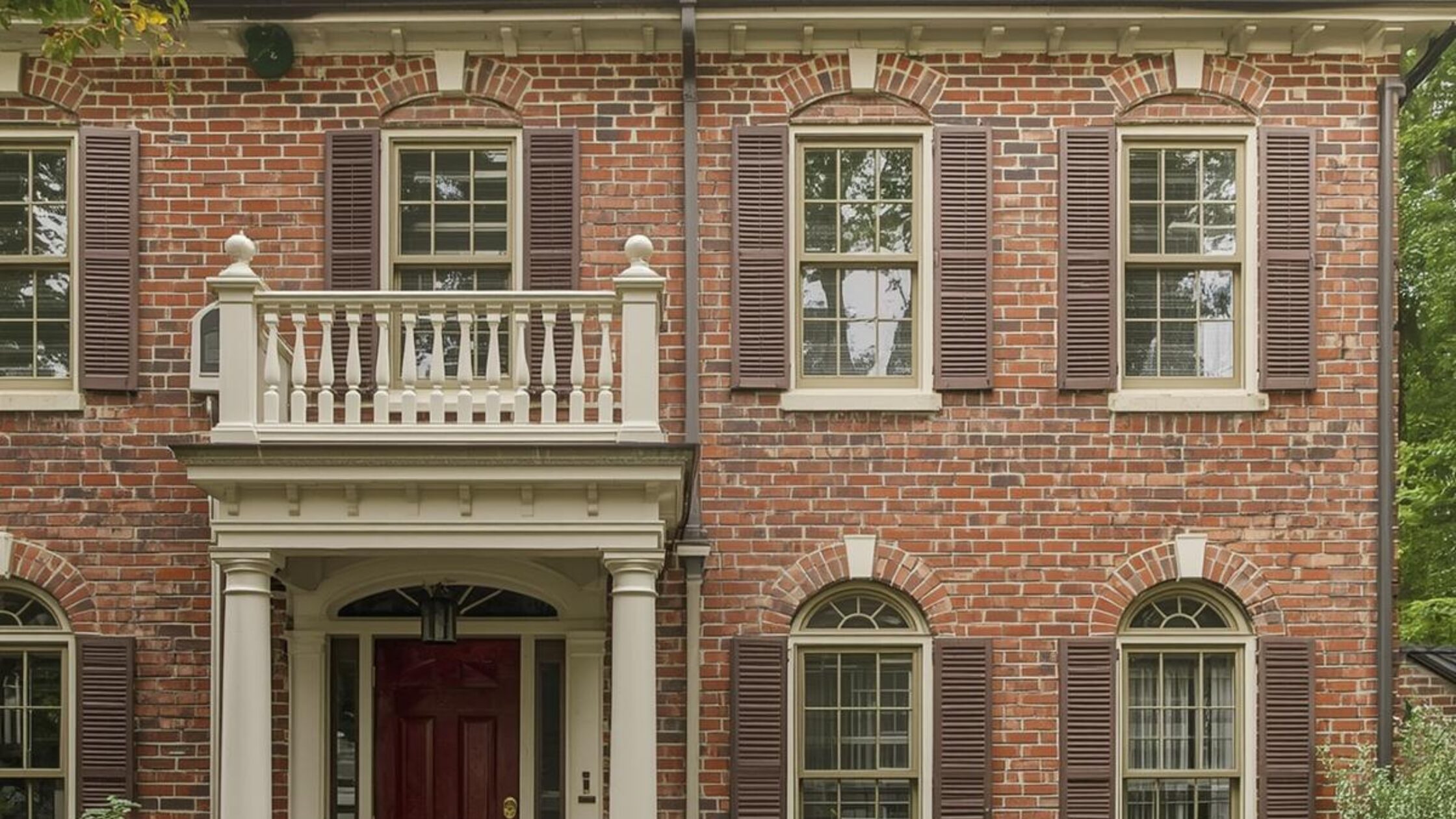
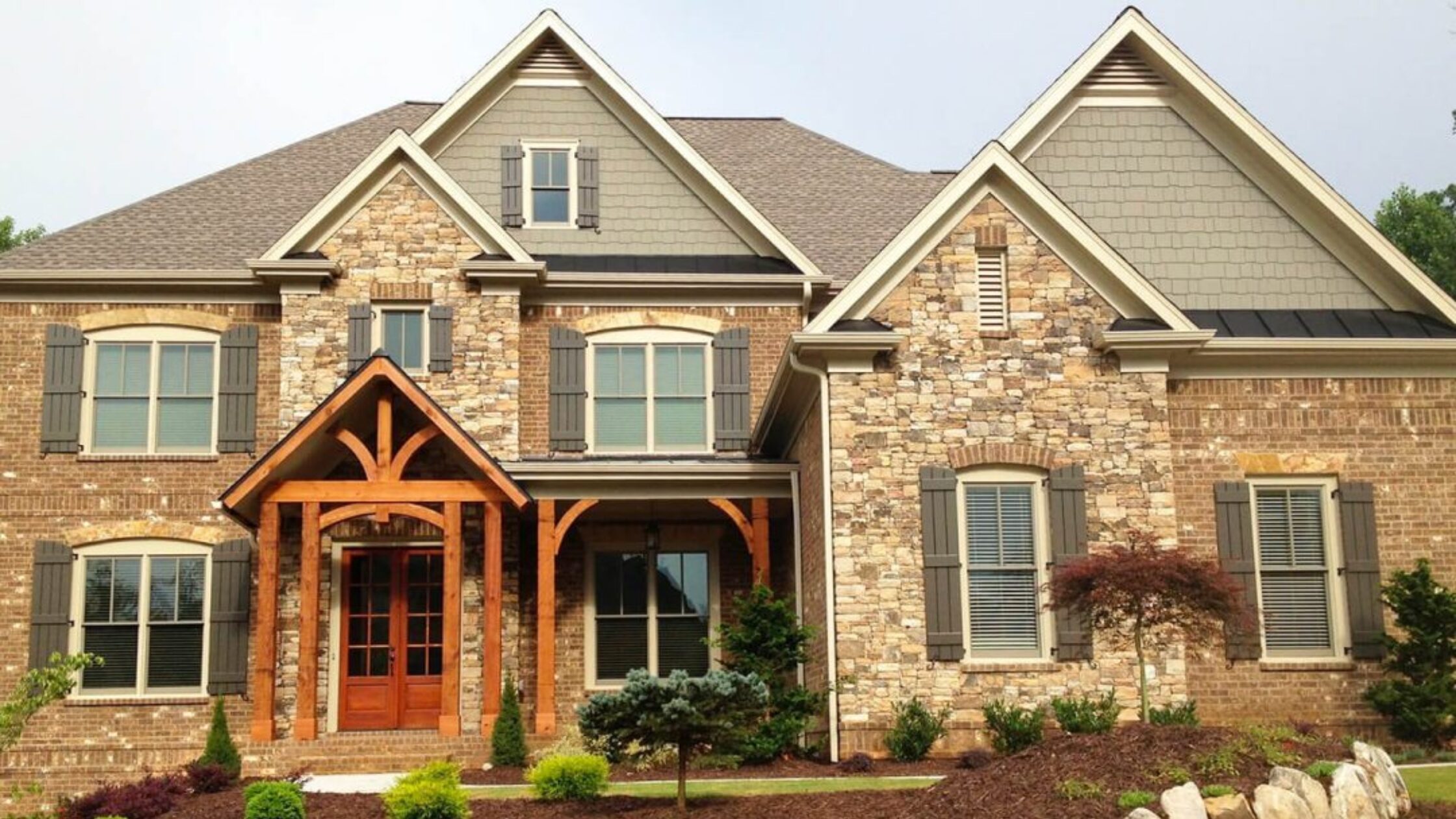
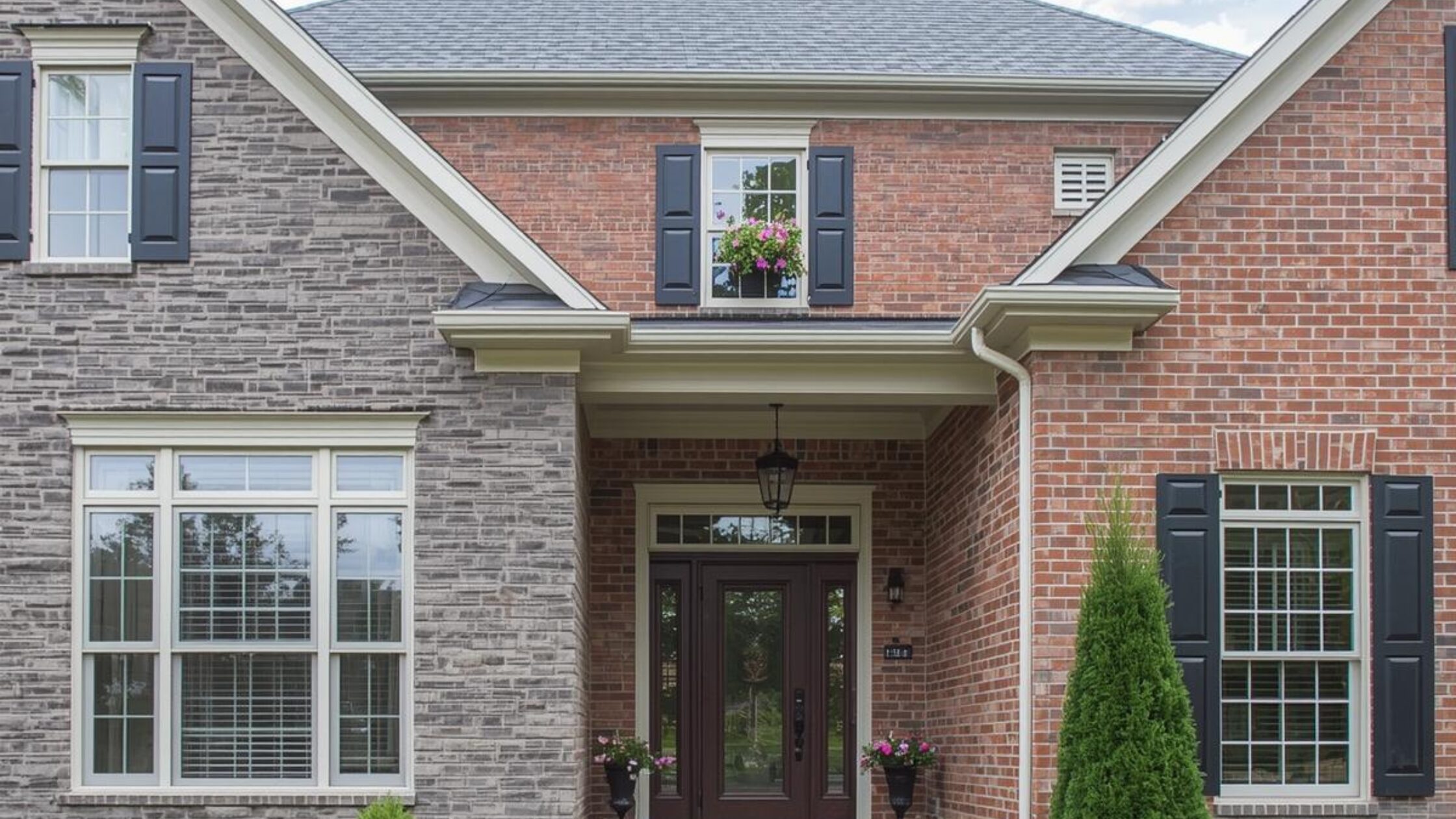
Brick vs stone masonry for exterior walls

Brick is a popular choice for full exterior walls thanks to its excellent structural strength, uniform appearance, and cost efficiency. Stone, while highly durable, is more commonly used as a decorative veneer or accent cladding rather than a full structural wall due to higher material and installation costs.

2. Brick vs Stone for Chimneys and Fireplaces

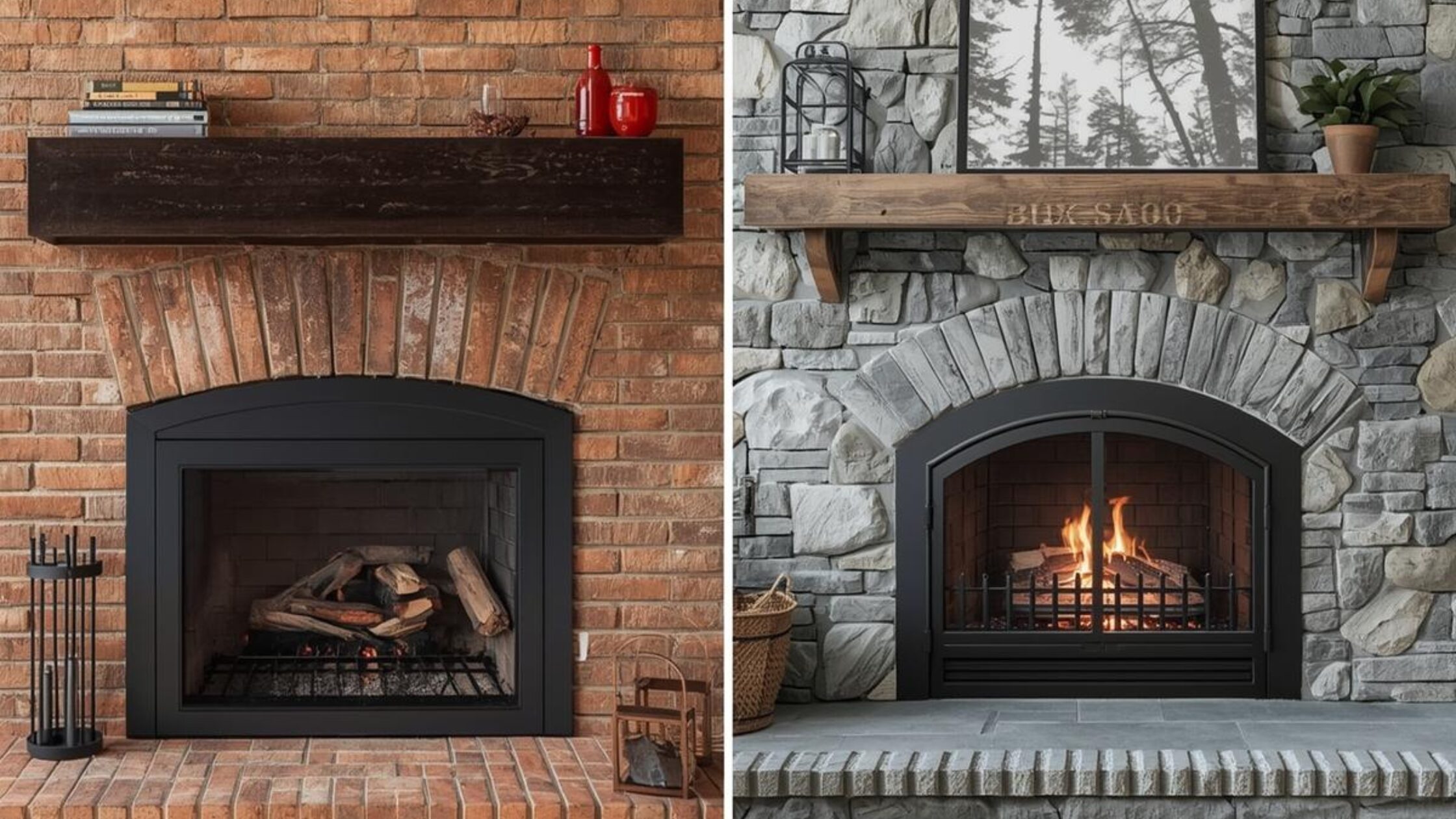
Brick and stone masonry for chimneys and fireplaces

Both brick and stone perform exceptionally well in high-heat environments. Brick offers a timeless, traditional look that blends seamlessly with many home styles, while stone creates a bold, eye-catching focal point that adds natural elegance to interior and exterior fireplaces.

3. Brick vs Stone for Patios and Walkways Needs

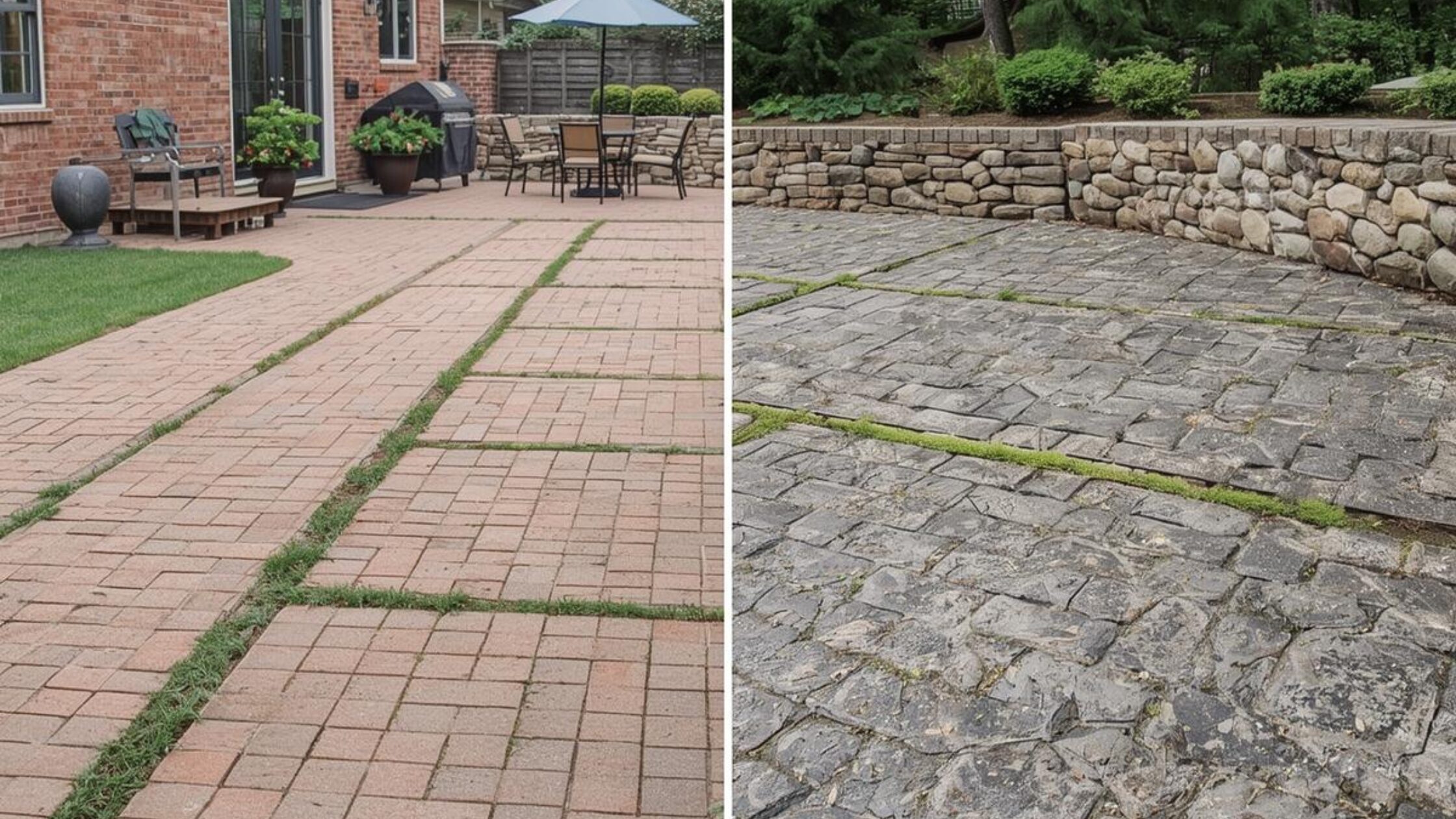
Brick vs stone pavers for patios and walkways

Brick pavers provide a smooth, uniform surface that is easy to install, repair, and maintain over time. Stone, on the other hand, delivers a more natural texture and organic layout, making it ideal for creating rustic or custom outdoor living spaces.

4. Brick vs Stone for Retaining Walls and Foundations

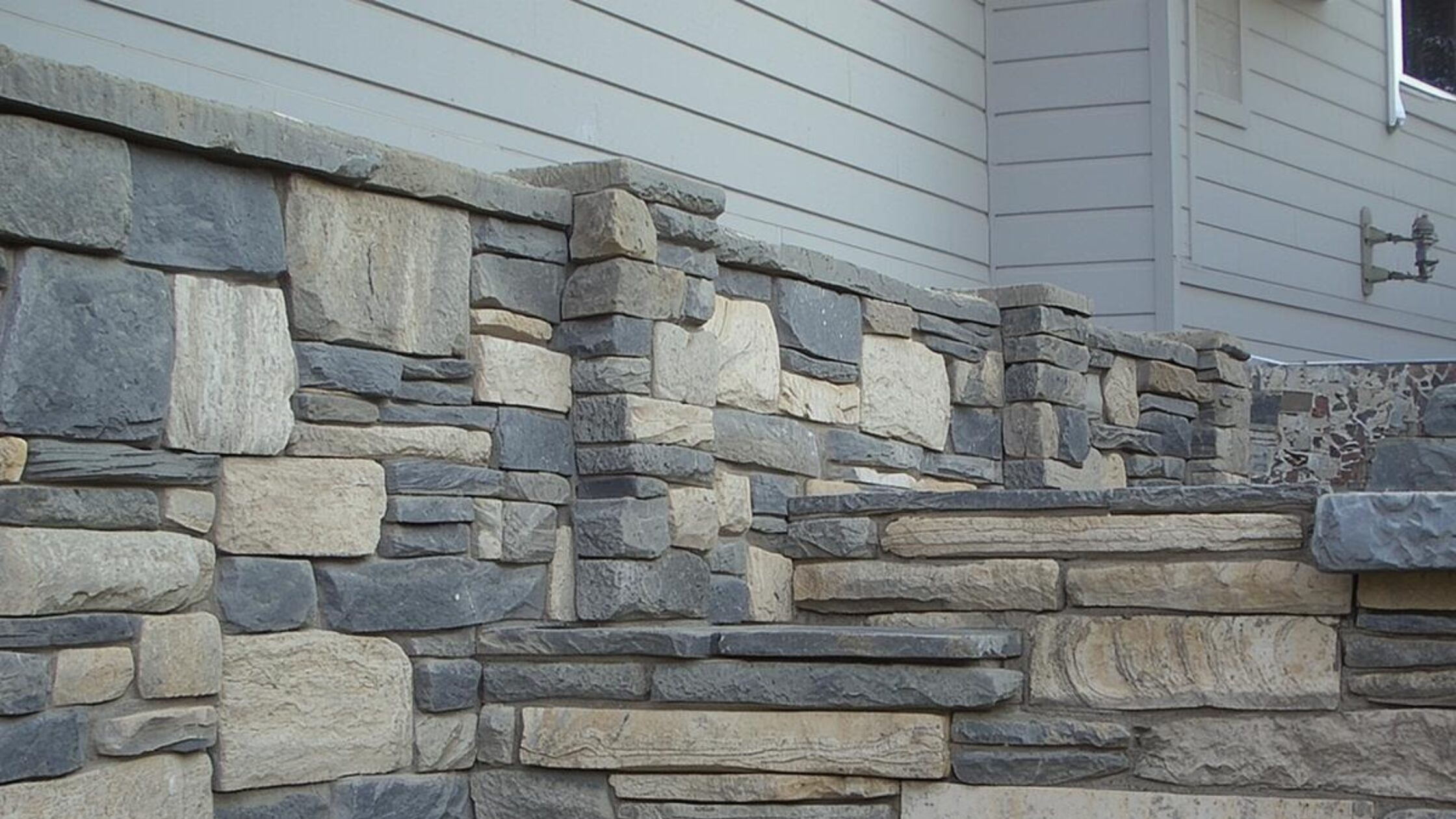
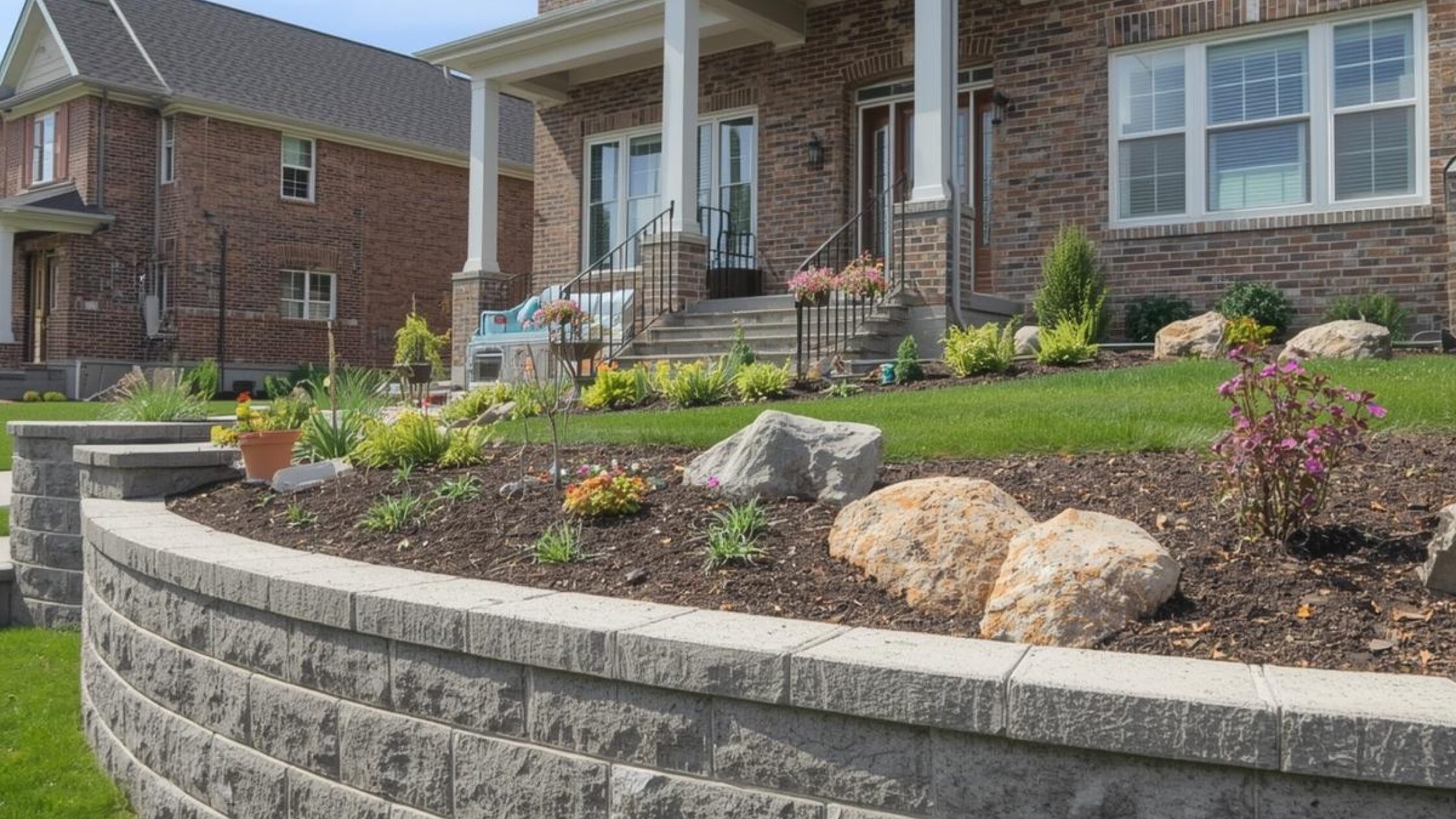
Brick and stone used in structural support walls

Stone excels in retaining walls and foundation-facing applications due to its superior strength, durability, and moisture resistance. Brick can also be used in these areas but may require additional sealing and drainage solutions in high-moisture conditions to prevent long-term damage.

How to Decide: A Simple Homeowner Decision Guide

Choosing between brick vs stone masonry becomes easier when you focus on priorities:

  • Choose brick if you value cost control, predictable installation, and classic design.
  • Choose stone if you prioritize durability, premium aesthetics, and architectural uniqueness.
  • Consider mixing both materials for balanced design and controlled budgets.
  • Factor in climate, HOA rules, and local building codes.

Local professionals can help evaluate soil conditions, moisture exposure, and structural needs before final decisions.

Why Professional Masonry Installation Matters

9 - Why Professional Masonry Installation Matters

Even high-quality materials fail when installation quality drops. Proper foundation support, mortar selection, drainage systems, and structural alignment determine how long masonry lasts.

Working with experienced contractors ensures:

  • Code-compliant construction
  • Moisture protection systems
  • Structural stability
  • Long-term durability

Best Enterprises General Contracting provides professional masonry services for US homeowners, helping clients select materials that fit climate conditions, budgets, and design goals.

Frequently Asked Question

What is brick vs stone masonry?

Brick masonry uses kiln-fired clay or shale bricks bonded with mortar, offering uniform sizing, classic design, and predictable installation costs. Stone masonry uses natural stone or manufactured stone veneer, giving unique textures, premium aesthetics, and superior weather resistance.

Which is better, brick or stone masonry for homes?

The best choice depends on your priorities. Brick is more budget-friendly, easier to install, and ideal for full exterior walls with a classic look. Stone provides a high-end appearance, natural beauty, and long-term durability, making it perfect for accents, fireplaces, and landscaping.

What maintenance is required for brick vs stone masonry?

Brick requires occasional mortar repointing, minor crack repairs, and cleaning. Stone may need sealing depending on type, specialized cleaning, and careful repair to match original stones. Regular inspections help extend the lifespan of both.

What masonry material works best for patios and walkways?

Brick pavers provide a smooth, consistent surface that’s easy to repair. Stone offers natural textures and organic layouts, ideal for rustic or custom outdoor spaces.

Conclusion

Brick and stone masonry both deliver durability, visual appeal, and long-term value. Brick offers affordability and consistency. Stone provides natural beauty and long-lasting performance. There is no universal “best” option, only the material that fits your home, climate, and goals.

If you are planning a masonry project and want professional guidance, contact us today to discuss your options and schedule a consultation.

brick masonrybrick vs stone exterior wallsbrick vs stone masonrystone masonry
Read more
  • Published in Blog, masonry
No Comments

facebook link

Contact Page Leads

  • This field is for validation purposes and should be left unchanged.

Best Enterprises General Contracting

Best Enterprises located in the heart of East Northport has successfully become one of the most trusted home improvement companies. Family owned and operated, General Contractor and Proprietor Barry Burke, established Best Enterprises in May 2000, but has been in the home remodeling industry since 1978. Mr. Burke…

MORE ABOUT US


Follow Us on Facebook


facebook linkInstagram link

Contact Best Enterprises GC

Telephone:
(631) 651-9524

Our Showrooms Address:

370 Larkfield Road
East Northport, NY 11731

173 Terry Road
Smithtown, NY 11787

GET DIRECTIONS
  • GET SOCIAL

© 2023. All rights reserved. Bestenterprisesgc.com.

TOP