
Preparing Your Home for a Kitchen or Bathroom Remodel
Eco-Friendly Materials for Your Next Kitchen Renovation
When planning a kitchen renovation, the choice of materials can affect both your home’s appearance and the environment. The kitchen is the heart of the home. Over the years, it has changed from a space focused solely on function to one that is both functional and sustainable. Choosing eco-friendly materials for your kitchen renovation enhances its visual appeal. Moreover, it helps save energy, reduce waste, and create a healthier living environment.
In this guide, we’ll explore the best eco-friendly materials for your kitchen renovation. You’ll learn how to make informed choices for a sustainable and modern kitchen.
Why Choose Sustainable Kitchen Materials?
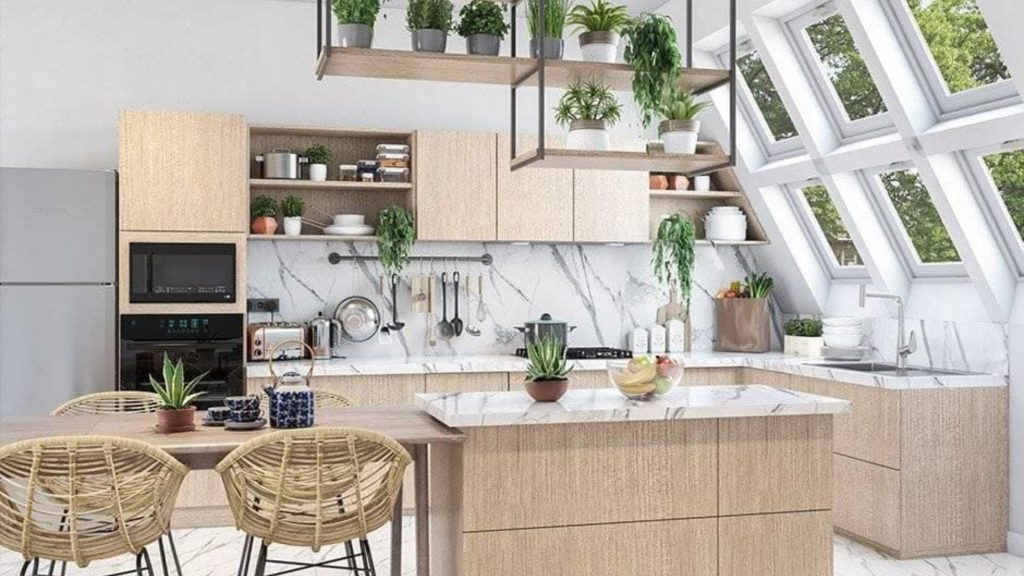
Choosing sustainable kitchen materials goes beyond trends. It is a conscious decision that benefits both the environment and your home. Standard building materials often rely on non-renewable resources. They also contribute to environmental damage. In contrast, sustainable materials are made with nature in mind. They reduce waste, require less energy to produce, and leave a smaller carbon footprint.
Here are a few key reasons why opting for eco-friendly materials in your kitchen renovation is a smart choice:
- Energy Savings: Sustainable materials and energy-efficient appliances help reduce your home’s energy consumption, leading to lower utility bills while promoting energy conservation. Over time, these choices can save you money and reduce your household’s carbon footprint.
- Reduced Environmental Impact: Materials like bamboo, recycled glass, and reclaimed wood are not only renewable but also help reduce waste. By incorporating these materials into your kitchen, you’re making a direct contribution to minimizing resource depletion and diverting waste from landfills.
- Healthier Living Environment: Many traditional materials can release harmful chemicals, such as VOCs (volatile organic compounds), into your home. By choosing non-toxic materials—like natural stone countertops, low-VOC paints, and formaldehyde-free cabinetry—you ensure your kitchen is a healthier, safer space for you and your family.
Making the switch to sustainable materials means creating a kitchen that’s as eco-conscious as it is stylish—one that benefits both you and the planet.
Top Eco-Friendly Materials for Kitchen Renovations
1. Bamboo Kitchen Cabinets
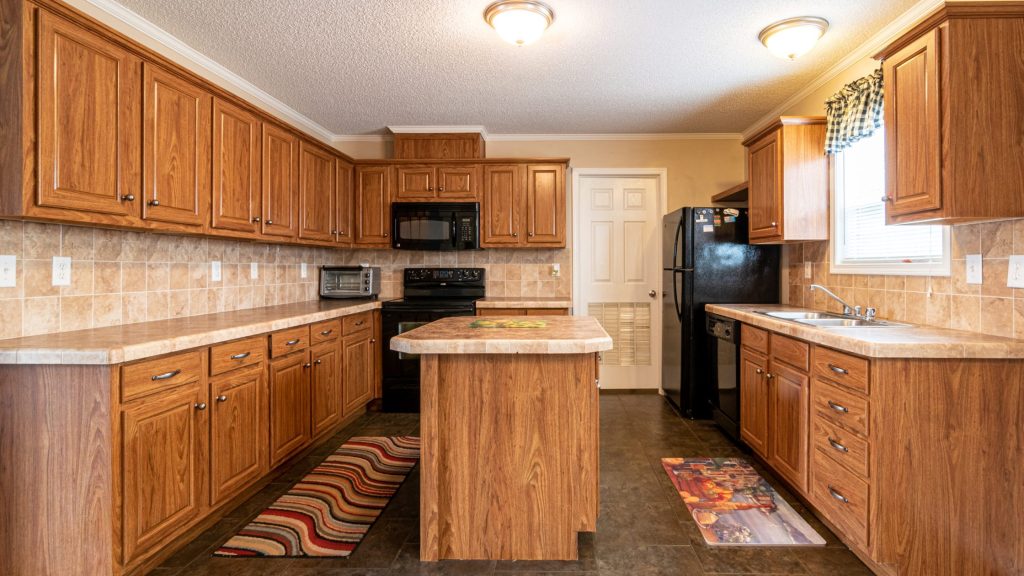
Bamboo is an exceptional eco-friendly material that’s becoming a top choice for kitchen cabinetry. Not only is it durable and visually appealing, but it’s also one of the fastest-growing plants on Earth, making it a highly renewable resource with minimal environmental impact. Bamboo cabinets are lightweight, resistant to moisture, and can be finished with non-toxic stains or paints, ensuring they’re safe for your home. Whether you’re designing a modern, sleek kitchen or a more traditional space, bamboo’s versatility will complement any style.
Benefits
- Highly durable and long-lasting: Bamboo is naturally resilient and built to withstand everyday wear and tear.
- Renewable and fast-growing: As one of the most sustainable materials, bamboo regenerates quickly and doesn’t require replanting.
- Aesthetically versatile: It can suit both contemporary and classic kitchen designs, offering a warm, natural look.
2. Recycled Glass Countertops
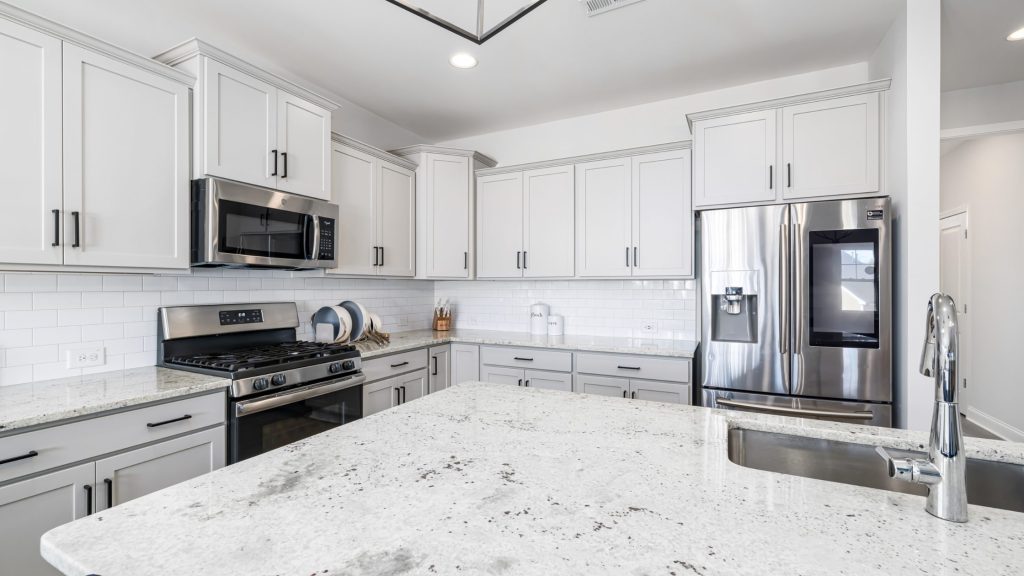
Recycled glass countertops are rapidly gaining popularity for their stylish, sustainable appeal. These countertops are crafted from post-consumer glass waste, combined with other recycled materials like resin, cement, or mirror glass, resulting in a durable and attractive surface. Choosing recycled glass not only reduces the need for new raw materials but also prevents a significant amount of glass waste from filling landfills.
Benefits
- Unique, customizable designs: With various color options and textures, you can create a one-of-a-kind countertop that reflects your personal style.
- Highly durable and low-maintenance: Glass countertops are non-porous, resistant to stains, and easy to clean, making them a practical option for a busy kitchen.
- Made from 100% recycled materials: A perfect example of upcycling, offering an environmentally responsible alternative to conventional countertops.
3. Non-Toxic Materials for a Healthier Home
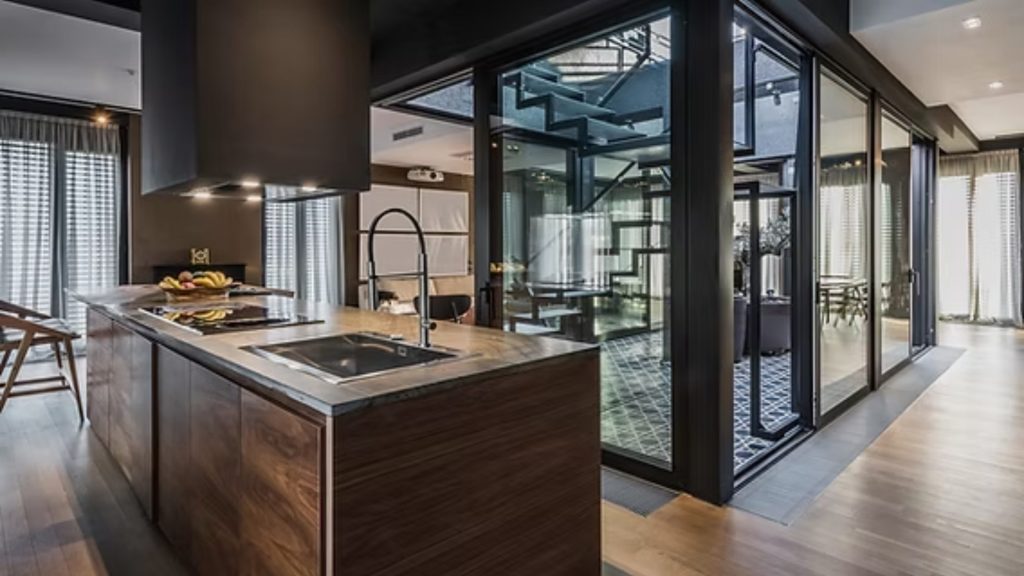
Creating a healthy home environment is just as important as aesthetics, and non-toxic materials play a critical role in ensuring your kitchen remains safe for you and your family. Materials such as natural stone, low-VOC paints, and formaldehyde-free plywood contribute to better indoor air quality by minimizing the release of harmful chemicals. By selecting these options, you are creating a healthier kitchen free from pollutants and toxins, making it a safer space for everyday living.
Benefits
- Natural stone countertops (e.g., granite, quartzite): These non-toxic materials are durable and add an elegant, natural touch to your kitchen.
- Zero-VOC paints: These low- or no-volatile organic compound paints eliminate harmful emissions, making your kitchen’s air quality cleaner.
- Formaldehyde-free plywood for cabinetry and shelving: Essential for reducing the release of potentially harmful gases into your home’s environment.
4. Energy-Efficient Kitchen Appliances
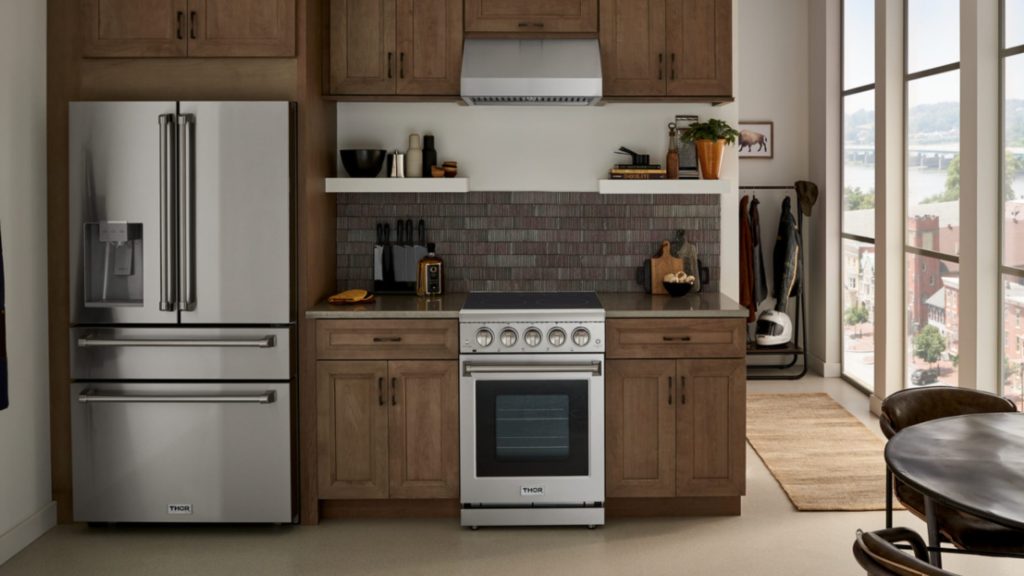
Energy-efficient appliances are a cornerstone of any sustainable kitchen renovation. These modern appliances consume less electricity and water, ultimately reducing both your environmental impact and utility bills. Refrigerators, dishwashers, and ovens that have earned the ENERGY STAR label are known for their high efficiency, helping you save money while reducing your carbon footprint.
Benefits
- Lower energy consumption and reduced carbon footprint: Energy-efficient appliances consume less power, helping to decrease greenhouse gas emissions.
- Water-saving options for dishwashers and faucets: Many energy-efficient models are designed with built-in water-saving features, which can help conserve one of our most precious resources.
- Long-term cost savings on utility bills: Though these appliances may have a higher upfront cost, their energy and water-saving capabilities lead to significant savings over time.
How to Choose the Right Materials for Your Kitchen
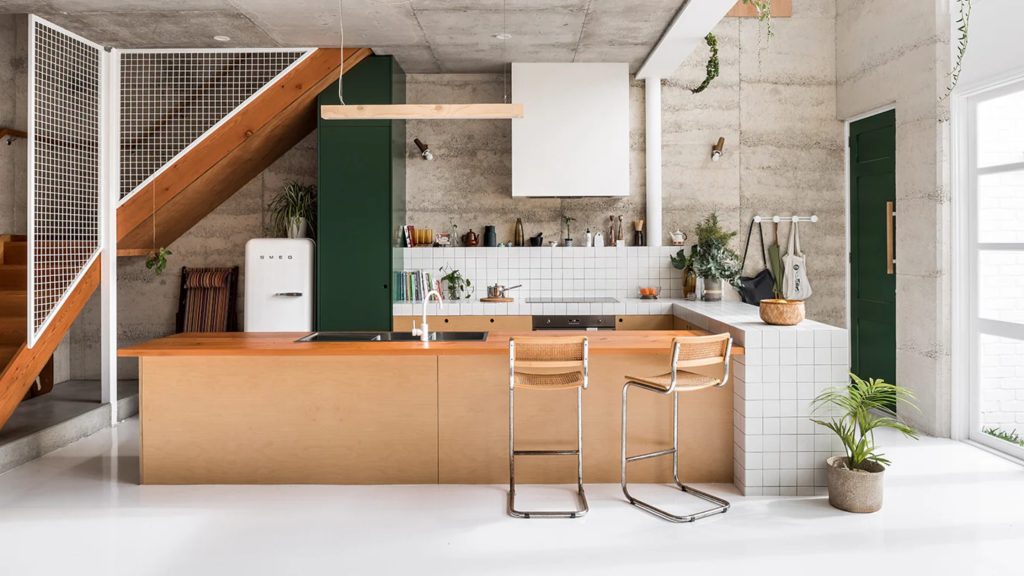
Choosing the right eco-friendly materials for your kitchen can seem overwhelming, but with the right knowledge, the process becomes easier. Here are some tips to help guide your decisions:
- Consider durability: Sustainable materials should last longer, so choose options like bamboo or stone that will stand the test of time.
- Think about maintenance: Materials like recycled glass and natural stone are low-maintenance and easier to care for over the long run.
- Aesthetic appeal: Choose materials that complement the existing design of your home while maintaining eco-friendliness. For example, bamboo is perfect for a modern, minimalist kitchen, while reclaimed wood works well in rustic spaces.
- Budget: Sustainable materials can sometimes be more expensive upfront, but the long-term savings in energy bills and durability can offset the initial costs.
Conclusion
Choosing eco-friendly materials for your kitchen renovation is a smart choice for the environment and your wallet. From bamboo cabinets and recycled glass countertops to energy-efficient appliances and water-saving fixtures, there are plenty of sustainable options that will make your kitchen both beautiful and eco-friendly. By opting for these materials, you’re not only enhancing your home but also contributing to a greener future.
Take the first step today towards a more sustainable kitchen by exploring eco-friendly materials that suit your design preferences and environmental goals.
Open-Concept vs Traditional Kitchens: Which is Right for your Home?
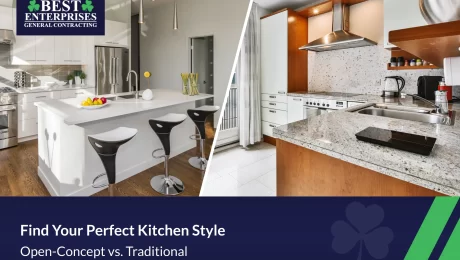
How to Choose Between Open and Traditional Kitchens
Trying to decide between open-concept vs. traditional kitchens? This comprehensive remodeler’s guide breaks down the key differences, pros and cons, and lifestyle considerations. Whether you’re remodeling or building from scratch, it’s essential to understand each layout’s advantages—from better space flow and natural light to privacy and storage.
Explore how open-concept kitchens foster social interaction, modern aesthetics, and better flow, while traditional kitchens offer focused functionality, extra storage, and classic design appeal. This article also introduces hybrid solutions, real-life examples, and design inspirations to help you strike the perfect balance.
What is an Open-Concept Kitchen?
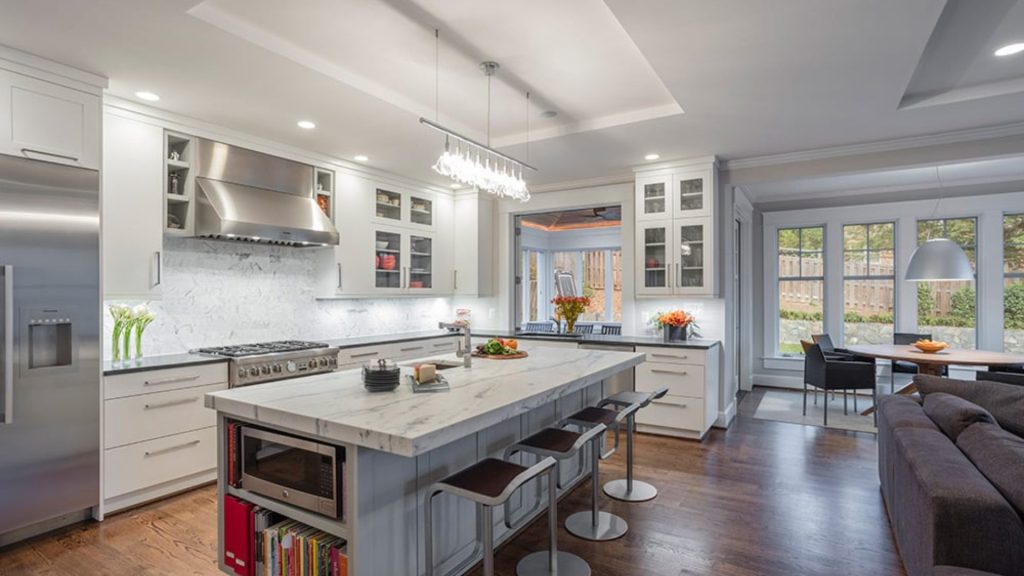
An open-concept kitchen is a modern layout that removes physical barriers like walls or doors between the kitchen and surrounding areas such as the dining room or living room. This seamless integration creates a unified living space that feels larger, brighter, and more connected. Open kitchens are popular in contemporary homes because they promote interaction, enhance visibility, and improve the overall flow of the home.
Key Features of Open-Concept Kitchens:
- No interior walls separating the kitchen from dining and living spaces, allowing for a continuous, cohesive layout
- Expansive kitchen islands that serve multiple functions, from meal prep to casual dining and entertaining
- Abundant natural light due to open sightlines and fewer obstructions between windows and living areas
- Airy, spacious feel that makes even smaller homes appear larger and more welcoming
- Improved social interaction, letting homeowners cook, entertain, and connect with family or guests at the same time
Whether you’re hosting a dinner party or helping kids with homework while making dinner, an open-concept kitchen supports a more connected and interactive lifestyle.
What is a Traditional Kitchen Layout?
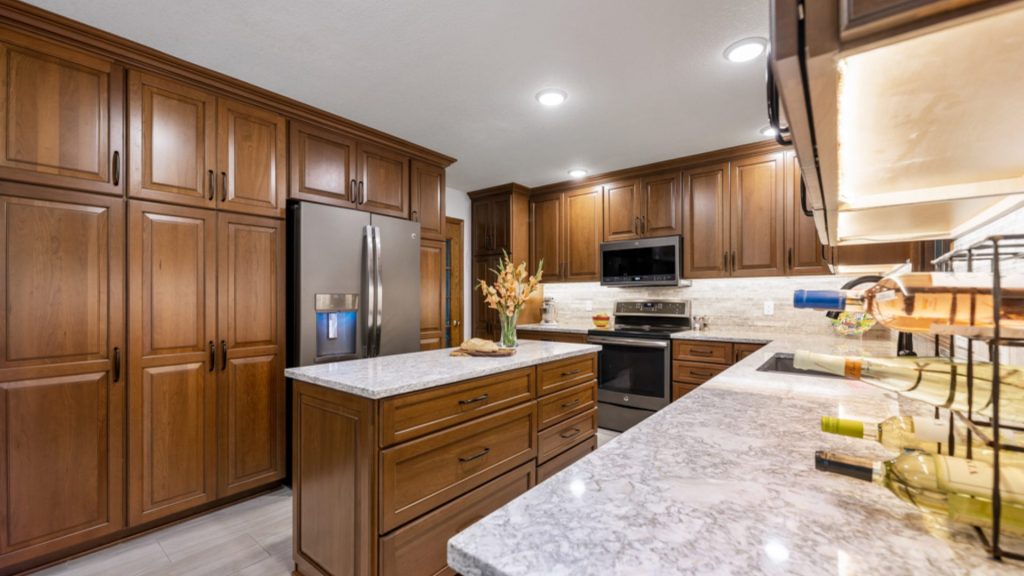
A traditional kitchen layout features a defined, enclosed space that is separate from the rest of the home. Designed with function and privacy in mind, this classic kitchen style typically includes walls, doorways, or partitions that create clear boundaries between the kitchen and adjacent rooms. The traditional kitchen emphasizes a more structured workflow, allowing homeowners to focus on cooking without distractions from nearby living spaces.
Key Features of Traditional Kitchens:
- Clearly defined room boundaries, offering separation between cooking and living or dining areas
- Maximized wall space for cabinets, shelves, and appliances, ideal for ample kitchen storage
- Quiet, focused cooking environment, with fewer distractions and interruptions
- Better control of kitchen elements, such as odors, noise, and visual clutter
- Classic design appeal, often suited to formal layouts and timeless interior styles
Traditional kitchens are a favorite for homeowners who value privacy and organization. They also offer a dedicated cooking zone, away from household distractions.
Open-Concept vs. Traditional Kitchens: A Side-by-Side Comparison
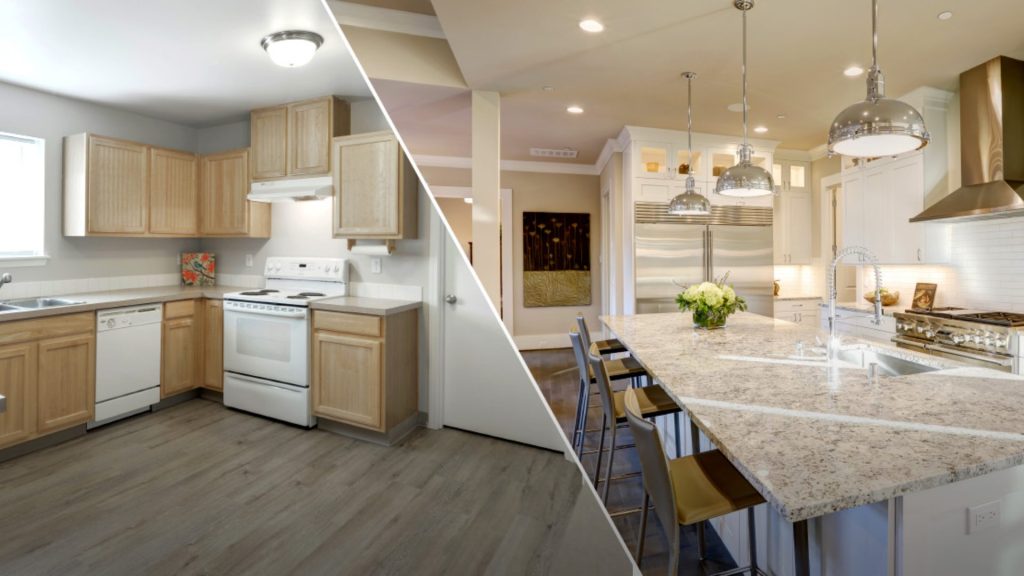
Still deciding between an open-concept kitchen and a traditional kitchen layout? Here’s a detailed comparison across five key categories to help you determine which kitchen style aligns best with your home, lifestyle, and long-term goals.
Open-Concept Kitchen
- Space and Layout: Perfect for small homes, apartments, or condos where maximizing space is essential. The open flow makes the kitchen feel larger and more connected to surrounding areas.
- Social Interaction: Ideal for entertaining or multitasking you can watch kids, chat with guests, or host gatherings seamlessly while cooking.
- Design Flexibility: With fewer walls, there may be fewer upper cabinets, but you gain more room for large kitchen islands and multi-purpose furniture.
- Noise and Smells: Because there are no walls, sounds and cooking odors can spread easily throughout the home. High-quality ventilation becomes very important.
- Resale Value: Extremely popular with modern buyers, especially millennials and young families who prefer open living spaces.
Traditional Kitchen
- Space and Layout: Best suited for larger homes where maintaining room separation adds structure and function. It offers more defined zones for cooking and dining.
- Social Interaction: Encourages better focus during meal preparation. Socializing typically happens outside the kitchen area.
- Design Flexibility: Provides ample wall space for extensive cabinetry, creative storage solutions, and customizable layouts.
- Noise and Smells: The enclosed layout helps contain noise and cooking smells, keeping the rest of the home quieter and undisturbed.
- Resale Value: Still appreciated by many buyers, particularly those who prefer traditional layouts or formal dining spaces.
Pros and Cons of Open-Concept Kitchens
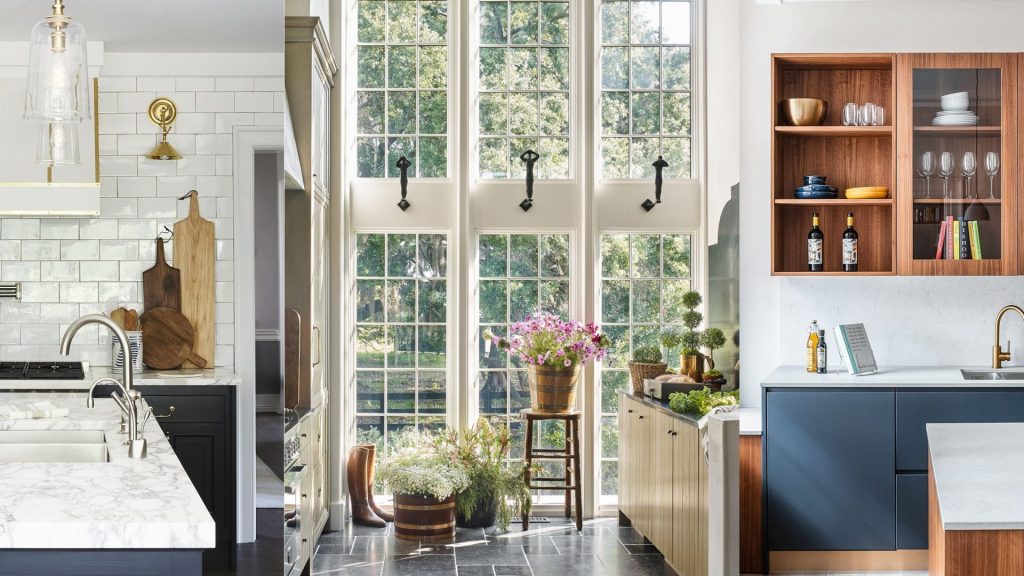
Choosing an open-concept kitchen layout offers many advantages, especially for modern living but it’s essential to weigh the trade-offs before deciding. Below is a quick overview of what to expect:
Pros of Open-Concept Kitchens
- Maximizes small spaces: Open layouts create the illusion of more square footage, making apartments and compact homes feel more spacious and open. This is particularly beneficial in modular kitchen design where space efficiency is key.
- Perfect for entertaining and multitasking: Whether you’re hosting guests, helping kids with homework, or watching TV, an open kitchen allows you to stay connected and socially engaged while preparing meals.
- Enhanced natural light and traffic flow: With fewer interior walls, daylight can reach more parts of the home, reducing the need for artificial lighting and improving overall home ambiance.
- Visually unifies interior design themes: Open kitchens allow seamless integration with living room and dining room décor, aligning with popular kitchen interior design trends like modern minimalism and Scandinavian aesthetics.
- Great for families and social households: Parents can supervise children while cooking, and the space naturally encourages group interaction making it ideal for young families or those who entertain often.
Cons of Open-Concept Kitchens
- Lack of privacy and visual separation: Kitchen messes, appliances, and prep areas remain visible from other rooms, which may not suit those who prefer a more polished or formal appearance.
- Noise and cooking smells travel easily: Without barriers, sounds from blenders, timers, or conversations can echo, and odors from food preparation can spread quickly. High-quality ventilation systems are necessary.
- Limited upper cabinet storage: The reduction in wall space often limits options for overhead cabinets, leading to storage challenges especially in homes without a pantry.
- Requires consistent tidiness: Since everything is on display, open-concept kitchens demand a higher level of daily organization and cleanliness to maintain visual appeal.
Pros and Cons of Traditional Kitchens
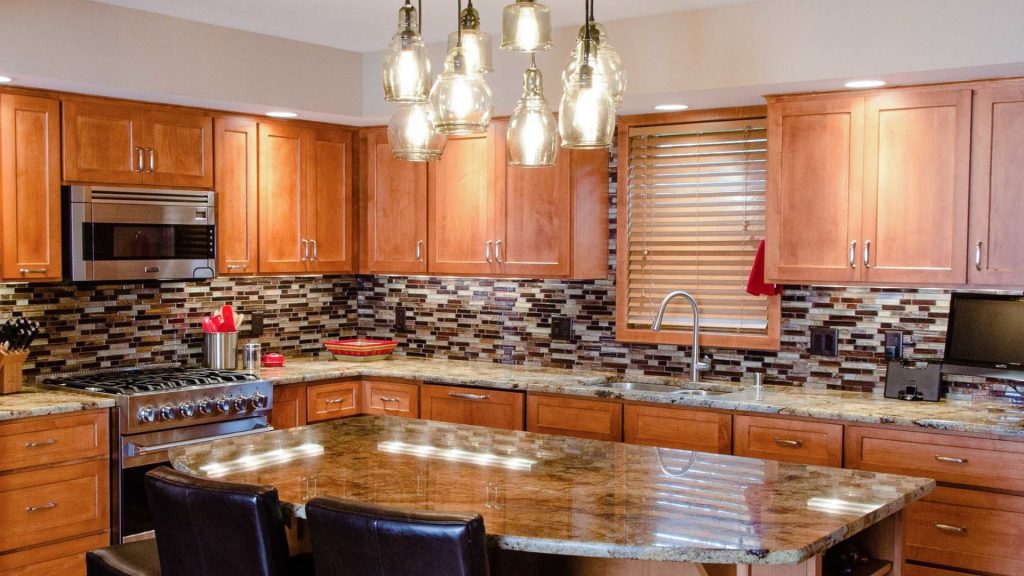
A traditional kitchen layout emphasizes structure, separation, and functionality. While it may not align with contemporary open-living trends, it continues to offer solid benefits for many households.
Pros of Traditional Kitchens
- More cabinet and storage space: Defined walls provide ample real estate for upper and lower cabinets, pantry areas, and built-in appliances. This supports a wide variety of cooking tools, especially in homes with extensive culinary needs.
- Easier to control clutter, noise, and smells: Kitchen activities stay within the room, reducing disruption to the rest of the house. This makes traditional layouts better for those who cook aromatic or complex dishes frequently.
- Dedicated cooking zone: The enclosed layout allows for focused, efficient meal prep. It’s especially ideal for serious cooks or bakers who appreciate uninterrupted workspace.
- More appliance and layout flexibility: Traditional kitchens are better suited to accommodate larger or multiple appliances like double ovens, built-in freezers, or additional prep sinks.
Cons of Traditional Kitchens
- Reduced social interaction: Being enclosed means the cook is often separated from guests or family members, making it harder to socialize or multitask while preparing meals.
- Can feel closed-off in smaller homes: Without the open flow of modern layouts, traditional kitchens may seem tight or confined particularly in smaller homes or apartments.
- Less adaptable to contemporary floor plans: Traditional kitchens may feel outdated in homes designed with open or flexible living spaces in mind. This can influence resale appeal, especially among younger or first-time buyers.
Choosing Between Open-Concept vs. Traditional Kitchens for Your Lifestyle
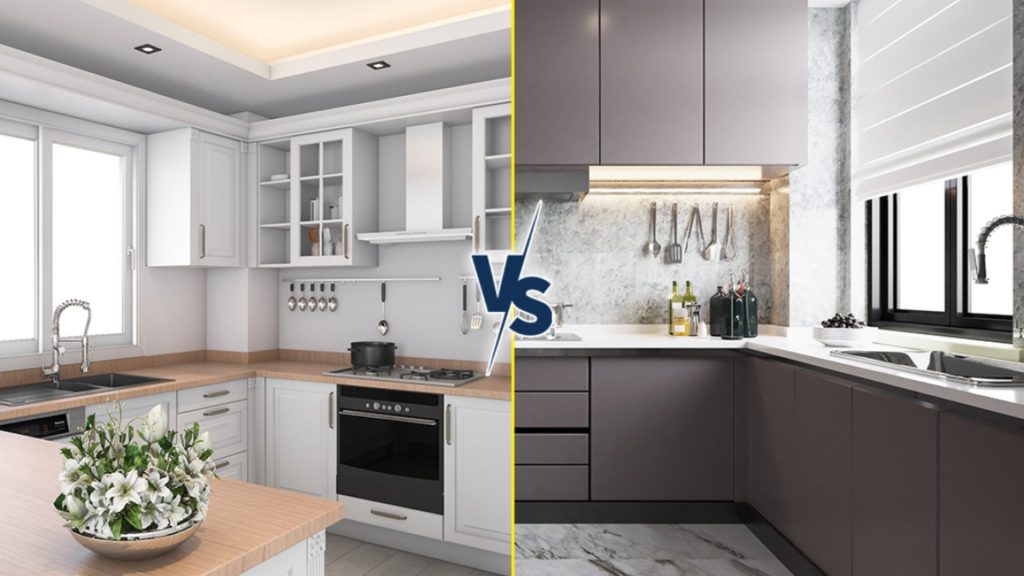
Deciding between an open-concept kitchen and a traditional kitchen layout comes down to your daily routines, cooking habits, and long-term home goals. Each layout caters to different lifestyles, so it’s important to reflect on how you use your kitchen space.
Consider the following questions to guide your choice:
- Do you frequently entertain, or do you prefer a quiet, focused cooking environment?
- Is storage a top priority, or are you more concerned with visual openness and flow?
- Do you live in a smaller home or apartment that would benefit from a spacious feel, or a larger home where distinct rooms work well?
- Are you thinking about resale value and appealing to modern homebuyers?
Choosing the Right Fit
Open-Concept Kitchen:
- Ideal if you love entertaining, staying engaged with family while cooking, or want to maximize the feel of space in a smaller home.
- Best for homeowners who value natural light, multi-use areas, and a modern, social atmosphere.
Traditional Kitchen Layout:
- Great for those who prefer privacy, structure, and organization in the kitchen.
- Suits larger homes or anyone who prioritizes ample storage, focused functionality, and visual separation between rooms.
By evaluating your priorities and how you use your home, you can confidently choose the kitchen design style that supports your lifestyle whether it’s open-concept, traditional, or a smart hybrid of both.
Conclusion
When it comes to the decision between open-concept vs. traditional kitchens, there’s no universally perfect answer, only the solution that best fits your space, lifestyle, and design preferences.
Both kitchen layouts offer distinct advantages:
- Open-concept kitchens deliver connectivity, visual space, and modern appeal perfect for entertaining or family living.
- Traditional kitchens offer structure, privacy, and ample storage ideal for those who prioritize functionality and organization.
Whether you’re planning a kitchen remodel in a compact urban apartment or designing your dream kitchen in a spacious suburban home, understanding the pros and cons of open-concept vs. traditional kitchens equips you to make a confident, informed decision that enhances both daily living and long-term home value.
Top Kitchen Remodeling Trends Transforming Homes in 2025
Imagine walking into a kitchen that’s not just a place to cook but a hub of sustainability, technology, and style welcome to 2025’s kitchen remodeling trends. As kitchens continue to evolve into multifunctional spaces for cooking, dining, and socializing, staying ahead of the latest trends is essential for homeowners planning a remodel.
In this article, we’ll explore the top kitchen remodeling trends transforming homes in 2025, offering actionable insights, expert guidance, and real-world examples to help you create a kitchen that’s both functional and stylish. Whether you’re planning a full renovation or a simple update, these trends will inspire you to reimagine your space.
Why Kitchen Remodeling Trends Matter in 2025
Kitchens are no longer just functional spaces, they’re the heart of the home. In 2025, kitchen design is all about sustainability, technology, and personalization. According to a 2023 survey, 78% of homeowners prioritize kitchen remodels for increasing home value, making it one of the most impactful home improvement projects. From eco-friendly materials to smart appliances, the trends of 2025 are designed to enhance both the functionality and aesthetics of your kitchen.
1. Sustainable Kitchen Design: Eco-Friendly and Stylish
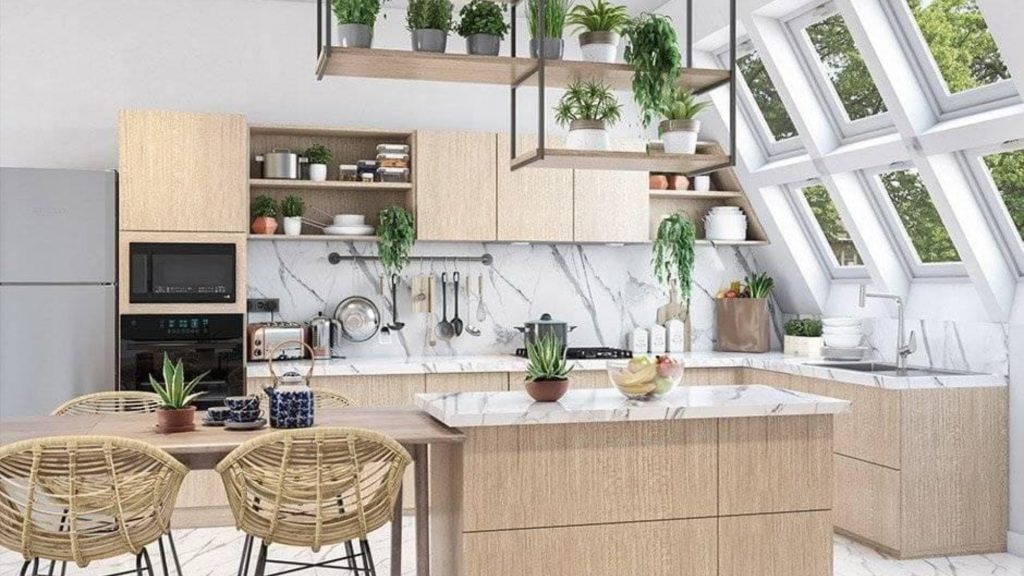
Sustainability is no longer a niche trend, it’s a necessity. In 2025, homeowners are embracing eco-friendly materials like reclaimed wood, recycled glass, and low-VOC paints. Energy-efficient appliances and water-saving fixtures are also gaining popularity, helping reduce both environmental impact and utility bills. For example, a recent project by Best Enterprises used bamboo cabinetry and quartz countertops, combining durability with eco-friendliness. These materials not only look stunning but also contribute to a healthier planet.
A sustainable kitchen design helps lower environmental impact by reducing waste and energy consumption. It also leads to long-term cost savings, as energy-efficient appliances can cut utility bills by up to 30%. Additionally, eco-conscious features increase home value, making properties more attractive to buyers. To create a green kitchen, homeowners can replace old appliances with ENERGY STAR-rated models, opt for locally sourced materials, and install water-saving faucets and LED lighting for added efficiency.
2. Smart Kitchen Innovations: Technology Meets Functionality
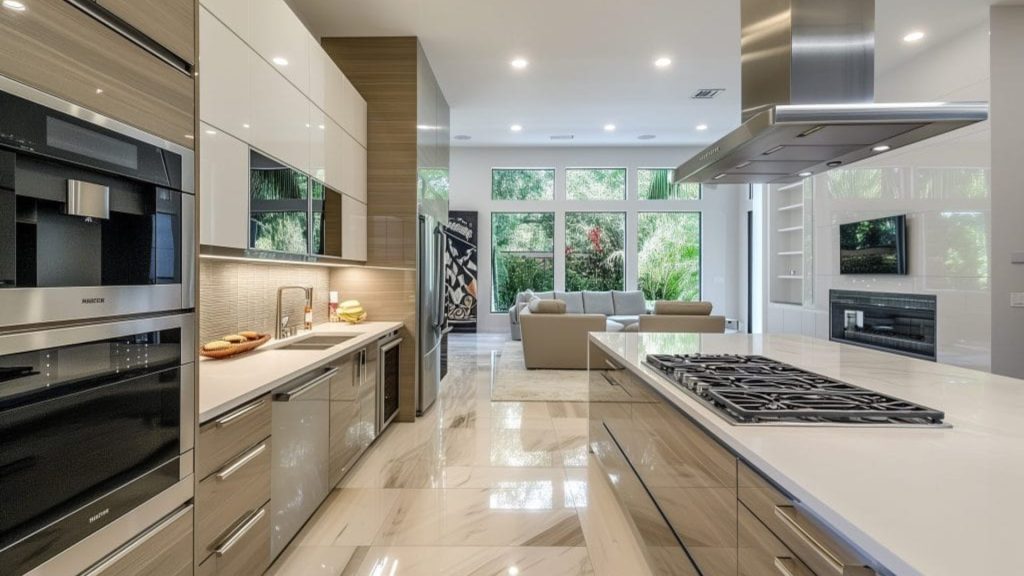
Smart kitchens are revolutionizing the way we cook and interact with our spaces. In 2025, Wi-Fi-enabled ovens, smart refrigerators with inventory tracking, and voice-controlled faucets are becoming mainstream. These innovations not only improve convenience but also enhance efficiency. For instance, a smart refrigerator can alert you when you’re running low on groceries, while a voice-controlled faucet can measure precise amounts of water for recipes.
Smart storage solutions, such as motorized cabinets, pull-out pantry systems, and app-controlled lighting, are transforming kitchen organization. A recent project by Best Enterprises incorporated a smart kitchen system that reduced energy usage by 20%, proving that technology can be both functional and sustainable. When planning a smart kitchen, experts recommend prioritizing devices that integrate seamlessly with your existing smart home ecosystem for maximum efficiency.
3. Multifunctional Kitchen Islands: The Heart of the Kitchen
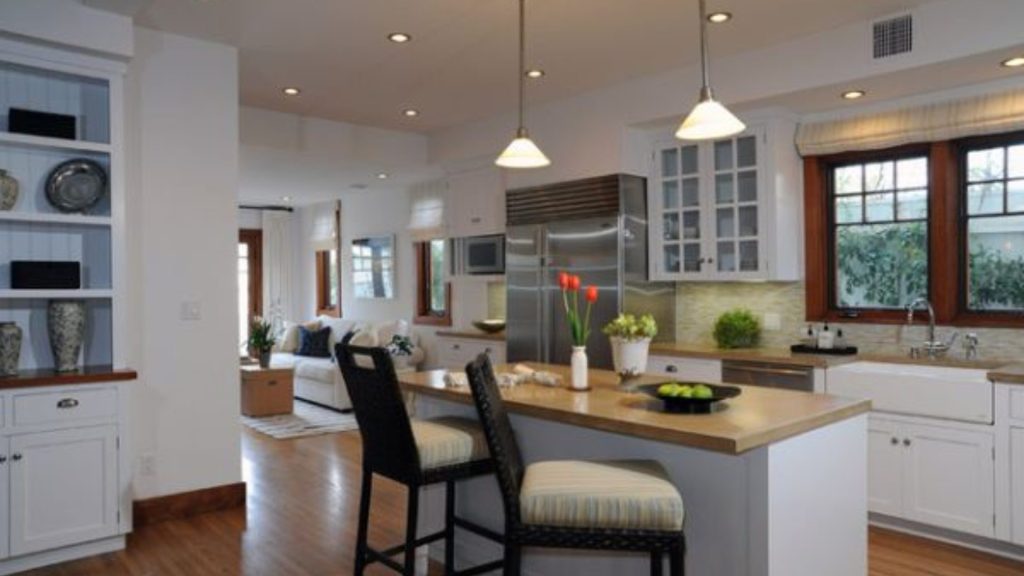
Kitchen islands are no longer just for prep work; they’re becoming the focal point of the kitchen. In 2025, expect to see islands with built-in storage, seating, and even appliances like sinks or wine coolers. A well-designed island can serve multiple purposes, from meal preparation to casual dining and even work-from-home setups.
For smaller kitchens, a fold-down island can double as a dining table, maximizing functionality without sacrificing space. Homeowners can also incorporate hidden storage within islands to keep kitchen essentials neatly tucked away. As an expert tip, designers suggest planning islands with flexibility in mind to accommodate changing needs over time.
4. Bold Colors and Personalized Aesthetics
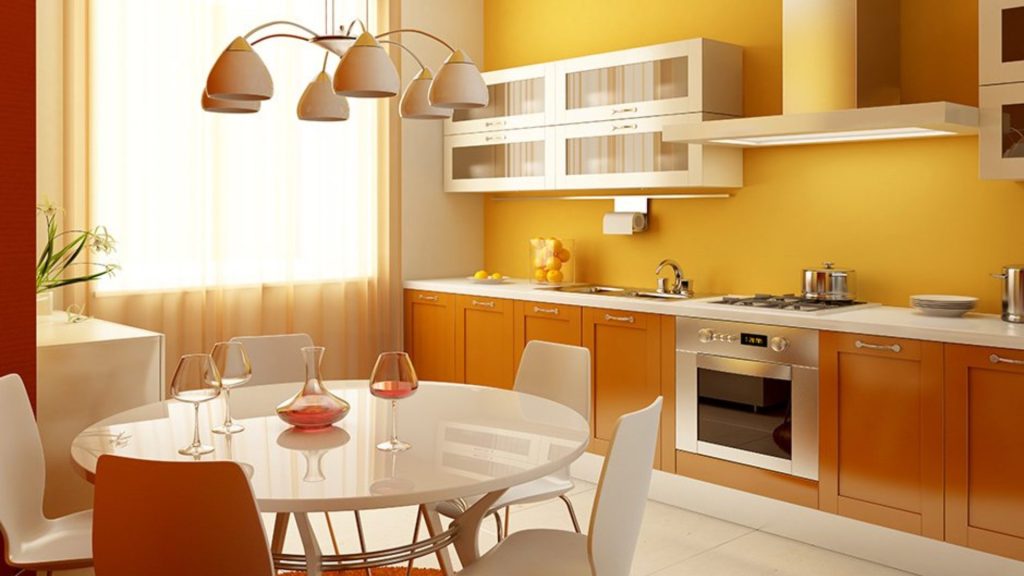
Neutral kitchens are taking a backseat as homeowners embrace bold colors like deep blues, emerald greens, and matte black. These hues add personality and depth to kitchen spaces while making a strong visual impact. Additionally, mixing materials such as wood, metal, and stone creates dynamic and visually interesting designs.
Personalization is another key trend, with homeowners opting for custom cabinetry, unique backsplashes, and statement lighting to reflect their individual styles. A recent remodel featured navy blue cabinets with brass handles, creating a striking yet elegant aesthetic. This shift toward bolder design choices allows homeowners to create kitchens that feel both modern and timeless.
5. Open Shelving and Minimalist Design
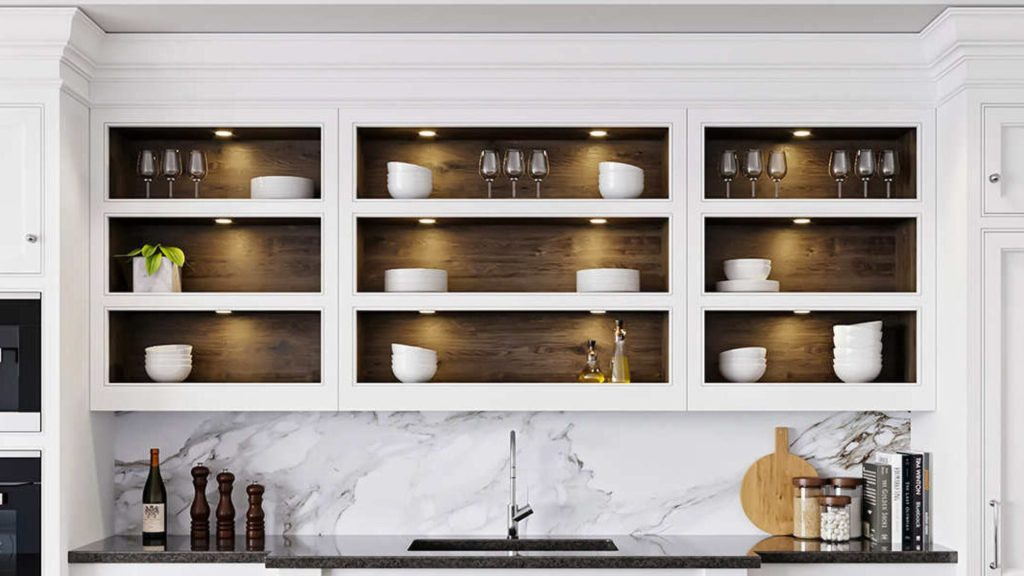
Minimalist kitchens are gaining popularity in 2025, with open shelving replacing traditional upper cabinets. Open shelves create a sense of openness and allow homeowners to display decorative items, fine dishware, or everyday essentials in an organized manner. Floating shelves, in particular, offer a sleek, modern look while maintaining functionality.
Minimalist design focuses on clean lines and hidden storage, keeping countertops clutter-free. By incorporating streamlined cabinetry, handle less drawers, and integrated appliances, homeowners can achieve a contemporary aesthetic without sacrificing usability. To maintain a minimalist look, experts recommend prioritizing functional storage solutions and keeping frequently used items within easy reach.
6. Mixed Materials and Textures
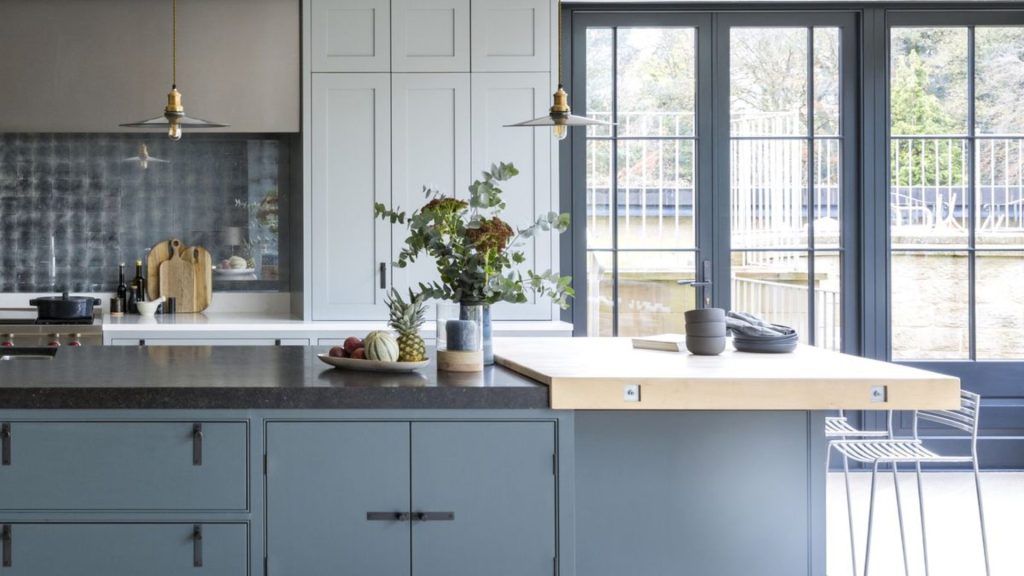
Mixing contrasting materials like wood, metal, and stone adds depth and visual interest to a kitchen. For instance, a marble countertop paired with a matte black backsplash creates a striking yet cohesive look. Textured finishes, such as brushed metals or natural stone backsplashes, enhance the overall design by adding a layer of sophistication.
Incorporating a variety of textures allows homeowners to create a balanced yet visually appealing kitchen. Some popular combinations include pairing warm wood tones with cool metallic, using matte and glossy surfaces together, or introducing tactile materials like concrete and quartz. These combinations not only enhance aesthetics but also contribute to a more engaging and dynamic kitchen environment.
Conclusion: Transform Your Kitchen with 2025 Trends
Incorporating these 2025 kitchen remodeling trends can transform your space into a functional, stylish, and sustainable hub of your home. Whether you’re planning a full renovation or a simple update, these insights will help you make informed decisions. From smart kitchen innovations to bold color choices and eco-friendly designs, the possibilities for enhancing your kitchen are endless.
Ready to transform your kitchen? Contact Best Enterprises General Contracting today for a free consultation!
Kitchen Remodeling Mistakes to Avoid: Expert Advice
Renovating a kitchen is always an interesting and challenging process at the same time. It is a capital intensive exercise that if well done can make a big difference in the value and functionality of the home. However, there are some time-tested mistakes that people faced with the work at home idea should be aware of. Below are some tips that a professional in this field can offer so that you can avoid these mistakes when conducting the kitchen remodeling.
Neglecting the Budget
One of the most frequently made errors is, in fact, the absence of a reasonable budget. It is tempting to choose the best brands in kitchen equipment and fancy looks. However, it is important to set one or more limits. Always provide for an emergency fund. Emergencies are bound to happen, especially during remodeling projects.
Ignoring the Workflow
The kitchen is not a living room; it is a workplace. The planning should support this concept. The traditional “triangle rule” is a good starting point. This rule suggests the distance between the sink, stove, and refrigerator should be optimal. Failing to follow this rule might result in a good-looking kitchen that does not serve its intended purposes well.
Overlooking Storage Needs
One of the biggest remorse that homeowners encounter after undertaking a kitchen renovation is lack of sufficient storage space . Make sure that you leave room for many cabinets, draw and pantry. Some ideas of creative arrangements are pull out shelf, lazy Susan, and deep drawer used for storing pots and pans.
Choosing Aesthetics Over Functionality
Yes, you want your kitchen to look good, pretty, whatever, but looks should never take precedence over practicality. For instance, while open shelving is great fashions, it means that you have to work harder at ensuring that it remains neat. Likewise, glossy coatings are certain to give fingerprints and smudges compared to matte ones.
Poor Lighting
This is an essential area that is commonly neglected in most kitchen design when in fact it is important in functionality and also creates the mood. A kitchen should have functional lights which are the task lighting (under-cabinet), the ambient lights (ceiling), and accent lights (pendant or spotlight).
Skimping on Quality
Substandard materials and poor workmanship also have future implications if type of construction is adopted. Use good quality products and contract professional services. This may cost more initially but it would eventually be cheaper as well as would not give a lot of trouble.
Not Considering the Future
You may have a favorite trend that is hot in the design world right now, but your kitchen needs to be timeless. Chose a style that with not be out dated after years from now. Thirdly, you should think about how your need can change in the future. For instance, if your intention is to live in your house when you grow old, then it is time to consider some universal designs.
Forgetting Ventilation
Also for extraction there should be excellent ventilation to help remove cooking smells, smoke, and grease from the kitchen. Ensure you buy a range hood that can address your cooking needs and aims to remove the air outside.
DIY Overconfidence
As we know, sometimes it is all right to do everything on your own, but when it comes to the remodeling of the kitchen it is better to address to the professionals. Many electrical works, plumbing and complex installation jobs have to be done professionally to avoid complications, and ensure compliance to standard safety measures and building regulations.
Lack of Planning
Finally, the biggest mistake is failing to plan adequately. Spend time conceptualizing all aspects of your remodel including location, type of construction, materials, time line and cost. If you want to avoid the costs of changes and schedule extension, you should develop a good plan.
Conclusion
There are many mistakes that homeowners can make during a kitchen remodel, but with some knowledge these mistakes do not have to happen. Ensure that the budget, the flow of works, storage, and print quality takes a priority and do not be shy to ask for help from experts. Happy remodeling!
- Published in Blog, Kitchen, Remodeling
The Ultimate Guide for Remodeling of Compact Kitchens
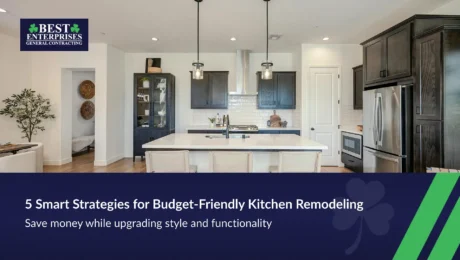
5 Smart Strategies for Budget-Friendly Kitchen Remodeling
Kitchen and Bathroom Renovation: Top Trends and ROI for 2024
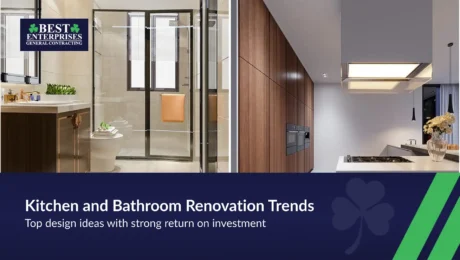
As we enter 2024, kitchen and bathroom renovation are among the most popular and valuable trends for home improvement projects. These spaces are evolving beyond mere functionality, becoming personal sanctuaries that reflect homeowners’ desires for style, wellness, and sustainability. Let’s explore the top trends and their potential return on investment (ROI) for 2024.
Kitchen Renovation Trends 2024
1. Smart Technology Integration
The kitchen of 2024 is smarter than ever. Advanced technology is making culinary tasks more streamlined, efficient, and enjoyable. Some key features include:
- AI-driven ovens and refrigerators that can suggest recipes based on available ingredients
- Voice-controlled lighting and faucets for hands-free operation
- Energy-efficient appliances with smart features to optimize energy usage
These innovations enhance convenience and contribute to energy savings, potentially increasing your home’s value.
2. Sustainable and Eco-Friendly Materials
Sustainability is at the forefront of kitchen design in 2024. Homeowners are increasingly opting for materials that have a minimal environmental impact:
- Reclaimed wood for cabinetry and flooring
- Recycled glass countertops
- Low-VOC paints and finishes
- Bamboo or cork flooring options
These eco-friendly choices showcase a commitment to the planet and introduce unique textures and palettes that breathe fresh life into the kitchen space.
3. Multifunctional Kitchen Islands
The kitchen island has evolved from a simple workspace to a multifunctional hub. In 2024, we’re seeing islands that incorporate:
- Storage solutions
- Seating areas
- Cooking zones with built-in appliances
- Charging stations for devices
- Convertible workspaces for home office setups
This trend reflects the growing need for versatile spaces that adapt to various daily activities.
4. Bold Color Choices
While white kitchens have dominated in recent years, 2024 is seeing a shift towards bolder color palettes:
- Two-tone cabinetry, often featuring dark lower cabinets and lighter upper ones
- Statement range hoods in contrasting colors
- Vibrant backsplashes that serve as focal points
- Rich, deep hues like forest green or navy blue for cabinetry
These bold choices add personality and visual interest to the kitchen, making it a more engaging space.
Bathroom Renovation Trends 2024
1. Spa-Like Designs
The bathroom is increasingly being viewed as a personal retreat. Spa-inspired designs are dominating in 2024:
- Freestanding soaking tubs with smart temperature control
- Rain showerheads with customizable water flow
- Steam showers for ultimate relaxation
- Heated floors for comfort
These luxurious features enhance the user experience and can be attractive selling points for potential buyers.
2. Eco-Warrior Fixtures
Water conservation is a key focus in bathroom design for 2024:
- Water-saving faucets and showerheads
- Dual-flush toilets
- Greywater recycling systems
- Solar-powered water heaters
These eco-friendly options reduce water consumption and can significantly save utility bills.
3. Natural and Organic Elements
Bringing nature indoors is a strong trend in bathroom design:
- Stone sinks and countertops
- Wood-look tile flooring
- Living plant walls
- Large windows or skylights to maximize natural light
These elements create a calming, organic atmosphere that promotes relaxation and well-being.
4. Tech-Enhanced Features
Technology is making its way into the bathroom, offering both convenience and luxury:
- Smart mirrors with built-in displays for news, weather, or your schedule
- Touchless, sensor-operated fixtures for improved hygiene
- Chromotherapy lighting systems for mood enhancement
- Digital shower systems with personalized settings
These high-tech features can significantly increase the perceived value of your bathroom.
Return on Investment (ROI) for Kitchen and Bathroom Renovations
When considering a renovation, it’s crucial to understand the potential return on your investment. While exact figures can vary based on location and specific choices, here are some general guidelines:
Kitchen Renovations
- Mid-range Kitchen Remodel: Average Cost: $25,000 to $50,000
- Upscale Kitchen Remodel: Average Cost: $75,000 to $100,000
Bathroom Renovations
- Mid-range Bathroom Remodel: Average Cost: $10,000 to $20,000
- Upscale Bathroom Remodel: Average Cost: $30,000 to $50,000
It’s important to note that while upscale remodels may offer more luxurious features, they often have a lower ROI percentage. This is because there’s a limit to how much value can be added to a home through renovations.
Maximizing Your ROI
To get the most out of your renovation investment:
- Focus on Energy Efficiency: Energy-efficient appliances and fixtures can lower utility costs and appeal to eco-conscious buyers.
- Balance Trends with Timeless Design: While incorporating trendy elements, ensure the overall design has lasting appeal to maximize long-term value.
- Improve Functionality: Enhance the layout and storage options to make the space more user-friendly.
- Consider Universal Design: Incorporate accessible features that appeal to a broader range of potential buyers, increasing your home’s marketability.
- Don’t Over-Improve: Ensure your renovations align with neighborhood standards to avoid pricing your home out of the local market.
Conclusion
Kitchen and bathroom renovations continue to offer substantial returns on investment while allowing homeowners to create personalized, functional spaces. By focusing on energy efficiency, incorporating smart technology, and balancing trendy elements with timeless design, you can create spaces that enhance your daily life and add significant value to your home.
Ready to start your renovation journey? Contact us today to schedule a consultation and transform your kitchen and bathroom into the spaces of your dreams!
Design Trends in 2024 for Kitchens and Bathrooms
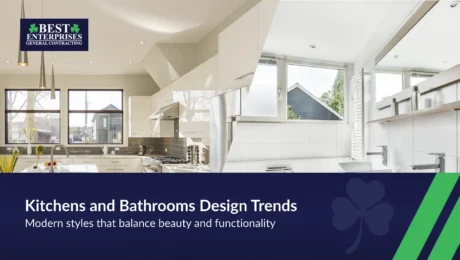
Kitchens and bathrooms are more than just spaces for culinary experiments and quick showers. Personal sanctuaries reflect our taste, lifestyle, and commitment to sustainability; kitchen and bathroom design trends are no different. Let’s explore the design trends setting the tone for these essential spaces.
Trend 1: Sustainability and Eco-Friendly Materials:
The movement toward sustainability in kitchen and bathroom designs reflects a broader shift towards eco-conscious living. Homeowners are increasingly opting for materials that look good and have minimal environmental impact.
Bamboo, for instance, is a popular choice due to its rapid regrowth rate, making it a highly renewable resource. Recycled glass countertops offer a durable and visually appealing surface, turning waste into a functional art piece. Reclaimed wood, another eco-friendly material, brings warmth and character to spaces while reducing the demand for new lumber. These materials contribute to a greener home by utilizing resources more responsibly, reducing emissions, and often improving indoor air quality by avoiding materials treated with harmful chemicals.
Trend 2: Smart Technology Integration:
Smart technology integration in kitchens and bathrooms boosts both convenience and efficiency by leveraging the latest innovations to make everyday tasks simpler and more intuitive.
In the kitchen, voice-controlled faucets can adjust water temperature and flow on command, while smart refrigerators manage grocery lists and suggest recipes based on their contents.

In bathrooms, LED mirrors with touch control offer customizable lighting and smart toilets provide hygiene and comfort features like seat warmers and self-cleaning capabilities. These examples illustrate the seamless integration of technology into home environments, enhancing functionality and user experience.
Trend 3: Bold Colors and Textures:
Gone are the days of playing it safe with neutral palettes. 2024 sees a bold use of colors and textures, with deep blues, greens, and even black making dramatic appearances. These colors, paired with tactile surfaces like embossed tiles and patterned wallpapers, create a sensory experience that adds depth and character to any room.
For instance, a vibrant backsplash or a single textured wall can become a focal point while the rest of the room maintains a neutral palette. Mixing textures with a similar color scheme can add depth without visual clutter. Finally, using reflective surfaces like glass or polished metal can help distribute light, balancing out heavier textures or darker colors to keep the space open and airy.
For more color idea visit our blog
Trend 4: Minimalist and Functional Designs:
Despite the boldness in color and texture, the overarching design ethos leans towards minimalism and functionality. The minimalist trend in kitchen and bathroom design emphasizes simplicity and functionality, aiming for a clean, uncluttered look that still meets all user needs.
Achieving this involves selecting furnishings and fixtures with sleek, simple lines and ensuring everything has its place, reducing visible clutter. Utilizing innovative storage solutions, such as built-in cabinets, hidden drawers, and multi-functional furniture, allows for a tidy appearance while maximizing available space. This approach creates serene, spacious, stylish, and practical rooms by focusing on essential items and efficient storage.
Conclusion:
The evolving landscape of home design, incorporating the latest trends in kitchen and bathroom remodels, can significantly enhance your home’s aesthetic appeal and functionality. These trends offer a glimpse into the future of interior design, focusing on sustainability, smart technology, bold aesthetics, and minimalist functionality.
Best Enterprises General Contractor specializes in bringing these modern designs to life. With their expertise in state-of-the-art home improvements, they can guide you through integrating these trends into your remodel, ensuring a seamless blend of style and practicality for your space.
Maximizing Storage Space in Small Kitchens: Tips and Tricks

Families and friends often gather in the kitchen to cook, chat, and connect but for those with limited room, maximizing storage space in small kitchens can be a major challenge. Tight counters, cluttered cabinets, and minimal organization can make even everyday tasks feel overwhelming. Fortunately, with a few smart strategies and guidance from experienced kitchen remodeling contractors homeowners can turn their cramped kitchens into efficient, stylish spaces.
Tips and Tricks Maximizing Storage Space in Small Kitchens

Maximizing storage space in a small kitchen can seem daunting, but it can be easily achieved with a few tips and tricks. Here are some practical solutions that can help you make the most of your limited kitchen space:
- Use every inch of space: Every little bit of space matters in a small kitchen. Maximize vertical areas by installing open shelves or wall hooks for pots, pans, and utensils. Add racks or hooks to the sides of cabinets or inside doors. Don’t forget the space under your sink pull-out trays or shelves can help organize cleaning supplies without wasting room.
- Choose multi-functional furniture: In small kitchens, furniture that does double duty is a game-changer. Try a kitchen island that also offers seating and storage. Fold-down tables or compact rolling carts can give you extra prep space when needed — then tuck away when not in use.
- Organize Drawers and Cabinets: Deep drawers and cabinets often become messy and hard to manage. Use drawer organizers to keep utensils, spices, and gadgets in place. Add dividers to store larger items like cutting boards or pans separately. Pull-out shelves can make lower cabinets easier to access, especially under the sink or in corner units.
- Install pull-out shelves: Deep cabinets can be difficult to navigate, especially when reaching items at the back. Install pull-out shelves to make it easier to access your cabinets. You can also use pull-out shelves for under-the-sink storage or for storing pots and pans.
- Invest in vertical storage: Walls and ceilings are valuable storage areas. Consider a pegboard for utensils, a magnetic strip for knives, or a hanging pot rack. You can also place decorative baskets or storage boxes above your cabinets to store infrequently used items neatly.
- Get creative with storage solutions: Thinking outside the box pays off in small kitchens. Hang a tension rod under the sink to hold spray bottles. Use an over-the-door shoe organizer on your pantry door to store snacks, canned goods, or cleaning items.
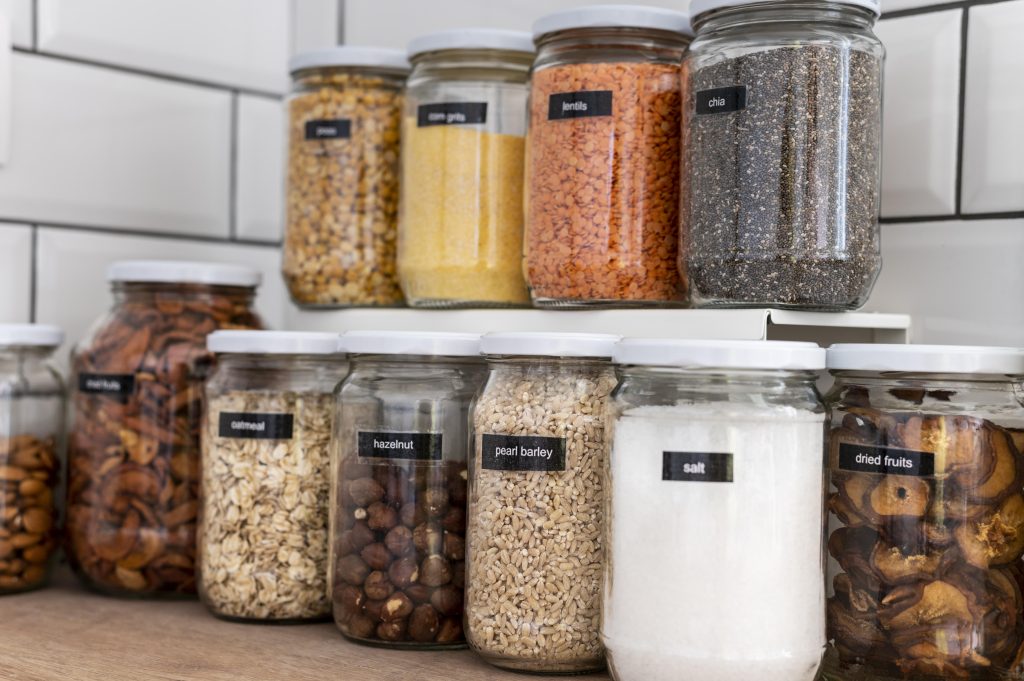
- Use clear containers: Storing dry goods like rice, flour, and sugar in clear, airtight containers makes it easier to see what you have. It also keeps your pantry looking neat and helps reduce waste by avoiding overbuying.
- Declutter regularly: Make decluttering a habit. Donate or toss duplicate utensils and gadgets you don’t use. Keeping only the items you need will help your kitchen stay functional, clean, and pleasant to work in.
Benefits of keeping your Kitchen clutter-free

Benefits of Keeping your kitchen clutter-free Keeping your kitchen clutter-free can significantly impact your home’s energy, creating a positive, clean, and efficient environment. Here are some benefits:
- Promotes mindfulness: A tidy kitchen helps you stay present and calm.
- Creates a positive atmosphere: Clean spaces uplift your mood.
- Encourages healthy habits: It’s easier to cook nutritious meals in an organized space.
- Boosts productivity: You can focus better when your kitchen is clutter-free.
- Inspires creativity: A clean space encourages you to try new recipes.
- Reduces stress: Orderly surroundings promote relaxation.
- Fuels a sense of accomplishment: Maintaining cleanliness builds pride in your space.
- Improves hygiene: Clean kitchens are easier to keep sanitary.
- Supports a healthy lifestyle: A neat kitchen makes healthy living more achievable.
- Feels more welcoming: Guests and family members will enjoy the inviting space.
Kitchen Remodeling Contractors & General Contractors can Assist

For a kitchen remodel can be valuable assets when renovating your kitchen. They can assist in the following ways:
- Design and Planning: They help design a kitchen that meets your needs and fits your budget. From layout to materials, they guide you through every decision.
- Permits and Regulations: General kitchen remodeling contractors know local building codes and regulations. They can help you obtain the necessary permits for your kitchen renovation and ensure that your project complies with all applicable regulations.
- Construction and Installation: Kitchen remodeling contractors can manage the construction and installation of your new kitchen. They can organize all the required professions, including carpenters, plumbers, and electricians, to guarantee that your project is finished on schedule and to your satisfaction.
- Quality and Efficiency: Kitchen remodeling contractors have the experience to complete your project efficiently. They also ensure the highest quality work. They can help you select the best materials and appliances for your kitchen, and they can ensure that your renovation is completed promptly and efficiently.
- Budgeting and Cost Control: They can help you stay within your budget by providing cost estimates and identifying areas where you can save money. Additionally, they can assist you in avoiding costly errors that could raise the entire cost of your project.
Overall, working with a kitchen remodeling contractor or a general contractor for kitchen remodel can help make your kitchen renovation project smoother, more efficient, and more successful.
Best Enterprises General Contracting
With smart planning and expert help, even the smallest kitchen can become a dream space. Whether you’re working with a general contractor or hiring a kitchen remodeling specialist, Best Enterprises General Contracting is here to help.
We’ll guide you through layout, organization, lighting, and more turning your cramped kitchen into an efficient, stylish space. Contact our team today to get started!
- 1
- 2