
Multi-Level Decks: Design Ideas & Practical Considerations
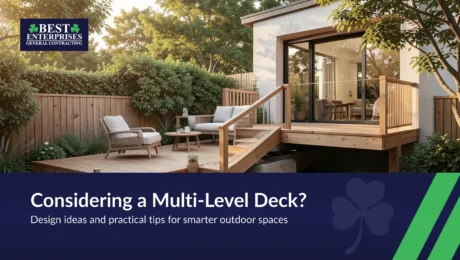
A well-designed deck can completely change how you use your backyard. But if you want more than a simple platform, a multi level deck design offers flexibility, style, and serious functionality. Whether you’re working with a sloped yard or just want defined outdoor living zones, multi-level decks give you room to entertain, relax, and add value to your home.
In this guide, you’ll discover smart multi level deck ideas, practical planning tips, cost considerations, and what to know before building. If you’re considering a custom outdoor space in the U.S., this article will help you make informed decisions before construction begins.
What is a Multi-Level Deck?
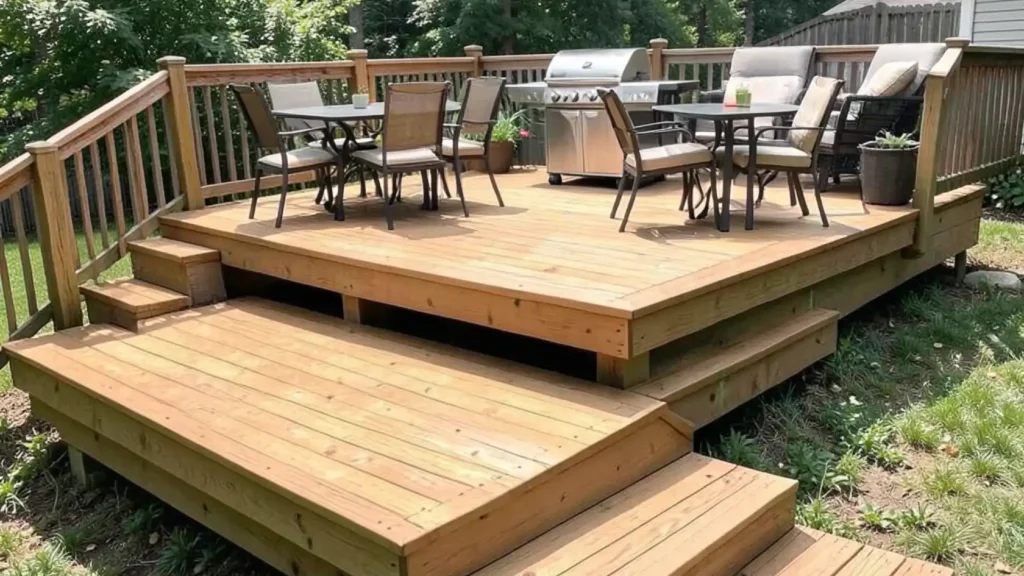
A multi-level deck features two or more connected platforms built at different heights. Instead of one flat surface, the deck steps down or up in tiers. Each level can serve a different purpose: dining on one, lounging on another, and grilling on a separate section.
This layout works especially well for:
- Sloped backyards
- Homes with walk-out basements
- Large families who entertain often
- Homeowners wanting a structured outdoor layout
Unlike a traditional single-level deck, this design allows you to create defined spaces without walls. That’s why multi level deck design ideas for backyard renovations continue to grow in popularity across the U.S.
Why Homeowners Love Multi Level Deck Designs
1. Maximizes Usable Outdoor Space
Instead of fighting your yard’s slope, you can work with it. Tiered construction reduces the need for extensive grading while creating natural transitions between areas.
For example:
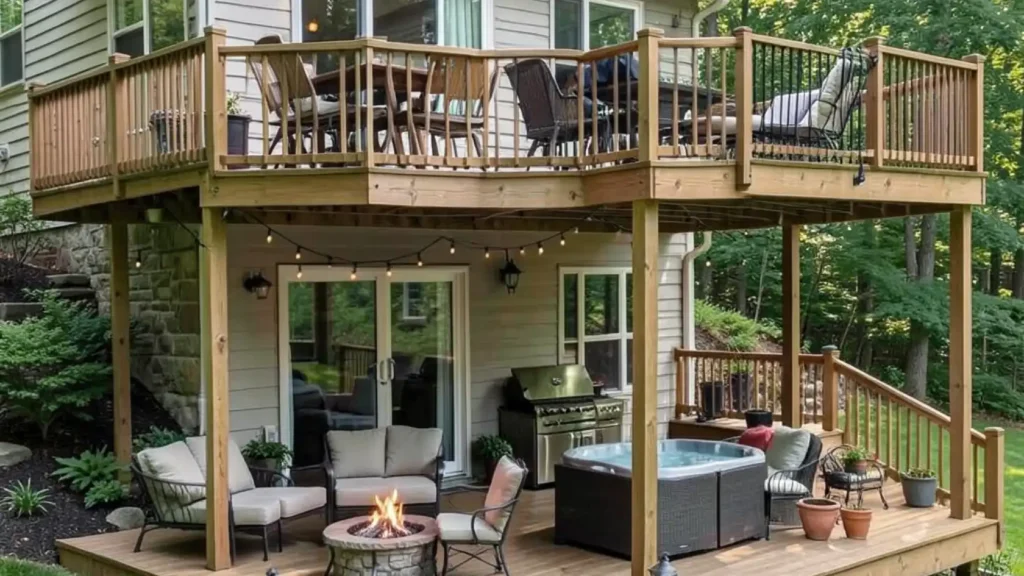
- Upper level: dining table near the kitchen
- Middle level: casual seating or outdoor kitchen
- Lower level: fire pit or hot tub
This separation improves flow and prevents overcrowding when guests gather.
2. Boosts Property Value
According to the National Association of Realtors, outdoor living upgrades consistently rank high among projects that appeal to buyers. A professionally built deck increases visual appeal and functional space, which can make your home stand out in competitive markets.
3. Improves Entertaining and Traffic Flow
With a single deck, everything happens in one place. A multi-level layout naturally directs movement. Guests can circulate between areas without blocking the grill or bumping into furniture.
Multi Level Deck Ideas to Inspire Your Backyard
Let’s explore design approaches that balance style and practicality.
1. Tiered Entertaining Zones
This is one of the most requested multi level deck ideas. The upper tier connects to your home’s main entrance. From there, wide stairs lead down to a relaxed seating area with built-in benches. This layout feels intentional and organized.
2. Modern Multi Level Deck Design
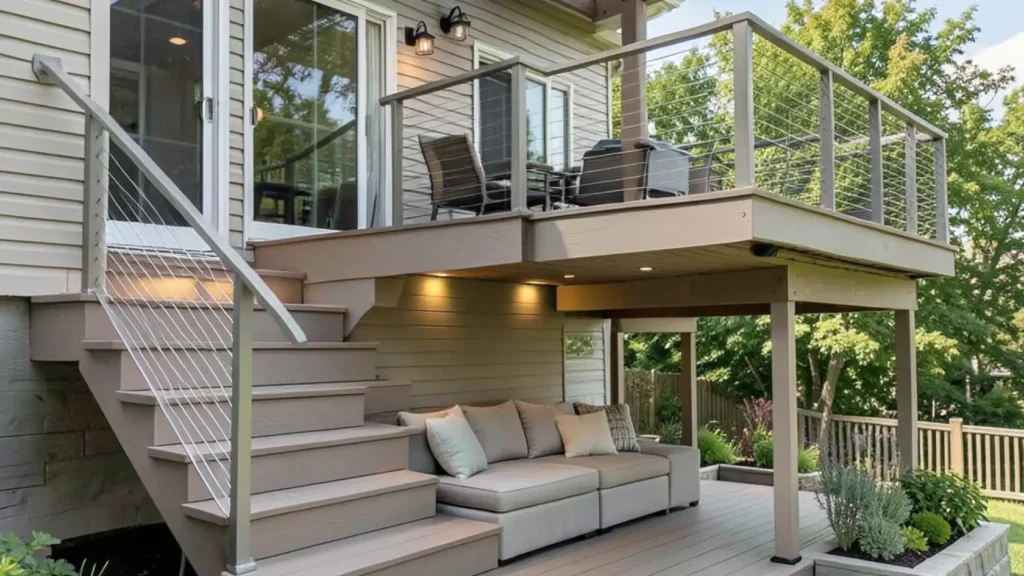
A modern multi level deck design typically features:
- Composite decking in neutral tones
- Horizontal cable railing systems
- Integrated LED stair lighting
- Clean lines with minimal ornamentation
Composite materials have grown in popularity because they resist fading, splintering, and insect damage. Many brands now offer 25-year warranties.
3. Backyard Designs for Sloped Terrain
Sloped yards can be expensive to level. Multi-tier decks eliminate that need. By building at staggered elevations, contractors reduce soil disturbance and improve drainage management.
You can also integrate retaining walls or planters into the structure for added visual interest.
4. Covered and Open Combinations
Some homeowners add a pergola or covered upper level while leaving the lower level open to the sky. This creates shade without sacrificing sunlight entirely.
How to Plan a Multi Level Deck Design
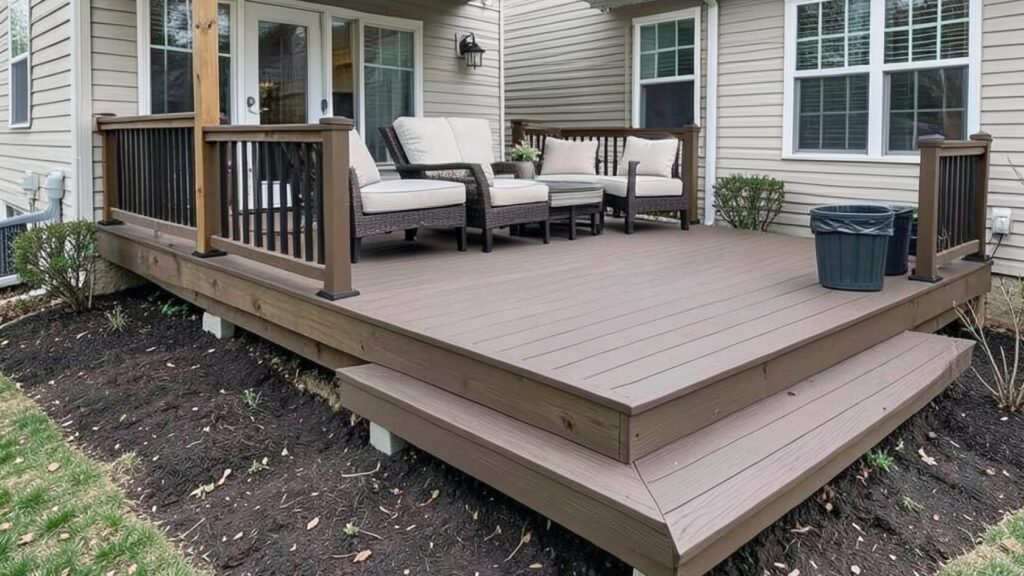
Careful planning makes the difference between a deck that looks good and one that functions well for decades.
1. Assess Your Yard Layout
Start with elevation changes and drainage patterns. Water should flow away from your home and not pool between tiers. A contractor will measure soil conditions and determine appropriate footing depth based on local frost lines.
In many U.S. regions, frost depth can range from 12 to 48 inches. Proper footing placement prevents shifting during freeze-thaw cycles.
2. Define the Purpose of Each Level
Before finalizing your design, ask yourself:
- Will you host large gatherings?
- Do you want an outdoor kitchen?
- Is privacy important?
- Do you plan to add a hot tub or fire feature?
Each purpose affects load requirements and layout.
3. Choose the Right Materials
Your material choice affects cost, maintenance, and lifespan.
4. Pressure-treated lumber
- Affordable upfront
- Requires staining and sealing every 2–3 years
5. Composite decking
- Higher initial cost
- Minimal maintenance
- Long lifespan
6. PVC decking
- Lightweight
- Moisture-resistant
- Ideal for humid climates
In coastal or humid states, composite or PVC often outperforms natural wood over time.
How to Build a Multi Level Deck (Step-by-Step Overview)
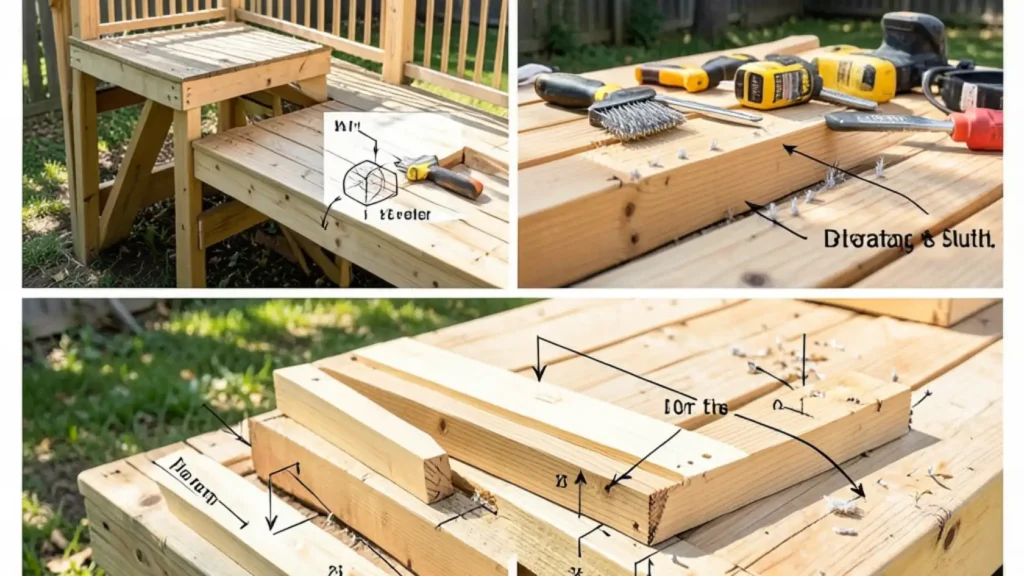
If you’re researching how to build a multi level deck, here’s a simplified overview of the process. While experienced DIYers can attempt it, most homeowners benefit from hiring a licensed contractor.
Step 1: Design and Engineering
A contractor creates detailed drawings that account for weight loads, joist spacing, stair placement, and railing height. Structural integrity matters more in multi-tier designs because of height changes.
Step 2: Permits and Local Codes
Most U.S. municipalities require permits for elevated decks. Codes typically regulate:
- Guardrail height (usually 36–42 inches)
- Stair rise and run dimensions
- Ledger board attachment methods
You can review model building standards through the International Code Council, though local rules may vary.
Step 3: Foundation and Framing
Concrete footings anchor support posts below the frost line. Builders then construct beams and joists to form the deck’s skeleton.
Precision matters here. Poor framing can lead to sagging or uneven levels.
Step 4: Decking, Railings, and Stairs
Deck boards are installed perpendicular to joists. Railings and staircases connect levels seamlessly. Lighting and built-in seating often go in at this stage.
Step 5: Inspection and Finishing Touches
After inspection approval, contractors apply finishes (if using wood) and complete final adjustments.
Practical Considerations Before Installation
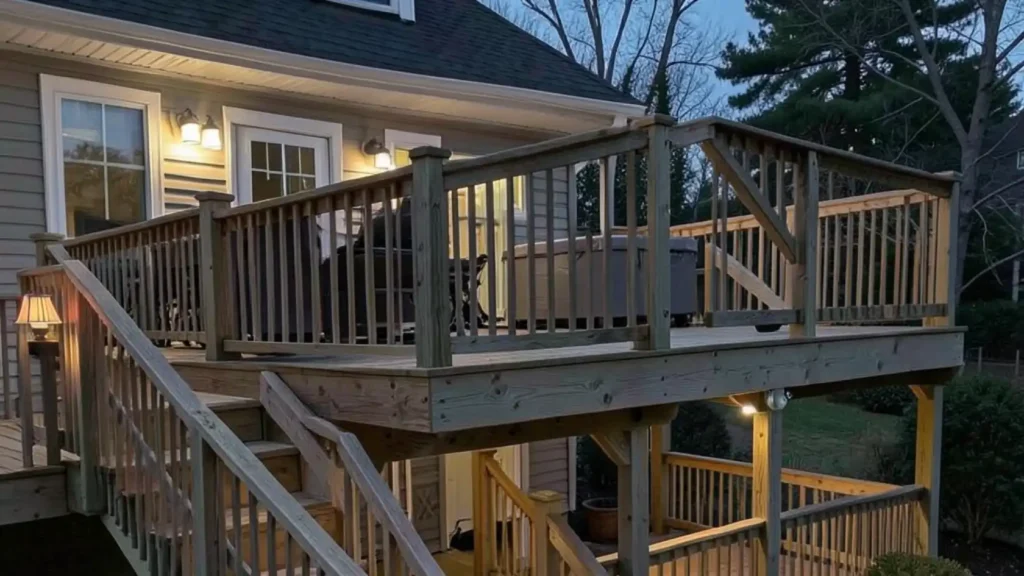
1. Safety and Structural Strength
Multi-level decks require careful load calculations, especially if you plan to install heavy features like hot tubs or outdoor kitchens. Always confirm that your structure meets residential load requirements.
2. Maintenance Requirements
Wood decks require consistent upkeep. Composite materials reduce maintenance but still need occasional cleaning.
Plan for:
- Annual inspections
- Cleaning debris between boards
- Checking fasteners and railings
3. Drainage and Water Control
Water runoff from upper tiers should not damage lower levels. Contractors often install flashing and drainage systems to protect structural components.
4. Accessibility and Stair Design
Wide staircases improve safety and traffic flow. Adding lighting along steps reduces fall risks at night.
How Much Does a Multi-Level Deck Cost in the U.S.?
Costs vary based on size, material, and region. On average:
- Basic pressure-treated multi-level decks: $35–$50 per square foot
- Composite multi-level decks: $45–$70+ per square foot
Complex layouts with built-in kitchens, pergolas, or premium railings increase overall costs.
Labor accounts for a significant portion of total investment, especially when engineering and custom carpentry are involved.
Modern Trends in Multi Level Deck Design
Outdoor living continues to evolve. Popular features include:
- Built-in benches with storage
- Integrated LED lighting
- Cable or glass railing systems
- Outdoor kitchens and bars
- Eco-friendly decking materials
Homeowners increasingly treat decks as outdoor rooms rather than simple add-ons.
Why Professional Installation Matters
Building a multi-level deck involves structural engineering, code compliance, and precision craftsmanship. Hiring experienced professionals reduces costly mistakes and ensures long-term durability.
At Best Enterprises General Contracting, our team specializes in designing and building custom decks tailored to your property and lifestyle. We handle permits, structural planning, and material selection so you can focus on enjoying your outdoor space.
If you’re exploring multi level deck design ideas for backyard transformation, working with experts ensures your project meets local codes and stands the test of time.
Ready to Transform Your Backyard?
A thoughtfully planned multi level deck design creates defined spaces, improves flow, and enhances your home’s value. Whether you prefer a traditional wood layout or a modern multi level deck design with composite materials, the right plan makes all the difference.
If you’re ready to explore how to build a multi level deck that fits your home and budget, contact Best Enterprises General Contracting today. Schedule a consultation and take the first step toward a functional, beautiful outdoor living space built to last.
Best Decking Materials for Long-Lasting Outdoor Living
A deck should feel like an extension of your home, not a weekend repair project waiting to happen. Whether you’re hosting summer cookouts, relaxing with family, or increasing your home’s resale value, choosing the best decking material makes all the difference.
The right material affects durability, safety, maintenance costs, and long-term value. Climate, budget, and lifestyle all play a role in determining the best materials for outdoor decks. In this guide, we’ll break down the top options: pressure-treated wood, cedar, composite decking materials, PVC decking boards, aluminum, and more so you can make a confident, informed decision.
What Makes the Best Decking Material for Outdoor Living?
There isn’t a one-size-fits-all answer. The best choice depends on how you plan to use your deck and where you live.
Durability in Different U.S. Climates
Weather impacts performance more than most homeowners realize.
- South & Southwest: Intense heat and UV exposure can cause fading and surface damage. Composite and PVC products with UV protection perform well here.
- Southeast & Coastal States: High humidity and salt air demand moisture-resistant materials. PVC decking boards excel in these environments.
- Northeast & Midwest: Freeze–thaw cycles stress traditional wood. Composite decking materials resist cracking and splitting better than untreated lumber.
Matching material to climate protects your investment and reduces future repairs.
Maintenance Requirements
Every decking material comes with upkeep expectations.
Pressure-treated wood requires staining and sealing every 1–3 years. Cedar needs regular sealing to preserve its color. Composite and PVC boards require occasional cleaning but no sealing. Aluminum needs little more than routine washing.
If you want the best low maintenance decking boards for outdoor living, composite and PVC typically top the list.
Budget vs. Long-Term Value
Upfront price matters but lifecycle cost matters more.
- Pressure-treated wood costs less initially but demands ongoing maintenance.
- Composite and PVC cost more upfront yet last significantly longer.
- Aluminum carries a premium price but can last 40–50 years.
According to industry remodeling reports from the National Association of Home Builders (NAHB), outdoor upgrades like decks consistently rank among projects that improve resale appeal. Choosing the right material can strengthen ROI when it’s time to sell.
Pressure-Treated Wood – Affordable and Traditional
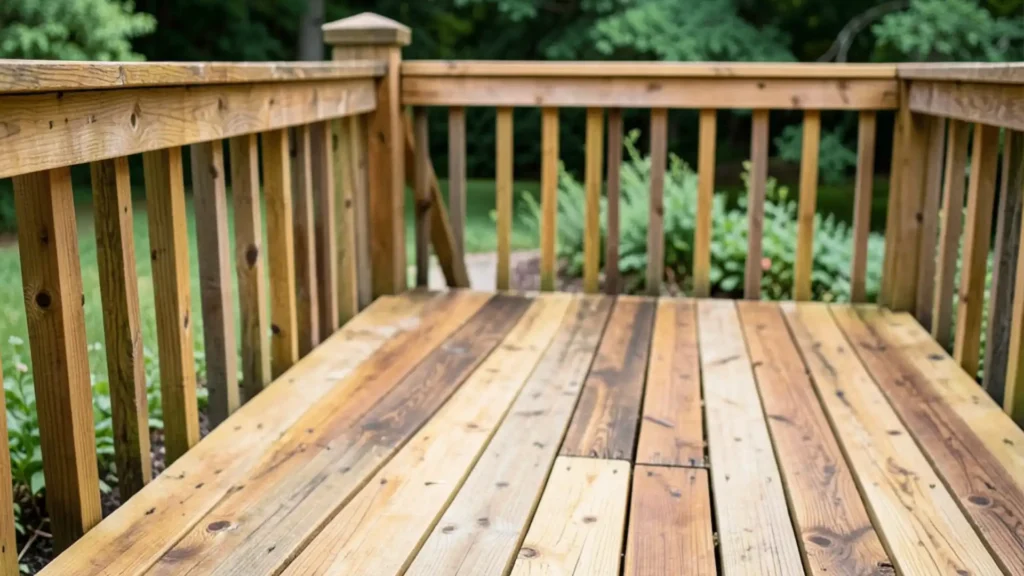
Pressure-treated lumber remains one of the most widely used decking materials in the United States. It’s easy to source and budget-friendly.
Why It’s Popular
Homeowners often choose pressure-treated wood because:
- It offers the lowest upfront cost.
- Contractors can easily customize it.
- It provides a classic wood appearance.
Pros and Cons
Pros:
- Affordable and accessible
- Simple to repair
- Natural wood look
Cons:
- Requires regular staining and sealing
- Prone to warping, cracking, and splintering
- Shorter lifespan (typically 10–15 years with maintenance)
Best For
Pressure-treated wood works well for homeowners seeking cost-effective solutions and those comfortable with ongoing maintenance. It’s not usually considered the best decking material for long-term, low-maintenance living but it fits tighter budgets.
Cedar and Redwood – Natural Beauty with Moderate Maintenance
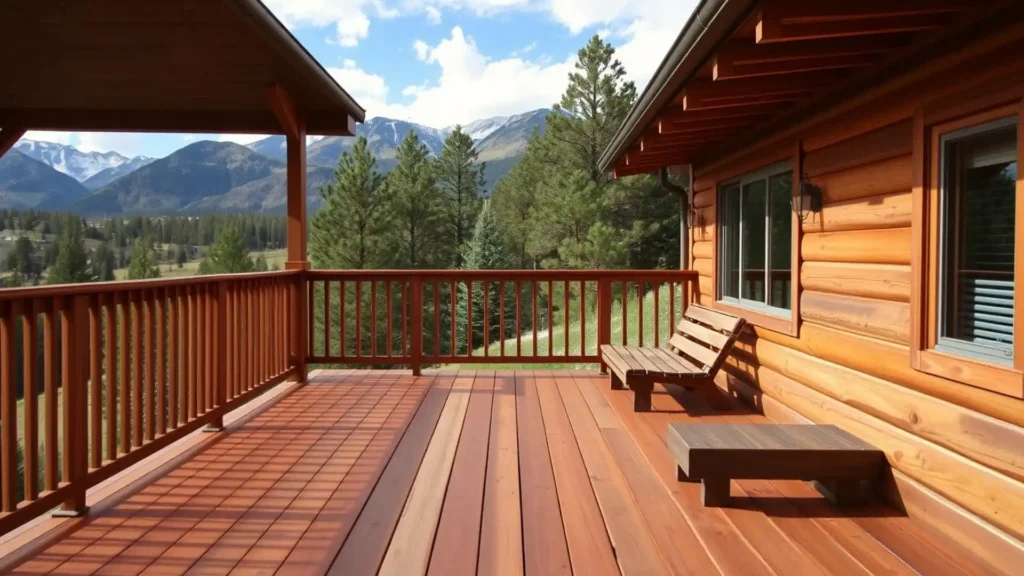
Cedar and redwood appeal to homeowners who value natural aesthetics. These woods contain natural oils that resist insects and decay.
1. Natural Resistance to Rot and Insects
Cedar performs especially well in milder climates. It offers better durability than untreated lumber but still requires protection from moisture.
2. Maintenance Needs
Without sealing, cedar fades to a gray tone. Many homeowners appreciate that look, but maintaining the original color requires periodic sealing.
3. Is It Worth the Investment?
Cedar typically falls in the mid-range price category. It suits homeowners who prioritize appearance and are willing to maintain it.
Composite Decking Materials – Durability with Low Maintenance
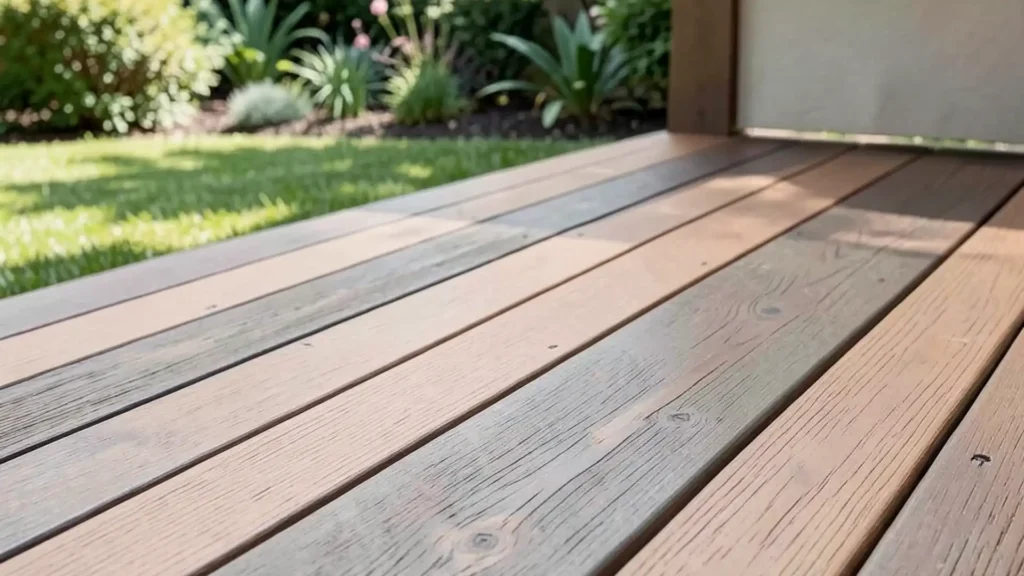
Composite decking materials combine recycled wood fibers and plastic. The result is a board that resists rot, insects, and splintering.
What Are Composite Decking Materials?
Manufacturers engineer composite boards to mimic real wood grain while eliminating many of wood’s weaknesses.
Benefits of Composite Decking
- Fade-resistant finishes
- No staining or sealing
- Long lifespan (20–30+ years)
- Consistent color and texture
Many homeowners consider composite a strong candidate for the best decking materials for outdoor living spaces because it balances durability and aesthetics.
Why It’s So Popular
Composite suits busy families who want durability without yearly upkeep. It also appeals to buyers in resale markets because it signals low maintenance.
PVC Decking Boards – Maximum Moisture Resistance
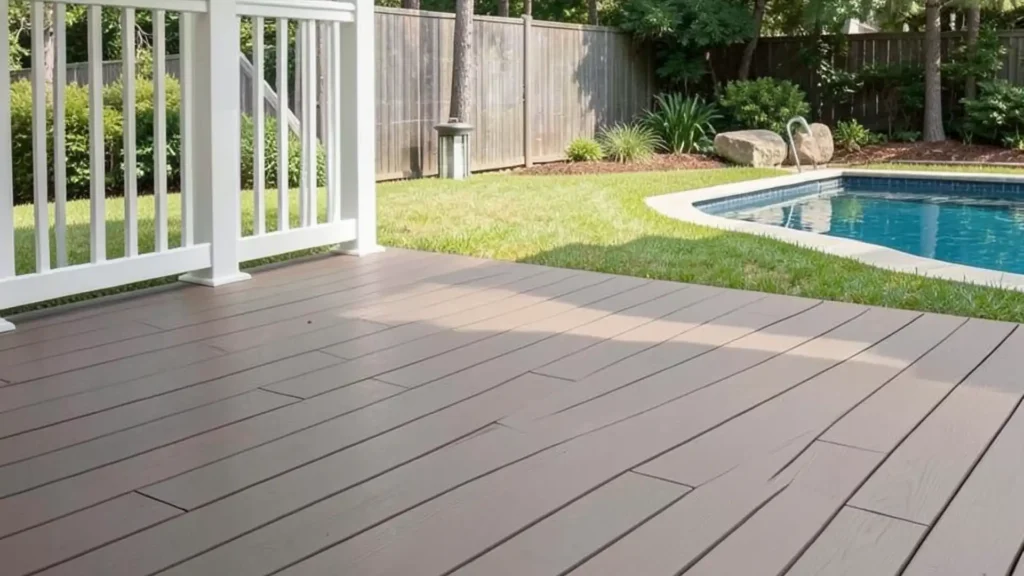
PVC decking boards contain no organic material. That makes them highly resistant to mold, mildew, and moisture damage.
What Makes PVC Different?
Unlike composite, PVC is fully synthetic. It won’t absorb water or support rot.
Key Advantages
- Extremely moisture-resistant
- Ideal for pool decks and coastal homes
- Minimal maintenance
- Long lifespan (often 30+ years)
Is PVC the Best Low Maintenance Decking Board for Outdoor Living?
For homeowners in humid climates or near water, PVC often stands out as one of the best low maintenance decking boards for outdoor living. It typically costs more than composite but delivers excellent moisture protection.
Aluminum Decking – Premium and Long-Lasting Option
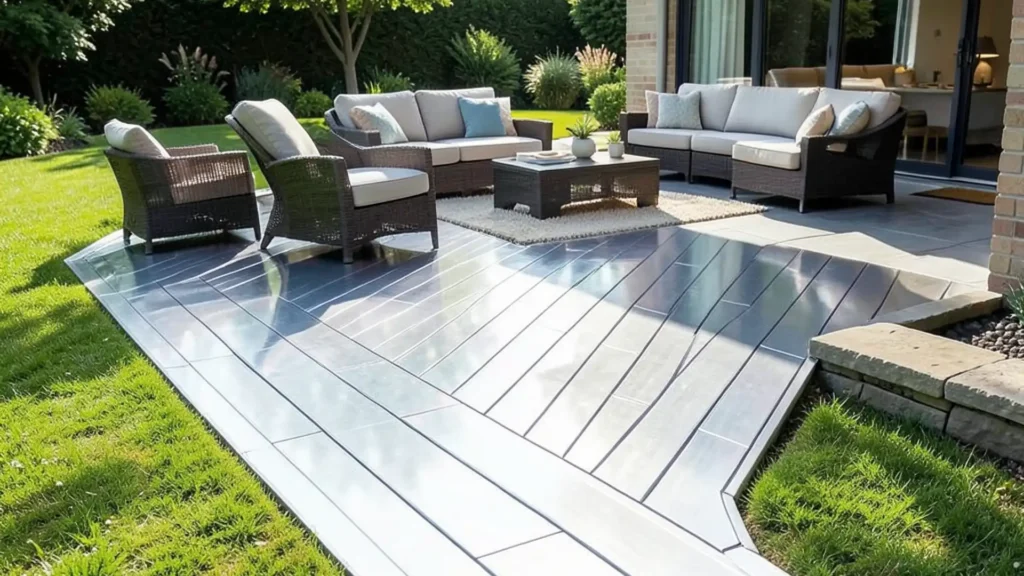
Aluminum decking isn’t as common, but it offers impressive strength and longevity.
Why It’s Gaining Popularity
- Fire-resistant
- Slip-resistant
- Resistant to rust and insect damage
Pros and Cons
Aluminum can last 40–50 years or more. However, it comes with a higher upfront investment. It works well in wildfire-prone regions and for homeowners planning to stay long term.
Comparing the Best Materials for Outdoor Decks
Here’s a quick overview:
Material | Lifespan | Maintenance | Climate Suitability | ROI Potential |
Pressure-Treated Wood | 10–15 yrs | High | Mild climates | Moderate |
Cedar/Redwood | 15–20 yrs | Moderate | Dry climates | Moderate |
Composite | 20–30+ yrs | Low | Most U.S. climates | High |
PVC | 30+ yrs | Very Low | Humid/coastal | High |
Aluminum | 40–50+ yrs | Very Low | Harsh climates | Long-term |
Which is the Best Decking Material for Your Home?
- Budget-conscious homeowners: Pressure-treated wood
- Luxury outdoor living spaces: Composite or PVC
- Low-maintenance priorities: PVC or composite
- Harsh climate areas: Aluminum or PVC
How to Choose the Best Decking Materials for Outdoor Living Spaces
Start with your lifestyle.
1. Consider Your Lifestyle
If you entertain often, choose materials that resist stains and wear. Families with kids and pets benefit from splinter-free surfaces like composite or PVC. Pool or waterfront properties demand moisture resistance.
2. Think About Long-Term Maintenance
Ask yourself:
- How much time do I want to spend on upkeep?
- Am I comfortable resealing every few years?
- Do I want a “set it and forget it” option?
Answering these questions narrows your choices quickly.
3. Work with a Professional Contractor
Installation quality affects durability just as much as material choice. Proper framing, ventilation, and fastening systems extend the life of your deck and protect manufacturer warranties.
You can explore professional deck installation services at Best Enterprises General Contracting to see examples of durable, climate-appropriate designs.
Why Homeowners Trust Best Enterprises General Contracting for Deck Installation
Choosing the right material matters. Installing it correctly matters even more.
Best Enterprises General Contracting designs decks that match climate conditions, lifestyle needs, and long-term goals. Our team focuses on:
- Custom deck design
- Durable framing systems
- Premium materials
- Clear, detailed estimates
We guide homeowners through every step so they feel confident in their investment.
Conclusion
The best decking material isn’t simply the cheapest or the trendiest option. It’s the one that fits your climate, budget, and lifestyle.
Pressure-treated wood works for budget projects. Cedar offers natural beauty. Composite decking materials balance durability and style. PVC decking boards deliver exceptional moisture resistance. Aluminum provides unmatched longevity.
If you’re ready to upgrade your outdoor living space, schedule a consultation with Best Enterprises General Contracting. Let’s build a deck that looks great, performs well, and lasts for decades.
Top Porch and Deck Designs to Enhance Your Outdoor Living Space
A well-designed porch or deck can instantly turn unused space into a favorite part of your home. Whether you love hosting summer cookouts, reading in the shade, or simply enjoying a quiet evening outdoors, the right design can make your home feel bigger, more functional, and more welcoming. It also adds real value according to the 2024 Remodeling Cost vs. Value Report, a wood deck addition can recoup over 60% of its cost at resale, making it one of the strongest exterior upgrades for homeowners.
This guide covers the best porch and deck designs, materials, features, and planning tips to help you create an outdoor living space that fits your home, lifestyle, and budget. You’ll also see expert insights and real-world examples from Best Enterprises General Contracting to help you plan your project with confidence.
Porch vs. Deck: Which One Fits Your Home Best?

Choosing between a porch and a deck can transform how you enjoy your home’s outdoor space. While both add extra living areas and enhance your property, they serve very different purposes. Porches offer a sheltered, cozy spot to relax, while decks provide open-air versatility for entertaining and outdoor activities. Understanding their differences is key to selecting the perfect fit for your lifestyle and home.
What is a Porch?
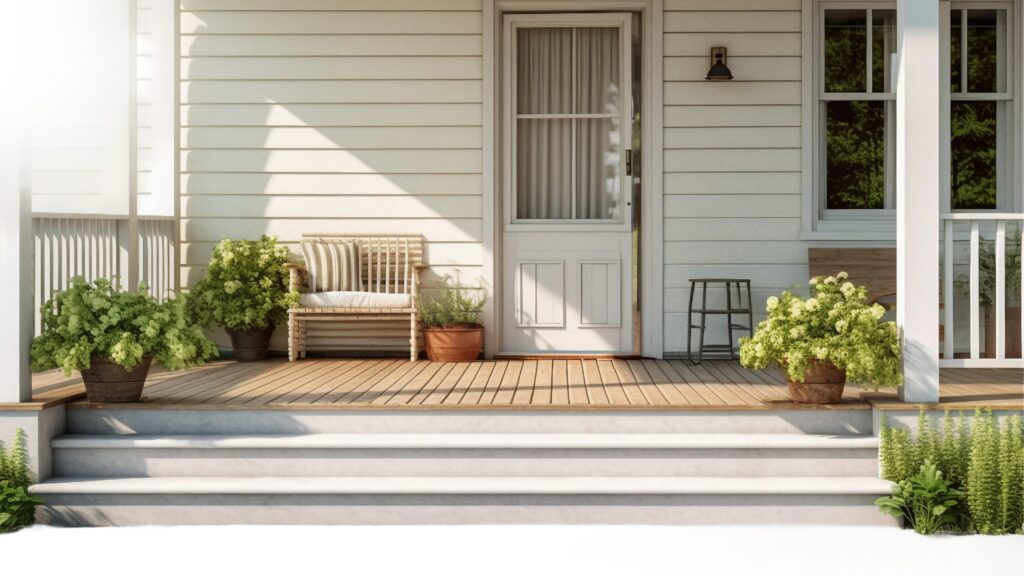
A porch is typically an attached, covered structure located at the front or back of a home. It’s great for shade, curb appeal, and all-season enjoyment especially when screened in or partially enclosed.
Best for:
- Homes on busy streets
- Humid or buggy climates
- Creating a welcoming entry
What is a Deck?
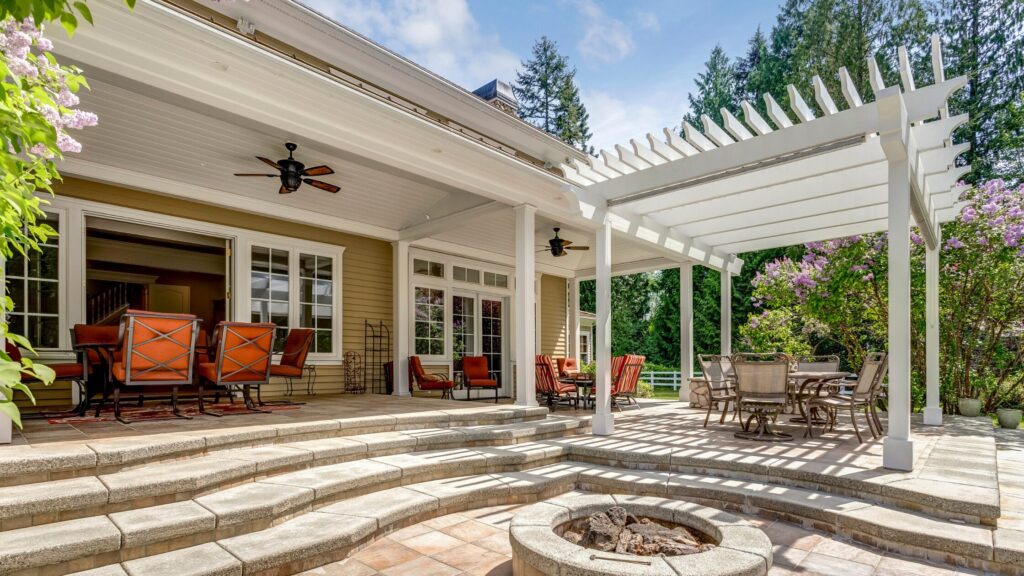
A deck is usually an open, elevated platform built from wood, composite, or PVC materials. Decks are ideal for entertaining, grilling, enjoying views, and maximizing backyard space.
Best for:
- Sloped or uneven yards
- Homes with great views
- Outdoor dining or lounging
Planning Your Porch or Deck Project the Right Way

Designing a great outdoor living space starts long before construction. Thoughtful planning helps avoid costly mistakes and ensures the final result fits your home and lifestyle.
Define How You’ll Use the Space
A great question to start with:
“What do I want to do here?”
- Hosting gatherings?
- Reading and relaxing?
- Outdoor cooking?
- Creating a kids’ play zone?
Your answer helps shape size, layout, and features.
Evaluate Sun, Shade, Privacy & Views
Sunset glare, road noise, and nearby neighbors all influence your design. For example:
- A south-facing porch may need fans and screens for hot summers.
- A deck overlooking a yard benefits from glass or cable railings to preserve views.
- A tight suburban lot often needs privacy panels or pergolas.
Permits & Building Codes Matter
Local building codes dictate requirements like railing height, footing depth, and structural supports. A licensed contractor such as Best Enterprises General Contracting handles these details for you keeping your project safe and code-compliant.
Work With a Professional Builder
A professional team guides you through:
- Initial consultation
- 3D design concepts
- Material selection
- Permits and logistics
- Construction and walkthrough
This ensures the new space blends seamlessly with your home.
Top Porch Design Ideas to Elevate Your Outdoor Living Space
Porches come in a wide range of styles, and the right design can dramatically enhance your home’s character, comfort, and curb appeal.
1. Classic Front Porches for Timeless Appeal

Traditional front porches feature architectural details like columns, railings, and welcoming steps that frame your home’s facade. Add warm lighting, planters, and comfortable seating to create an inviting space that feels like an extension of your entryway.
Why homeowners love it: Ideal for neighborhood homes looking to boost charm, approachability, and curb appeal.
2. Wraparound Porches With Distinct Activity Zones
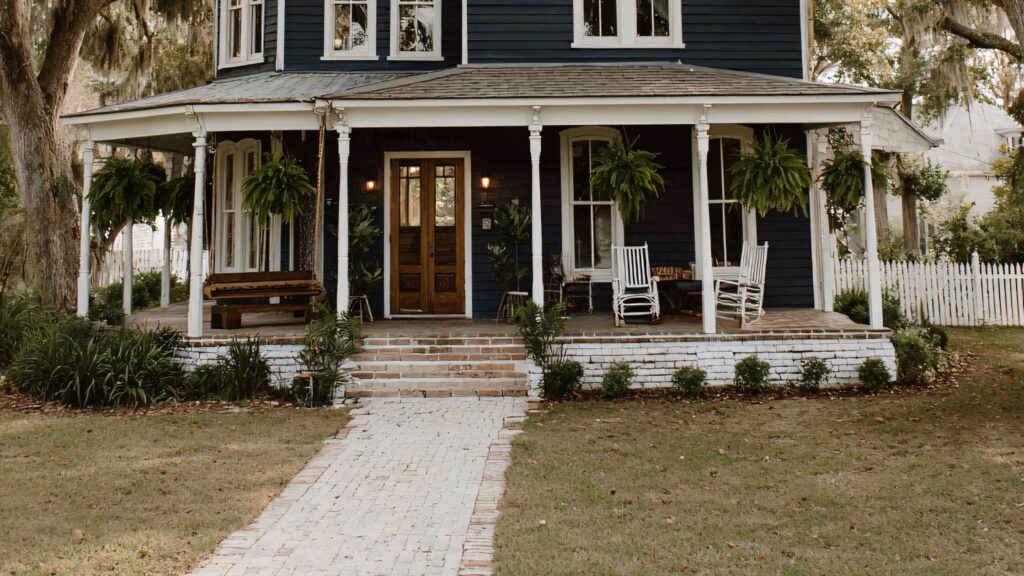
A wraparound porch offers more than beauty; it creates multiple functional areas. One side can host a quiet reading nook or breakfast space, while the other becomes a natural gathering area for guests.
3. Screened-In Porches for Comfortable, Bug-Free Lounging
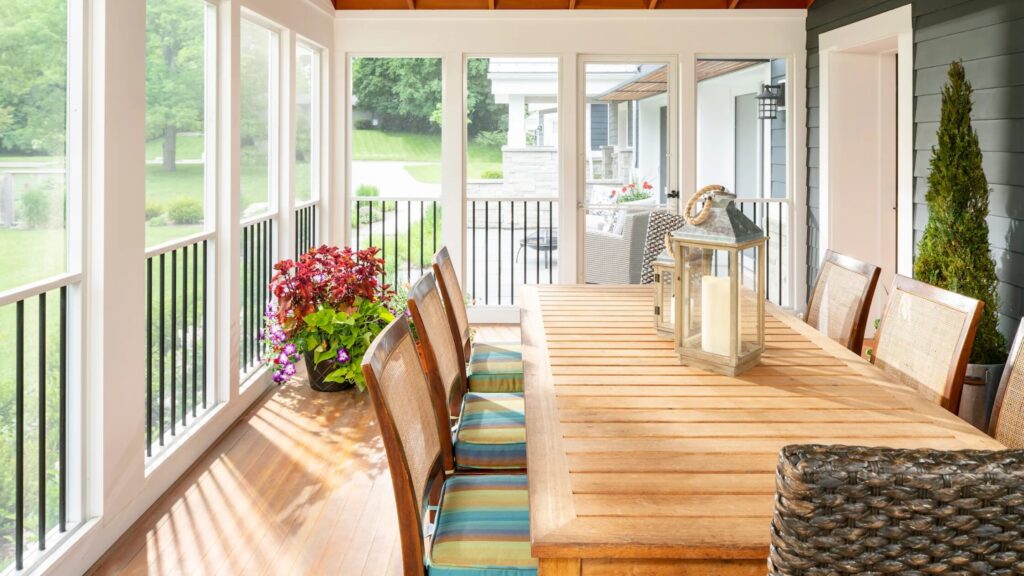
Perfect for wooded, coastal, or humid regions, screened porches eliminate pests while still providing fresh air and outdoor views. Add a ceiling fan, weather-resistant flooring, and cozy décor to enjoy morning coffee or evening relaxation without swatting mosquitoes.
4. Four-Season or Enclosed Porches
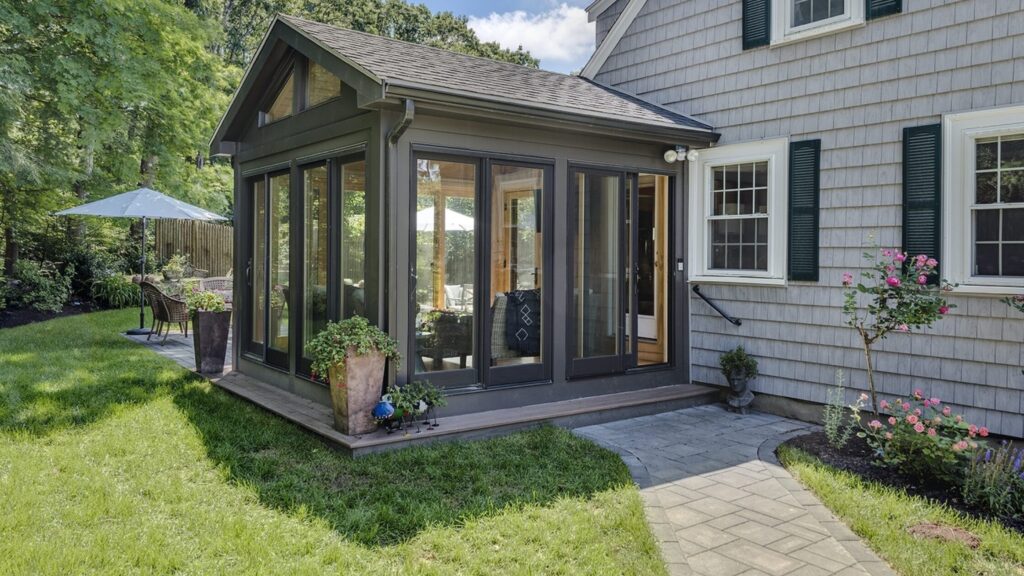
For homeowners who want an outdoor feel with year-round comfort, a four-season porch is ideal. Insulated walls, quality windows, and durable flooring make the space usable in all weather summer heat, fall breezes, or winter chill.
5. Farmhouse & Craftsman-Style Porches

Rustic wood elements, exposed beams, statement lighting, and tongue-and-groove ceilings anchor these porches in traditional American design. The result is a warm, welcoming space that blends craftsmanship with cozy charm.
Top Deck Design Ideas to Maximize Your Backyard
Whether you’re working with a compact suburban lot or a spacious property with scenic views, the right deck design can turn your backyard into a true outdoor oasis. Here are the top layouts that blend beauty, function, and lifestyle.
1. Single-Level Decks for Effortless Everyday Living
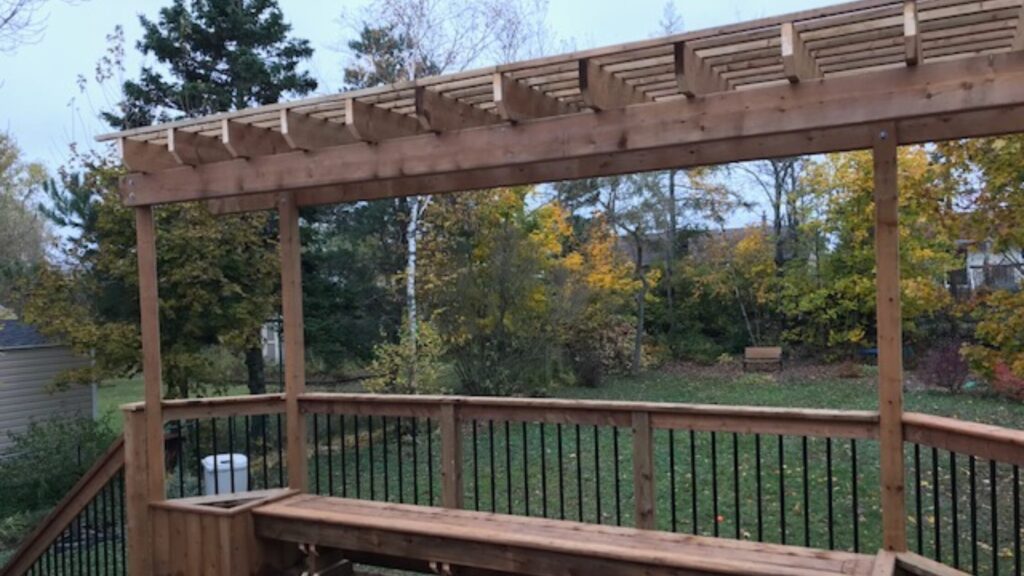
Clean, versatile, and budget-friendly, single-level decks create a smooth transition from your home to the outdoors. They’re ideal for grilling, dining al fresco, sunbathing, or simply relaxing with family and friends.
2. Multi-Level Decks for Sloped or Complex Terrain
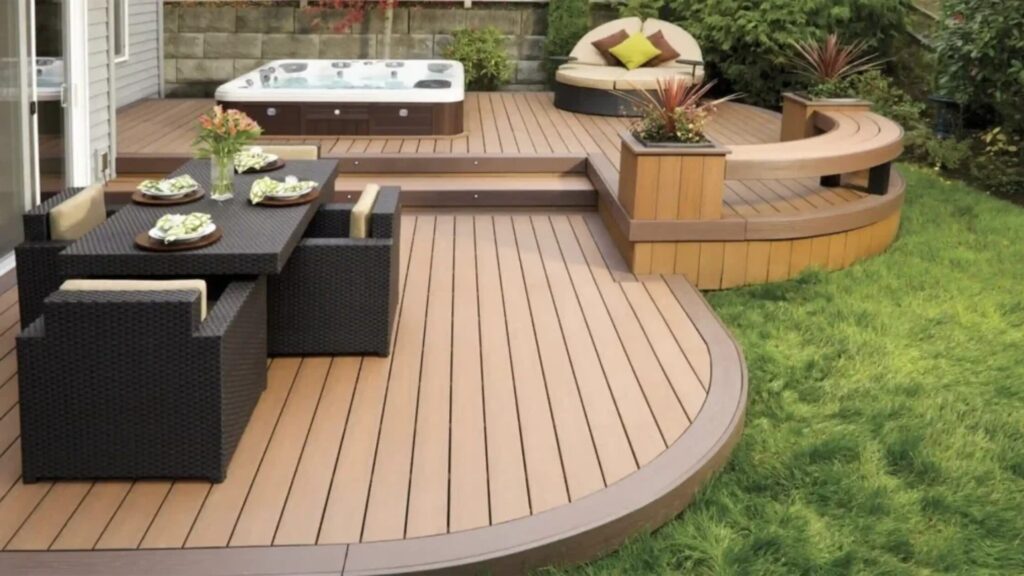
Uneven yards become an advantage with a multi-level design. Each tier can serve a distinct purpose: an upper level for cooking, a mid-level for lounging, and a lower level for kids or a fire pit area creating a dynamic layout that works with your landscape instead of against it.
3. L-Shaped & Wraparound Decks for Seamless Indoor–Outdoor Flow
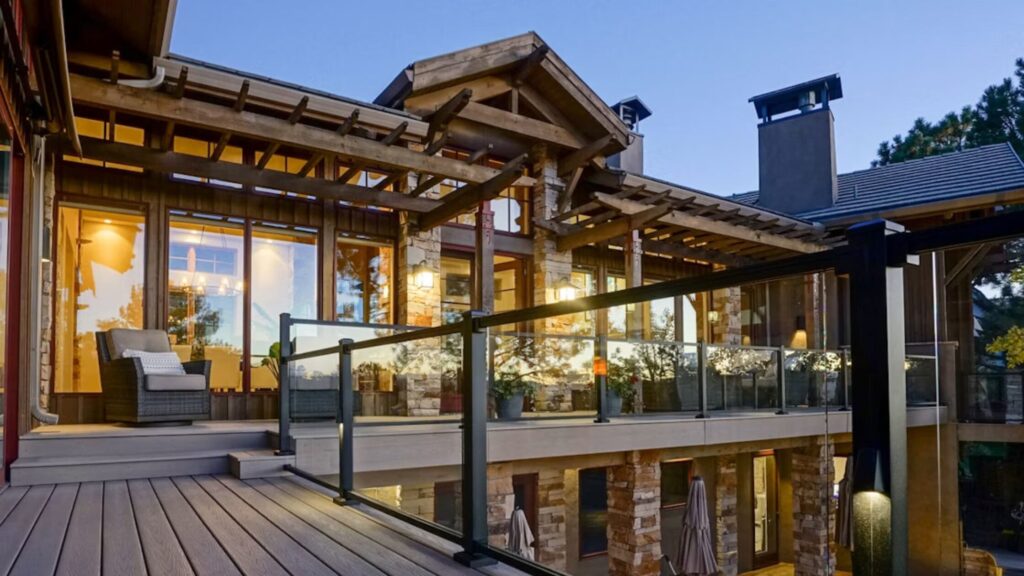
L-shaped and wraparound decks connect major interior rooms such as the kitchen, living room, and dining area to the outdoors with ease. This design enhances circulation, opens up your entertaining space, and makes hosting large gatherings effortless.
4. Rooftop Decks for Unmatched Views
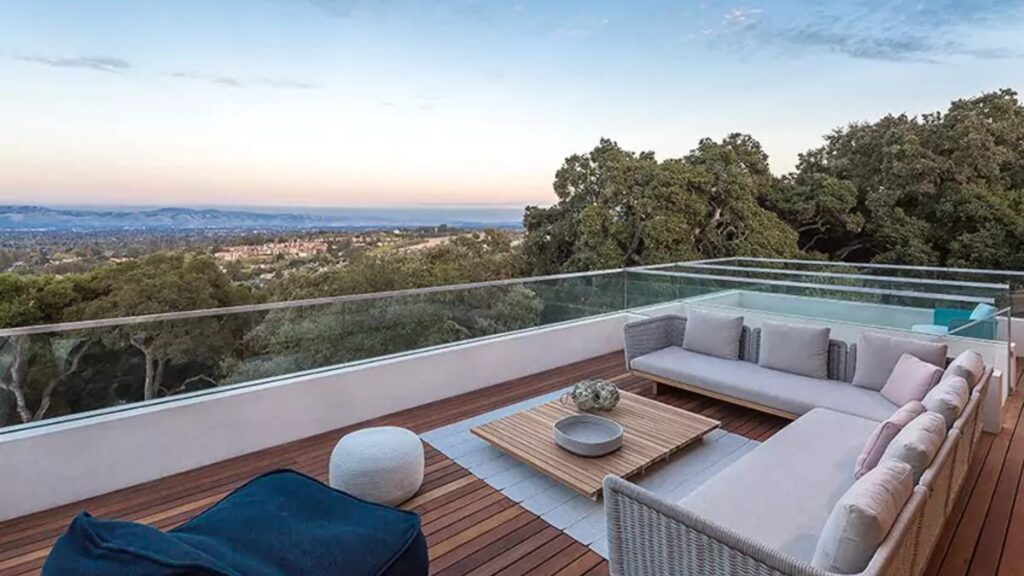
In urban, coastal, or densely built environments, rooftop decks offer privacy, panoramic scenery, and highly valuable outdoor square footage. Because they require structural engineering and premium waterproofing, professional installation is a must.
5. Pergola & Covered Deck Designs for Year-Round Comfort
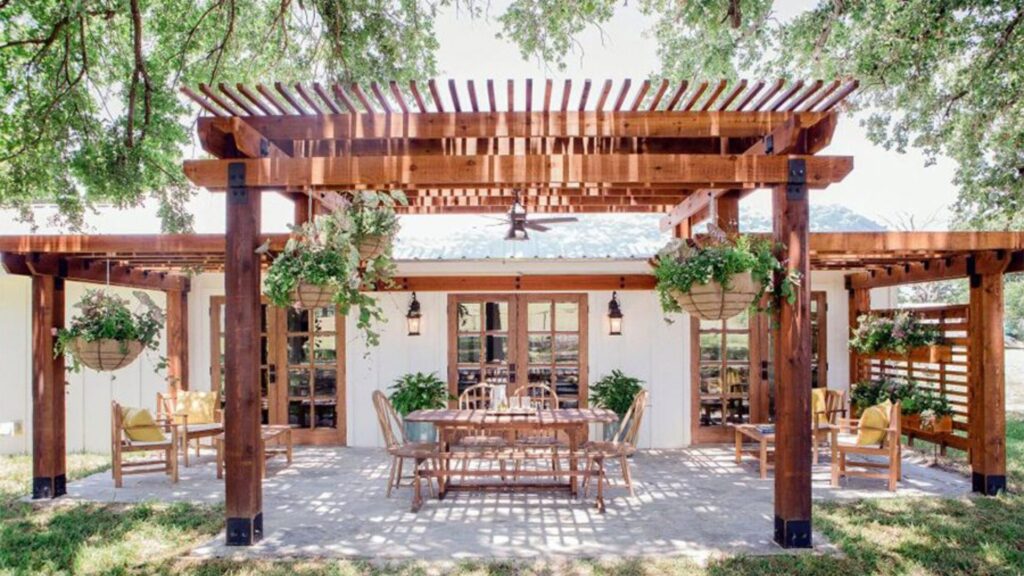
Adding a pergola, canopy, or fully covered roof transforms your deck into a beautifully defined outdoor “room.” Incorporate string lights, ceiling fans, heaters, or retractable shades to extend comfort through more seasons and elevate the overall ambiance.
Must-Have Features That Elevate Any Porch or Deck
Smart upgrades can transform a basic porch or deck into a comfortable, functional, and stylish extension of your home. Consider these popular features to enhance everyday living and long-term value.
1. Built-In Seating & Hidden Storage
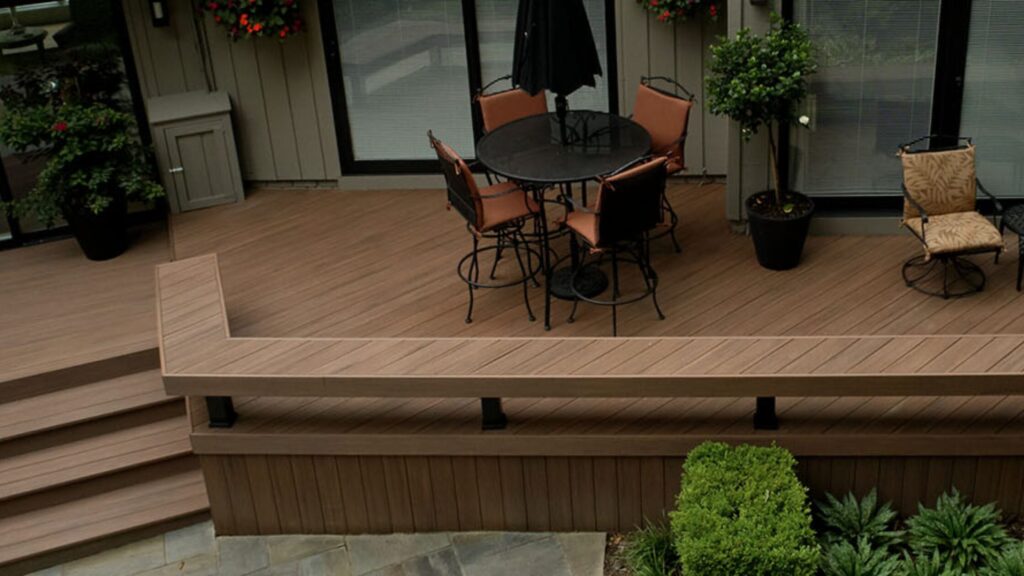
Custom benches, corner seating, and integrated storage compartments help reduce clutter while maximizing usable space. They’re especially beneficial for smaller areas where traditional furniture may feel cramped. Store cushions, gardening tools, or outdoor toys neatly out of sight.
2. Outdoor Kitchens & Dedicated Grill Zones
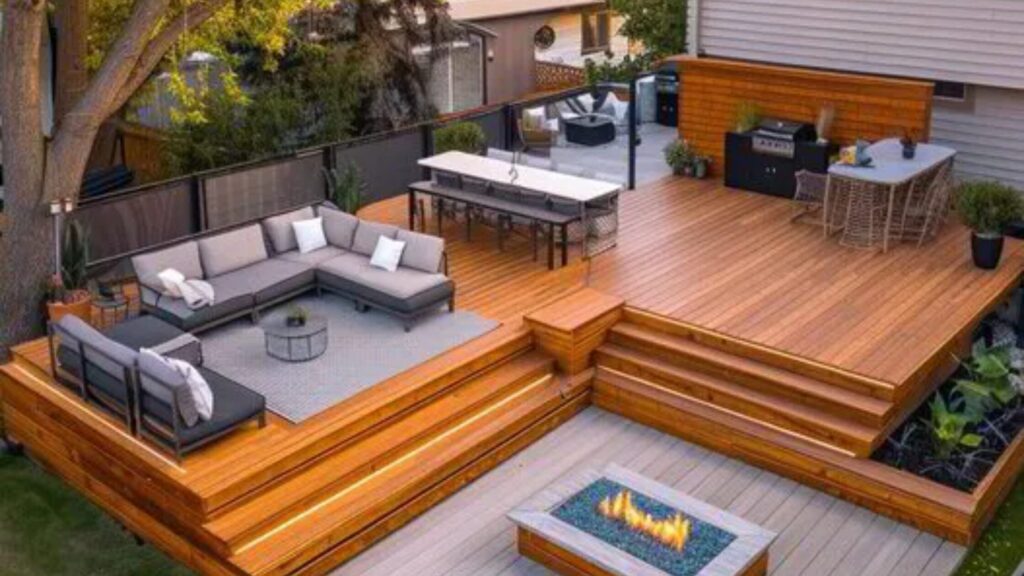
Whether you add a simple grilling station or a full kitchen equipped with countertops, cabinets, and appliances, cooking outdoors boosts convenience and enjoyment. Choose weather-resistant materials, plan for proper ventilation, and allow adequate prep space to keep the area safe and functional.
3. Fire Pits & Outdoor Fireplaces
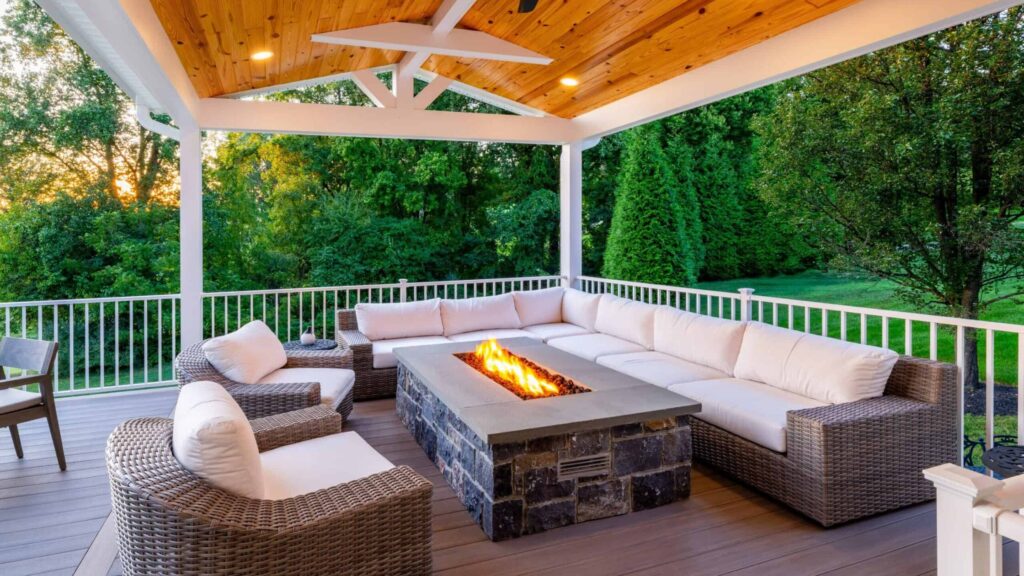
Fire features create warmth, ambiance, and a natural gathering point for family and guests. Options range from sleek gas fire pits which offer low maintenance and instant ignition to traditional wood-burning fireplaces perfect for rustic appeal and cool evenings.
4. Privacy Walls & Custom Railing Systems
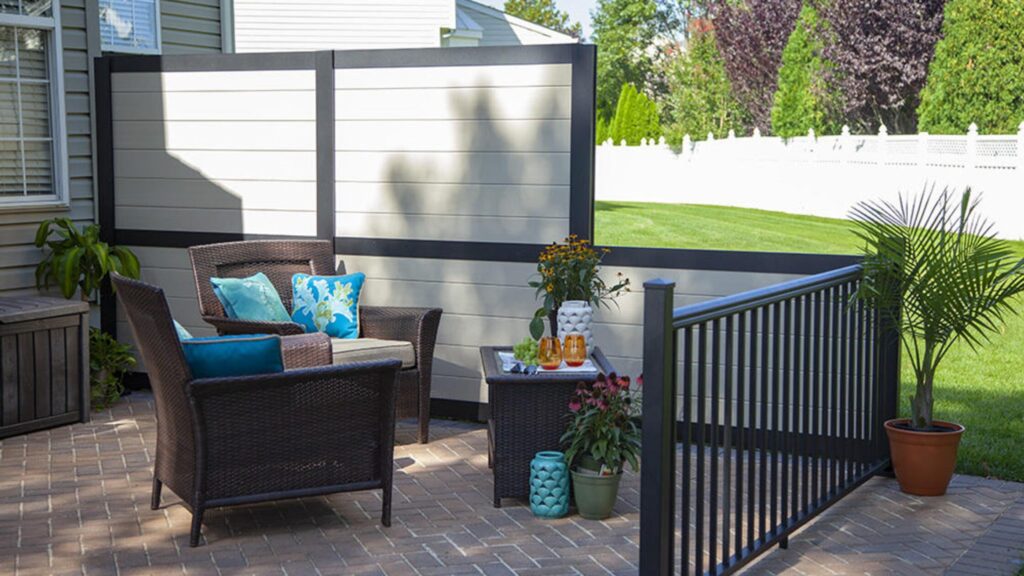
Railings and privacy elements play a major role in safety and style. Cable railings maintain open views, while privacy screens, lattice panels, and decorative walls add seclusion and visual interest. These features help define zones and enhance the architectural character of the space.
5. Lighting & Electrical Upgrades
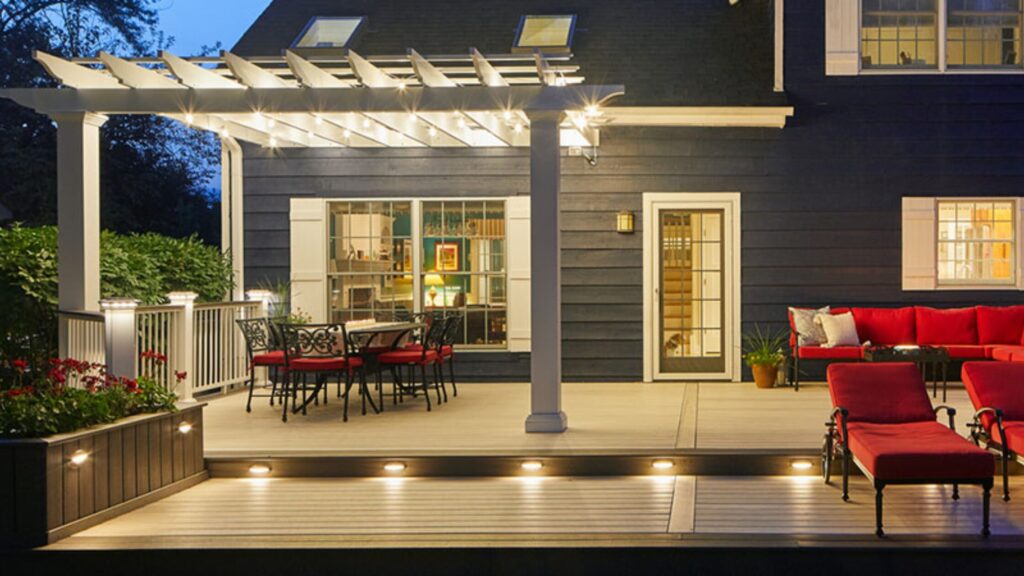
Thoughtfully planned lighting and power sources improve both safety and atmosphere. Consider incorporating:
- Step and pathway lighting
- Rail-cap or under-rail lights
- Ceiling fans
- GFCI and USB outlets
- Integrated speakers or audio systems
Strategic lighting not only sets the mood after sunset but also ensures safe navigation across stairs and elevated areas.
Choosing the Right Materials: Durability Meets Design
Your material choices influence everything appearance, lifespan, upkeep, and overall investment. Selecting the right option ensures your porch or deck looks beautiful and performs well for years to come.
1. Wood Decking
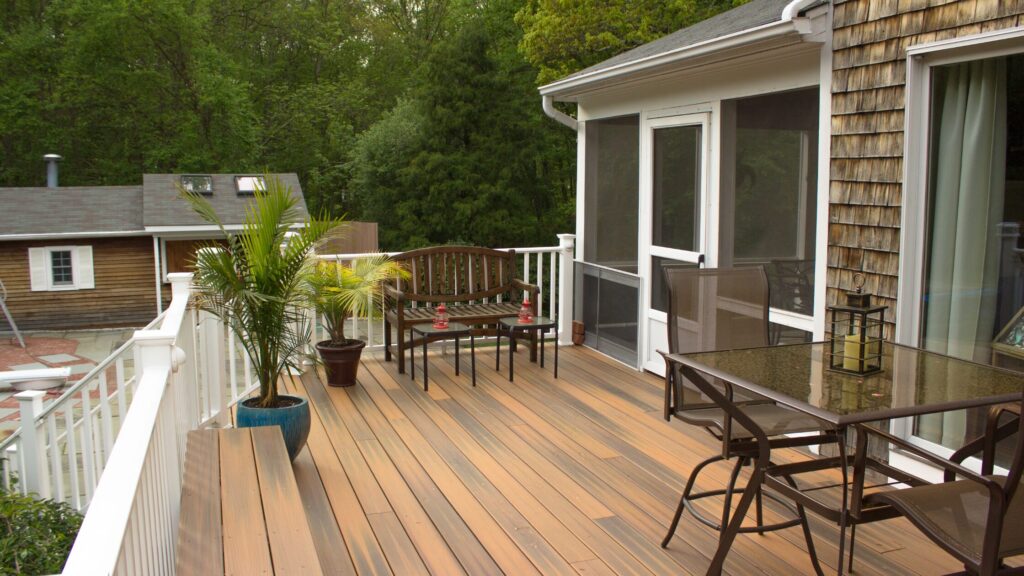
Pressure-treated lumber, cedar, and redwood offer timeless warmth and natural beauty at an affordable price point. While wood is often the most budget-friendly option upfront, it does require ongoing maintenance such as staining, sealing, or refinishing to protect against weathering.
Best for: Homeowners who love an authentic, traditional look and don’t mind routine care.
2. Composite Decking

Composite boards brands like Trex, Fiberon, and TimberTech deliver impressive resistance to fading, staining, insects, and moisture. They maintain their color and structure over time with minimal upkeep, making them a smart long-term investment.
Best for: Busy households and regions with heavy rain, humidity, or strong sun exposure.
3. PVC Decking

PVC decking offers exceptional moisture resistance and won’t rot, mold, or split, even in extreme environments. Its lightweight, durable composition makes it especially suitable for waterfront homes or poolside installations.
Best for: Coastal, lakeside, or high-moisture settings where maximum durability is essential.
4. Porch Flooring Options
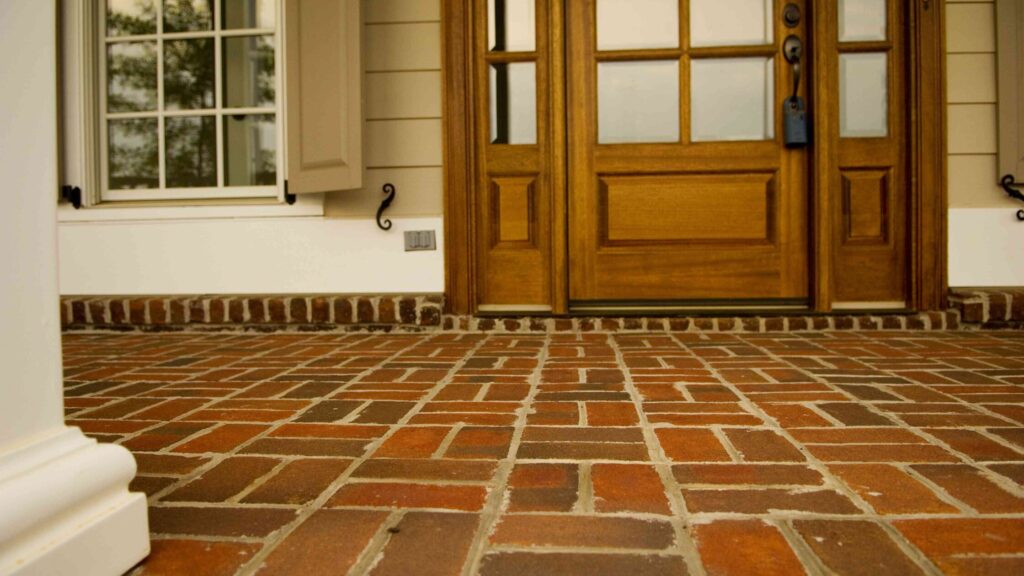
Covered or enclosed porches open the door to more refined flooring choices. Tongue-and-groove boards create a classic, seamless look, while composite porch planks offer low-maintenance elegance. In four-season or enclosed spaces, porcelain tile provides durability, style, and easy cleaning.
Best for: Porches protected from direct weather exposure or designed for year-round use.
Designing for Your Climate & Location

Climate plays a major role in how your porch or deck will perform over time. Choosing the right materials and structural features ensures safety, comfort, and long-term durability no matter where you live.
1. Cold & Snowy Regions
Winter weather can be tough on outdoor structures. Prioritize:
- Slip-resistant surfaces to prevent icy falls
- Freeze-thaw-resistant footings to avoid shifting or cracking
- Composite or PVC decking for reliable performance in harsh, fluctuating temperatures
These upgrades help your deck withstand snow loads, moisture, and repeated freeze cycles.
2. Hot & Humid Climates
Heat, humidity, and sun exposure can shorten material lifespan and make outdoor spaces uncomfortable. Improve usability with:
- Screened-in porches for better airflow and pest protection
- UV-resistant materials that minimize fading and heat absorption
- Ceiling fans and ventilation to keep air moving and temperatures manageable
These features help your space stay cool, comfortable, and low-maintenance.
3. Coastal Areas
Salt, moisture, and strong winds demand materials that can handle extreme conditions. Opt for:
- Salt-resistant fasteners to prevent corrosion
- High-performance PVC decking that won’t absorb moisture
- Durable railings and hardware engineered for marine exposure
These choices ensure your porch or deck maintains structural integrity near the water.
4. Windy Plains or Mountain Terrain
High winds and elevation changes require stronger structural support. Consider:
- Reinforced bracing and anchoring for stability
- Code-compliant railing systems designed for higher wind loads
- Wind-screening features like privacy panels where appropriate
These elements keep your outdoor space safe and secure, even in challenging environments.
Why Homeowners Trust Best Enterprises General Contracting
Building a porch or deck is a major investment. Best Enterprises brings years of experience, high-quality craftsmanship, and trusted materials to every project. Our team handles everything from design to permitting to finishing touches so your new outdoor space looks seamless and lasts for years.
Visit our Services Page or explore our portfolio to get inspired for your next project.
Conclusion: Start Planning Your Dream Outdoor Space Today
A well-designed porch or deck enhances daily living, boosts home value, and gives you more room to enjoy the outdoors. Whether it’s a cozy screened-in porch or a spacious multi-level deck, thoughtful planning and expert craftsmanship make all the difference.
Ready to bring your vision to life?
Contact Best GC today to schedule a consultation and start designing a space you’ll enjoy for years to come.
Covered Deck Additions: Blending Outdoor Comfort & Style
Creating an outdoor space that feels as comfortable as your living room and as stylish as your interior is every homeowner’s dream. A covered deck addition makes that possible, extending your living area while providing protection from the elements. Whether you’re hosting weekend gatherings, enjoying quiet evenings outdoors, or simply adding value to your home, the right design can beautifully blend outdoor comfort and style.
This guide explores how to plan, design, and build a covered deck addition that elevates your lifestyle combining aesthetics, practicality, and lasting quality.
What is a Covered Deck Addition and Why it Matters
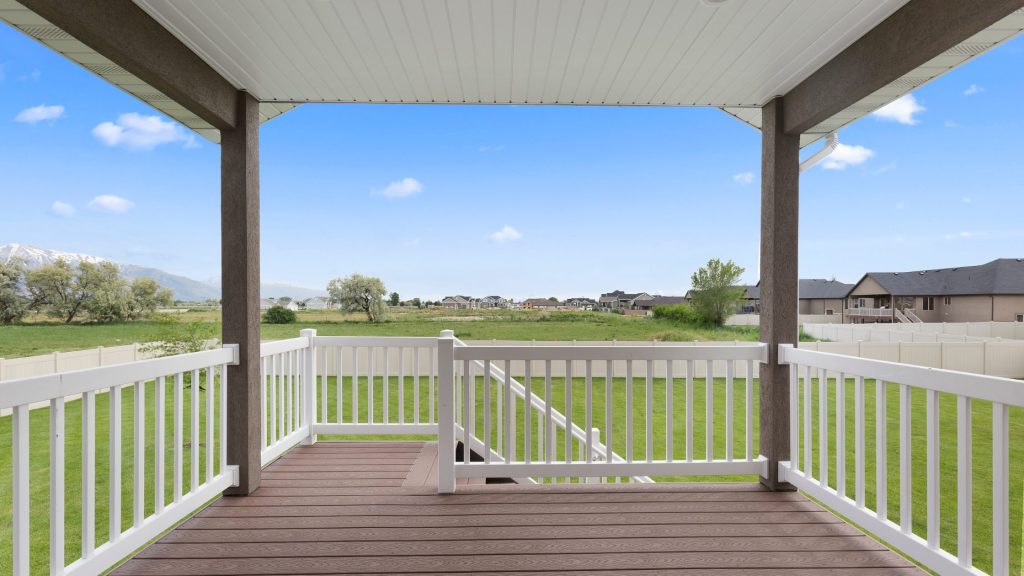
A covered deck addition is more than just a roofed outdoor space. It’s an extension of your home engineered to enhance usability, protect furnishings, and provide shade and shelter throughout the year.
Key Benefits:
- Year-round usability: Protects against sun, rain, and snow.
- Enhanced comfort: Keeps your outdoor space cooler in summer and warmer in winter.
- Improved aesthetics: Complements your home’s design with cohesive architectural elements.
- Increased property value: Well-designed outdoor spaces are a top feature for today’s homebuyers.
By integrating a covered structure with your existing architecture, you create a seamless indoor–outdoor transition that adds both function and visual appeal.
The Comfort + Style Equation: Why Both Matter
Outdoor Comfort
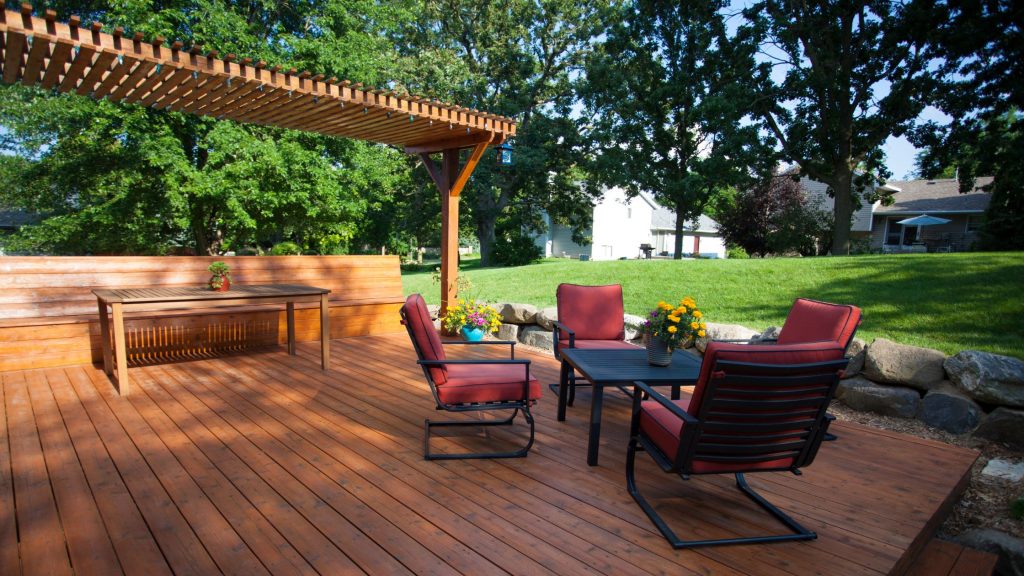
A successful outdoor living space should feel inviting and usable every day not just on perfect-weather afternoons.
- Weather protection: A covered deck shields you from UV rays, rain, and wind.
- Temperature control: Add ceiling fans for airflow or patio heaters for cooler months.
- Functional design: Zoning areas for dining, lounging, and cooking enhances usability.
Outdoor Style
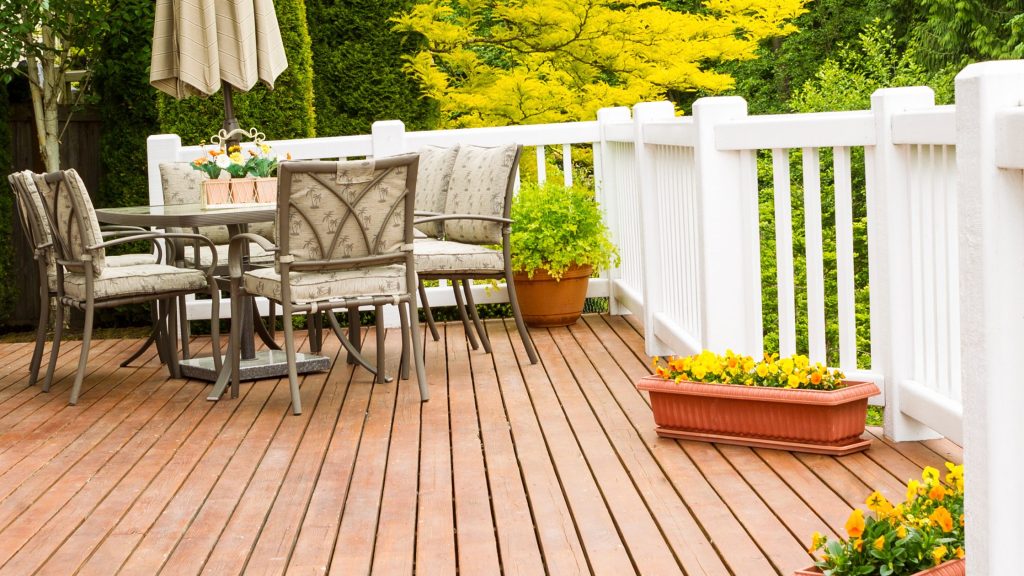
Comfort matters but style transforms your deck into a personal retreat.
- Design continuity: Extend your home’s rooflines, colors, and materials to maintain harmony.
- Lighting & texture: Combine warm lighting with layered materials (wood, metal, stone) for an elevated look.
- Decor & finishes: Outdoor rugs, planters, and coordinated furniture complete the aesthetic.
Together, comfort and style turn your deck into a lifestyle statement.
Planning Your Covered Deck Addition
Thoughtful planning ensures your project fits your home, lifestyle, and budget.
1. Assess Your Current Setup
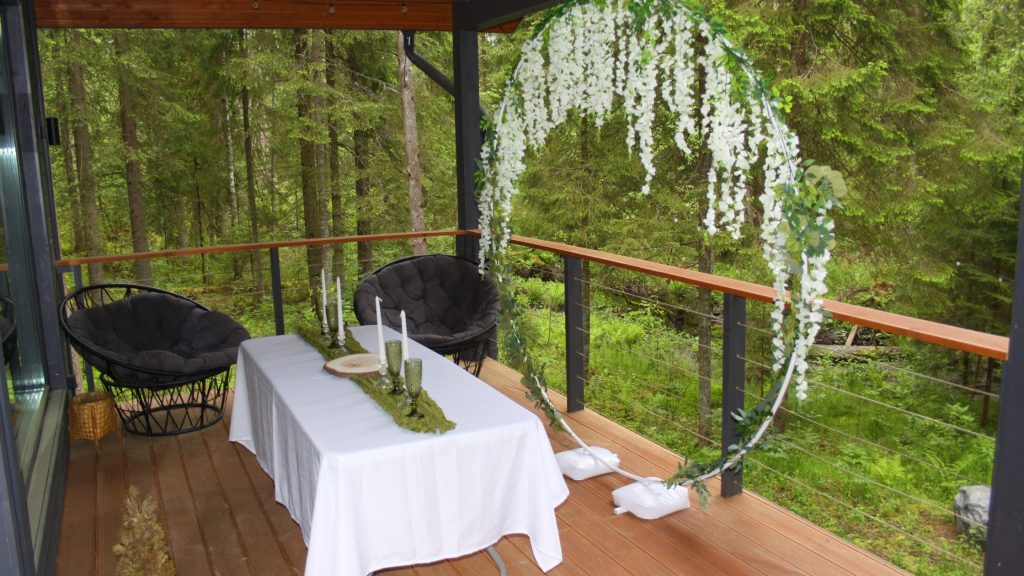
Determine whether your existing deck can support a new roof structure or if a full rebuild is necessary. An experienced contractor can assess:
- Structural integrity of joists and footings.
- Load-bearing capacity for roofing materials.
- Integration with your home’s siding and drainage.
2. Structural & Code Considerations
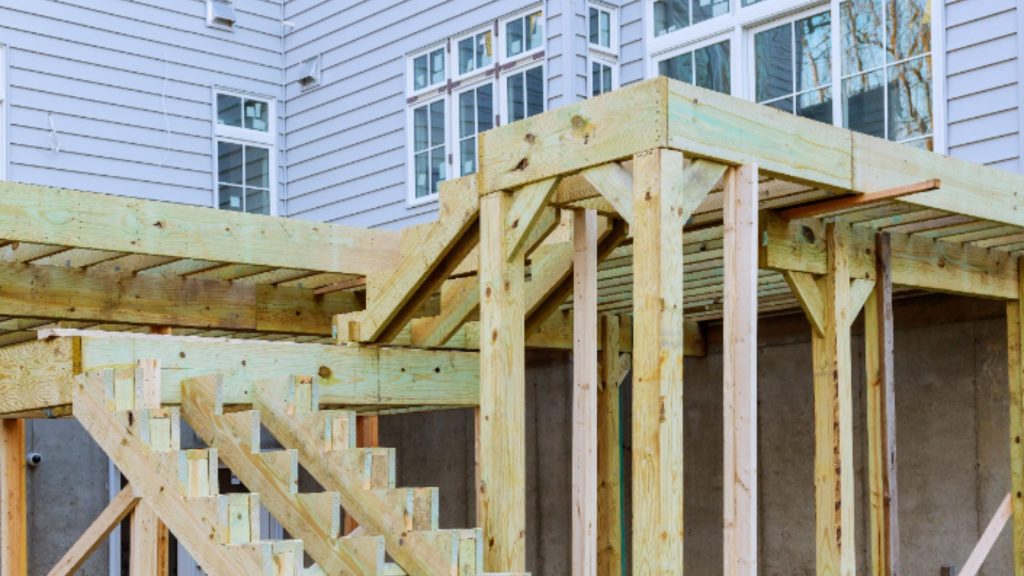
Every covered addition must meet local building codes for load, wind, and snow resistance.
- Obtain required permits before starting construction.
- Ensure roofing design complements your home’s architecture.
- Consider gutter systems and water drainage to protect the deck below.
3. Climate & Orientation
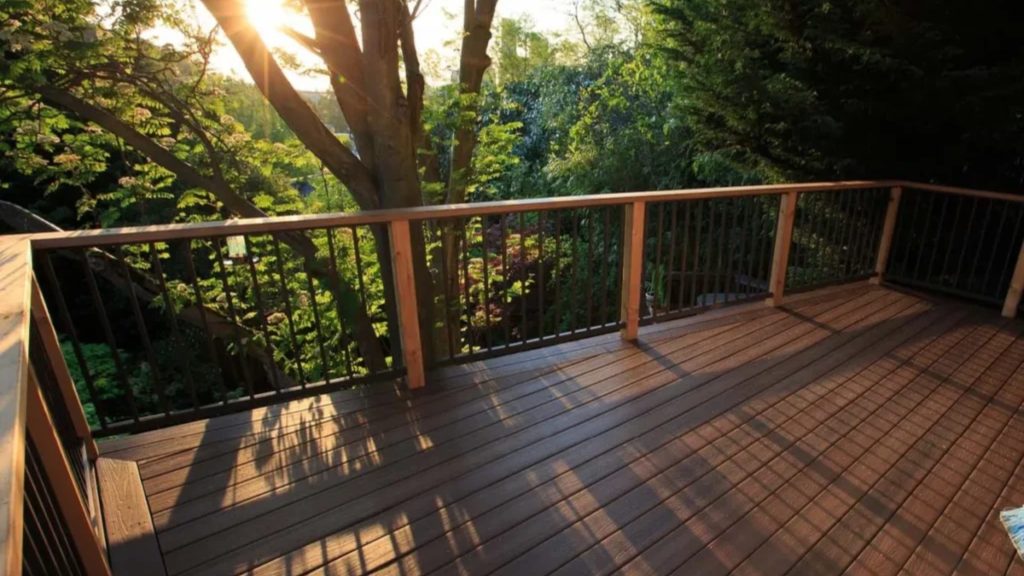
Your location and lot orientation influence comfort:
- South-facing decks receive more sun ideal for cooler climates.
- North-facing decks may need added light or heating.
- Use natural shade, screens, or retractable panels to fine-tune comfort levels.
Best Materials & Roof Styles for Covered Deck Additions
Choosing the right materials and roof type ensures durability, comfort, and style.
Popular Roof Options
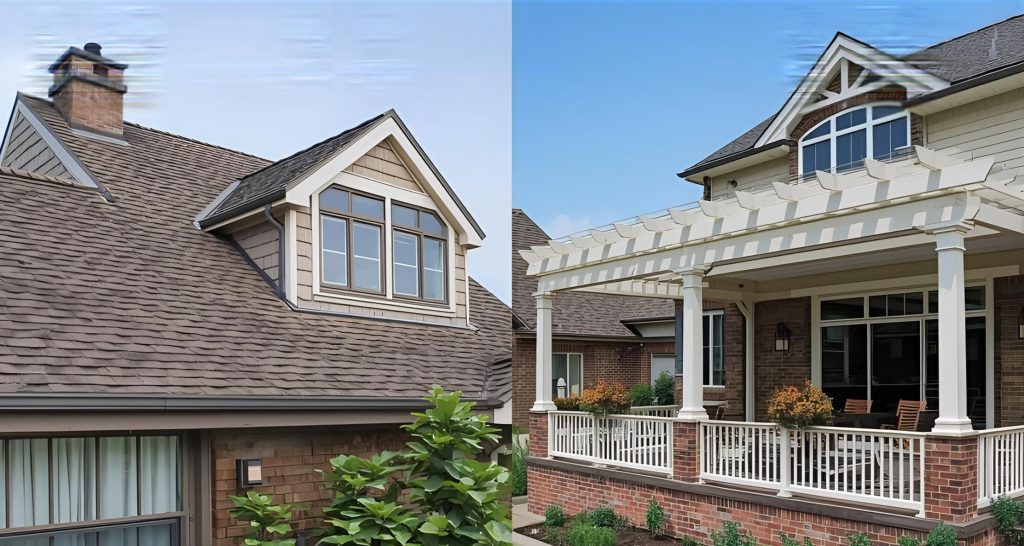
- Gable Roofs – Offer height, great airflow, and strong architectural presence.
- Flat Roofs – Provide a modern, minimalist aesthetic that blends with contemporary homes.
- Pergolas with Adjustable Louvers – Allow customizable light and ventilation—ideal for year-round use.
- Retractable Awnings or Sun Sails – Budget-friendly and flexible for smaller spaces.
Decking & Structural Materials
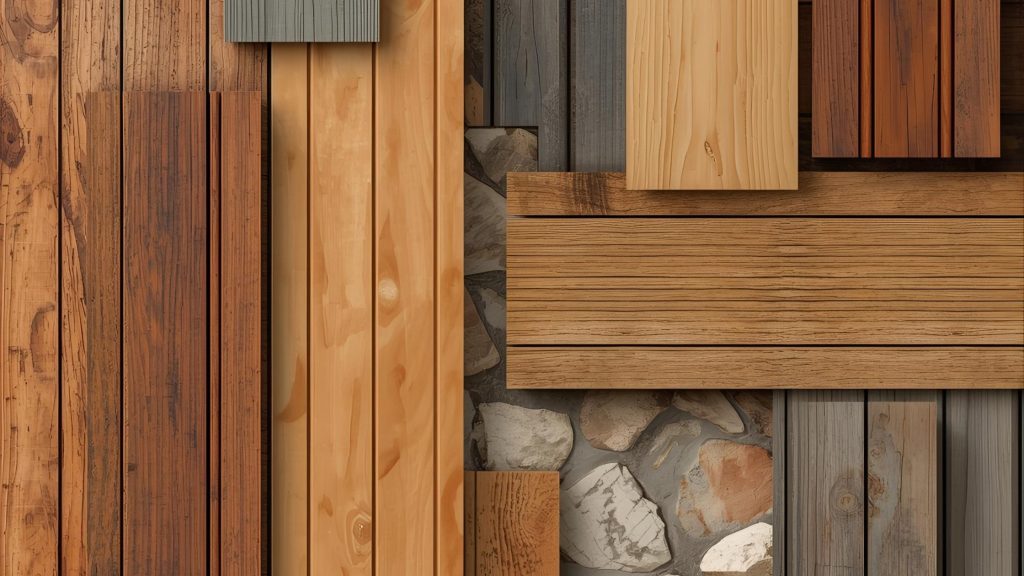
The material you choose impacts both comfort and style:
- Natural wood (cedar, redwood): Warm, traditional appeal but needs maintenance.
- Composite decking: Low-maintenance, long lifespan, and color variety.
- Thermally modified wood: Combines natural beauty with improved weather resistance.
- Metal or stone accents: Add contrast and sophistication.
Furniture, Lighting & Heating
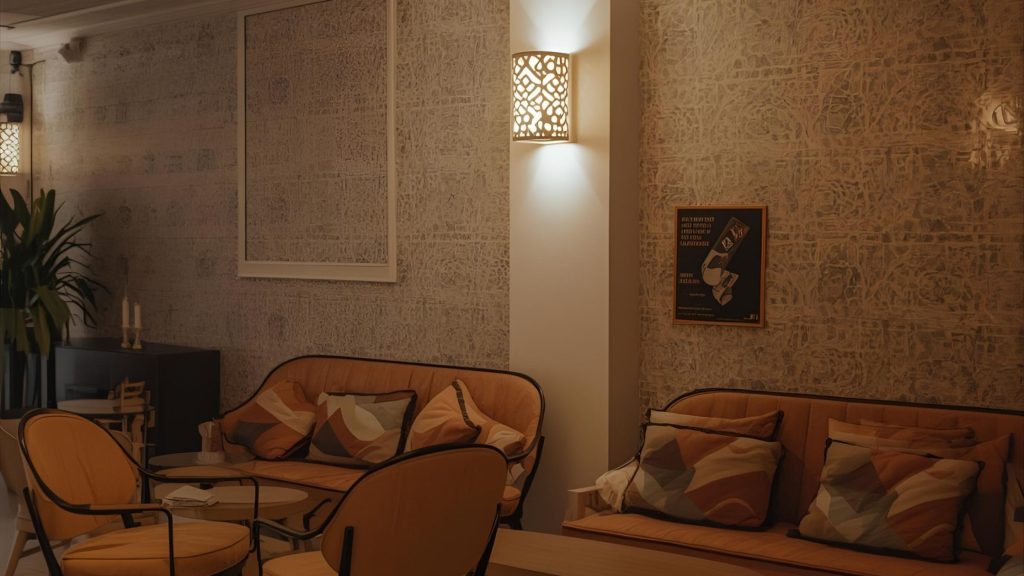
- Seating: Choose weatherproof cushions and modular furniture for flexibility.
- Lighting: Combine ambient string lights with recessed ceiling fixtures for evening ambiance.
- Heating: Add a fire pit, fireplace, or infrared heaters to extend usability through winter.
When selected thoughtfully, these elements create a seamless outdoor extension that’s comfortable in every season.
Design Ideas & Real-World Inspiration
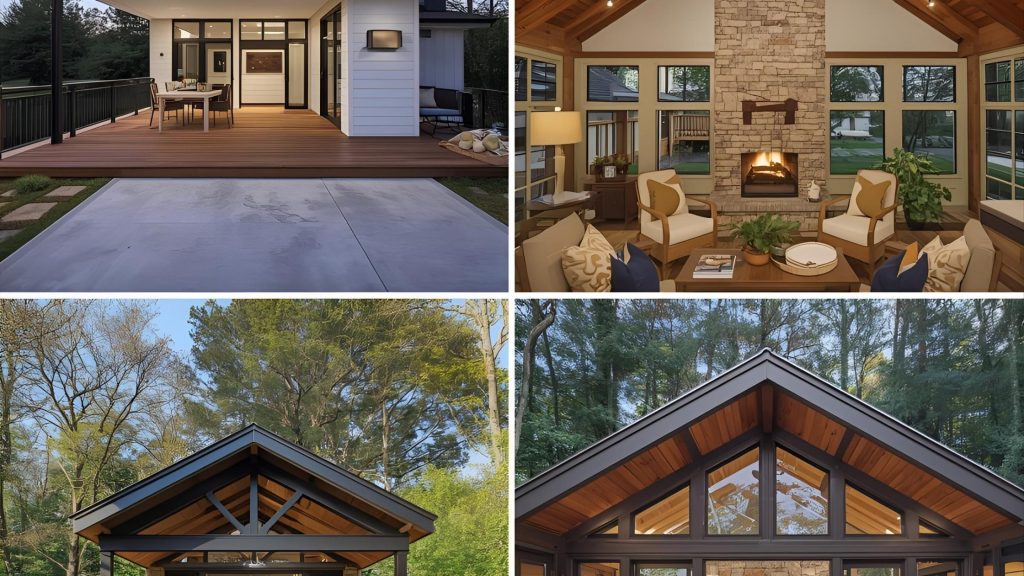
Here are a few design approaches inspired by successful covered deck additions:
- Modern Minimalist: Flat roof, composite decking, neutral palette, and integrated LED lighting.
- Rustic Retreat: Exposed timber beams, stone fireplace, and soft outdoor fabrics.
- Transitional Comfort: Gable roof, composite floorboards, and wicker furniture for a balanced, timeless look.
How to Design a Covered Deck That Blends Comfort and Style (Step-by-Step)
Step 1: Define Your Goals
Decide how you plan to use your covered deck entertaining guests, dining, or simply relaxing and envision the layout that best supports these activities. Clear goals will guide every design decision.
Step 2: Assess Site & Structure
Evaluate your existing deck to determine whether it can support a cover or if new foundations and framing are needed. Consider factors like weight-bearing capacity, sun exposure, and access to utilities.
Step 3: Choose Roof Type & Materials
Select a roof style gable, flat, pergola, or other that complements your home’s architecture and suits the local climate. Pick durable materials that provide the right balance of shade, ventilation, and weather protection.
Step 4: Budget & Plan
Create a detailed budget covering materials, labor, lighting, and furniture. Factor in potential upgrades or unexpected expenses to ensure your project stays on track financially.
Step 5: Partner with Professionals
Work with a licensed contractor, such as Best Enterprises General Contracting, to ensure proper engineering, permits, and top-quality construction. Experienced professionals can turn your vision into a safe, functional, and beautiful space.
Step 6: Personalize Your Design
Make the space your own with a cohesive color palette, ambient lighting, and furniture that reflects your lifestyle. Accessories like rugs, planters, and cushions can further enhance comfort and style.
Step 7: Maintain & Enjoy
Protect your deck with seasonal cleaning, sealing, and inspections. Regular maintenance preserves its beauty and safety, letting you enjoy your covered deck for years to come.
Conclusion
A thoughtfully designed covered deck addition transforms your outdoor area into a true extension of your home combining comfort, style, and functionality in one cohesive design. From selecting durable materials to choosing the perfect roof structure, each decision contributes to an inviting space that enhances your lifestyle and property value.
When you’re ready to bring your vision to life, Best Enterprises General Contracting is here to help.
Our expert team designs and builds custom deck additions that reflect your home’s personality and your comfort goals.
Contact us today to schedule a consultation and start creating your perfect outdoor retreat.
Custom Deck Design: 2025 Trends & Expert Tips for Your Outdoor Space
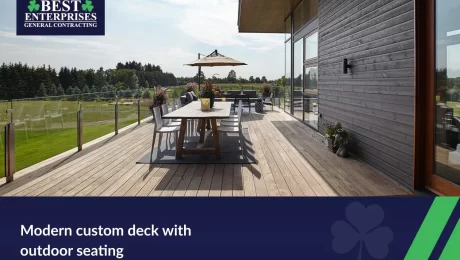
Essential Custom Deck Design Tips for Homeowners
1. Multi-Level & Tiered Decks
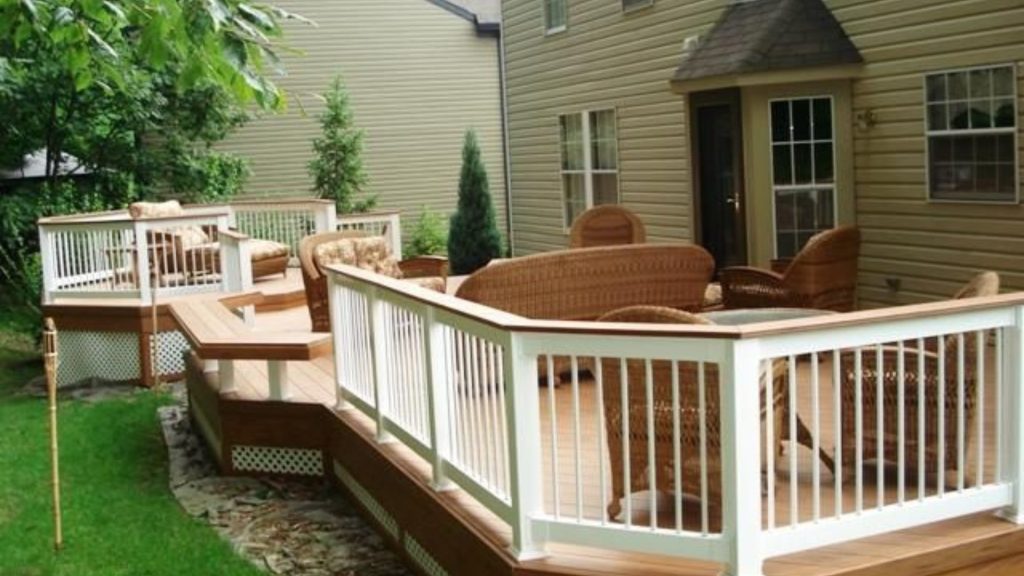 Multi-level and tiered decks are gaining popularity as they maximize space and add visual interest. These designs create distinct zones for dining, lounging, and grilling, enhancing the flow and functionality of your outdoor area. Features like steps, glass railings, and built-in seating maintain an open and inviting feel.
2. Sustainable & Eco-Friendly Materials
 Homeowners are increasingly opting for sustainable decking materials. Options like thermally modified wood, bamboo decking, and recycled composite decking made from plastic waste and wood fibers offer durability and environmental benefits. These materials are both durable and environmentally friendly.
3. Built-In Seating & Storage
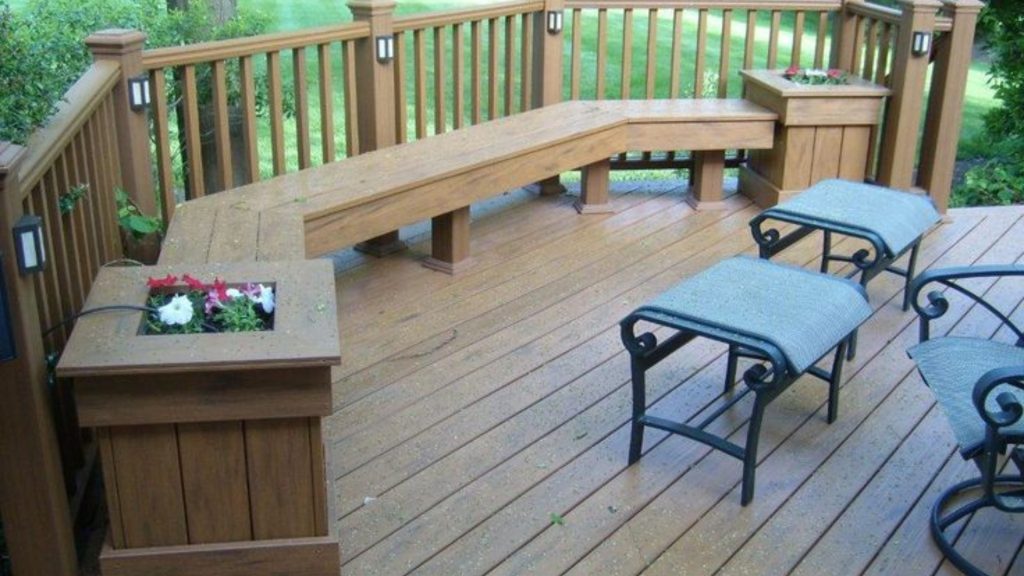 Incorporating built-in seating and storage solutions enhances both the functionality and aesthetics of your deck. Benches with hidden compartments keep the area tidy, while integrated planters add a touch of greenery. These features are especially beneficial for optimizing space in smaller outdoor areas.
4. Mixed Materials (Wood, Metal & Composite Combos)
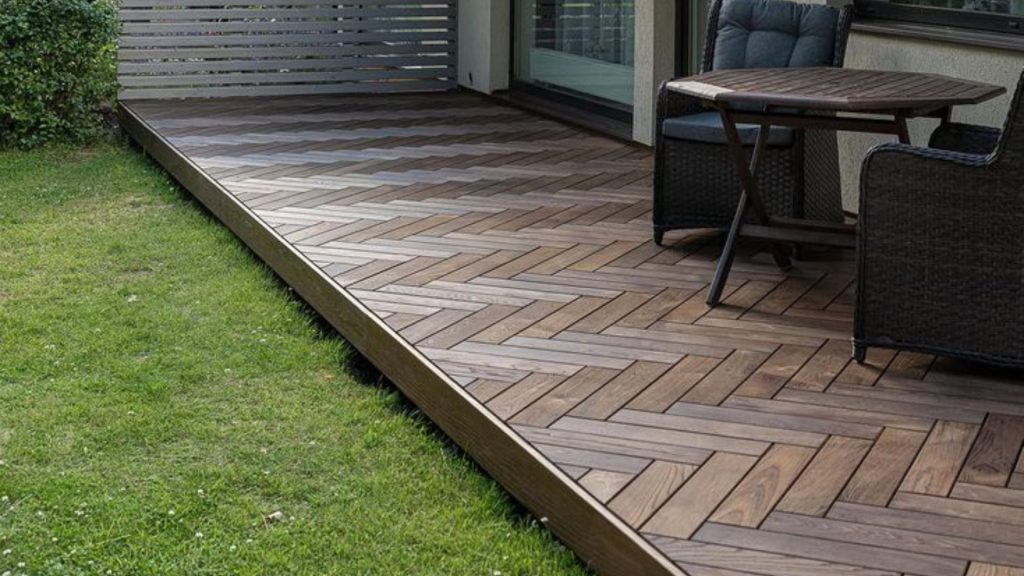 Combining different materials adds depth and texture to modern decks. For example, pairing wood with metal or composite materials creates a unique and contemporary look that stands out while maintaining practicality.
5. Smart Deck Features
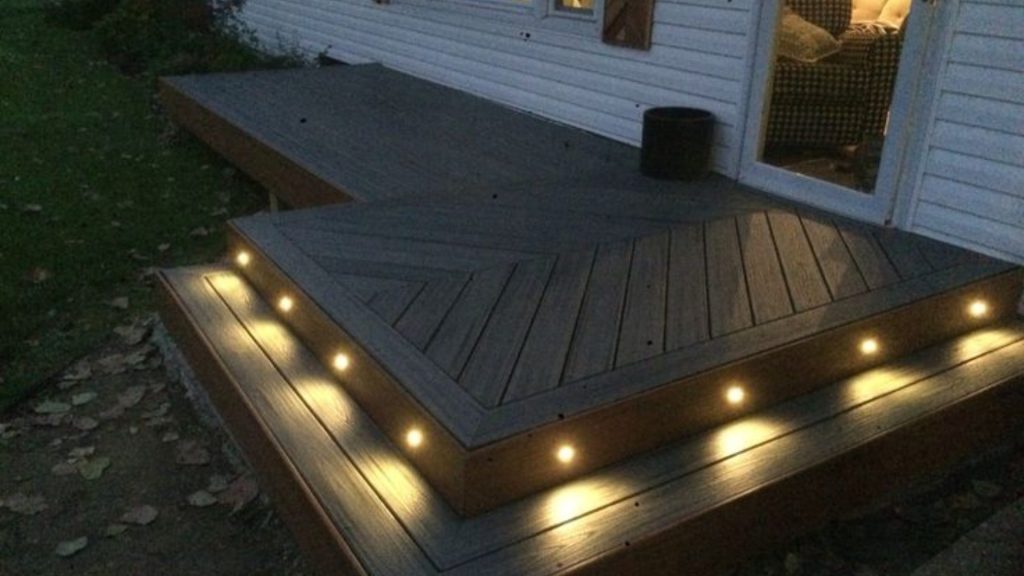 Integrating smart technology into deck design enhances convenience and ambiance. Energy-efficient LED lighting systems, automated pergolas, and heating elements allow for year-round enjoyment of your outdoor space. These features can be controlled via smartphones, adding a modern touch to your deck.
Custom Deck Design Tips for Homeowners
1. Assess Your Space & Needs
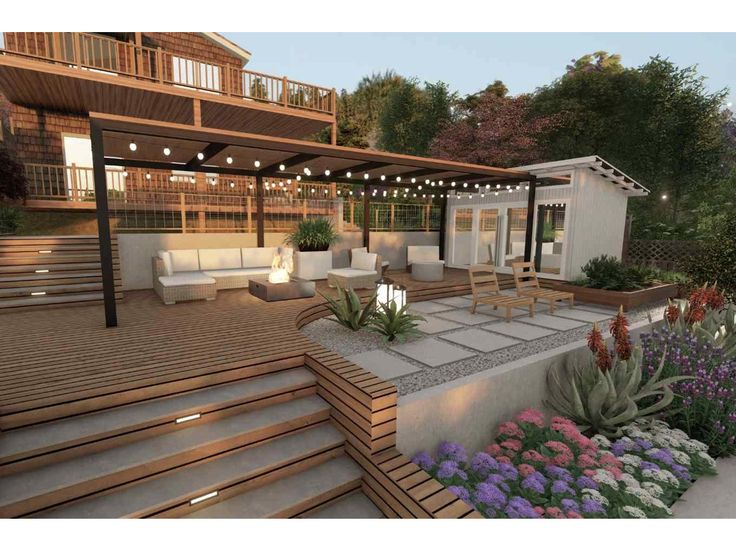 Begin by evaluating your outdoor area’s dimensions, sun exposure, and primary functions be it entertaining, dining, or relaxation. Consider factors like traffic flow, seating arrangements, and proximity to the house to optimize usability.
2. Choose the Right Materials for Your Climate
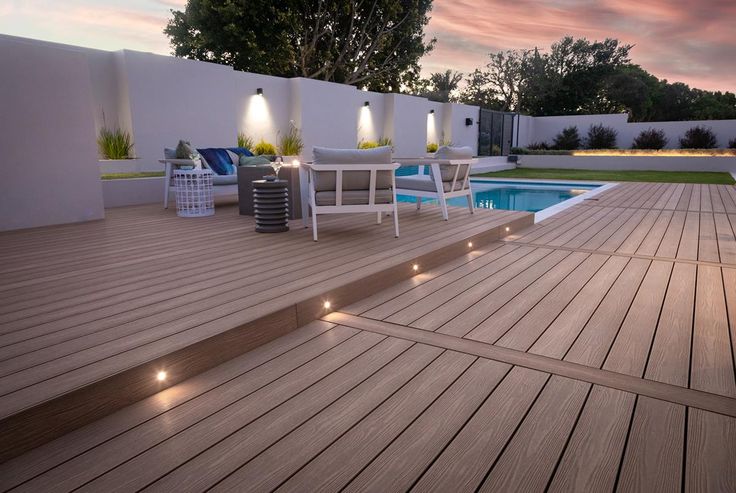 Selecting materials suited to your local climate ensures longevity and reduces maintenance. For instance, composite decking combines recycled plastics with wood fibers, offering a durable and low-maintenance alternative to natural wood. While natural wood decks have a classic appeal, they may require more upkeep compared to composites.
3. Optimize for Small Spaces
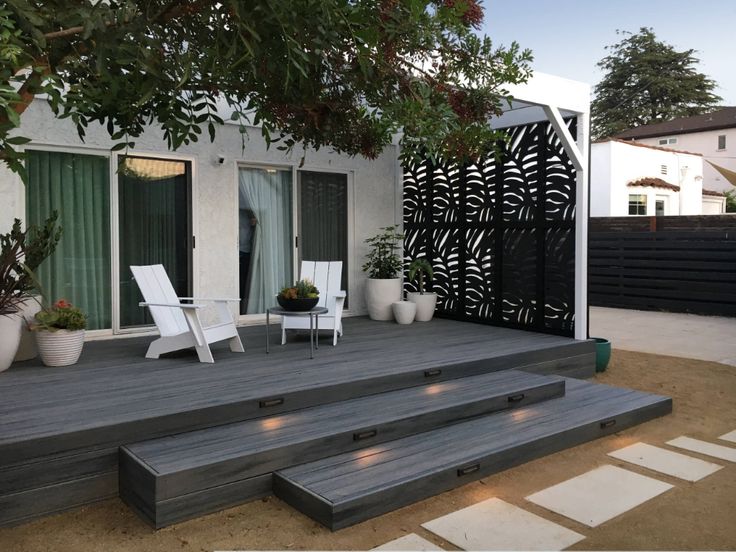 Maximize limited space by incorporating vertical gardens, built-in seating, and foldable furniture. Floating decks can create a modern, open feel, while multi-functional elements like storage benches help utilize every inch effectively.
4. Incorporate Privacy Solutions
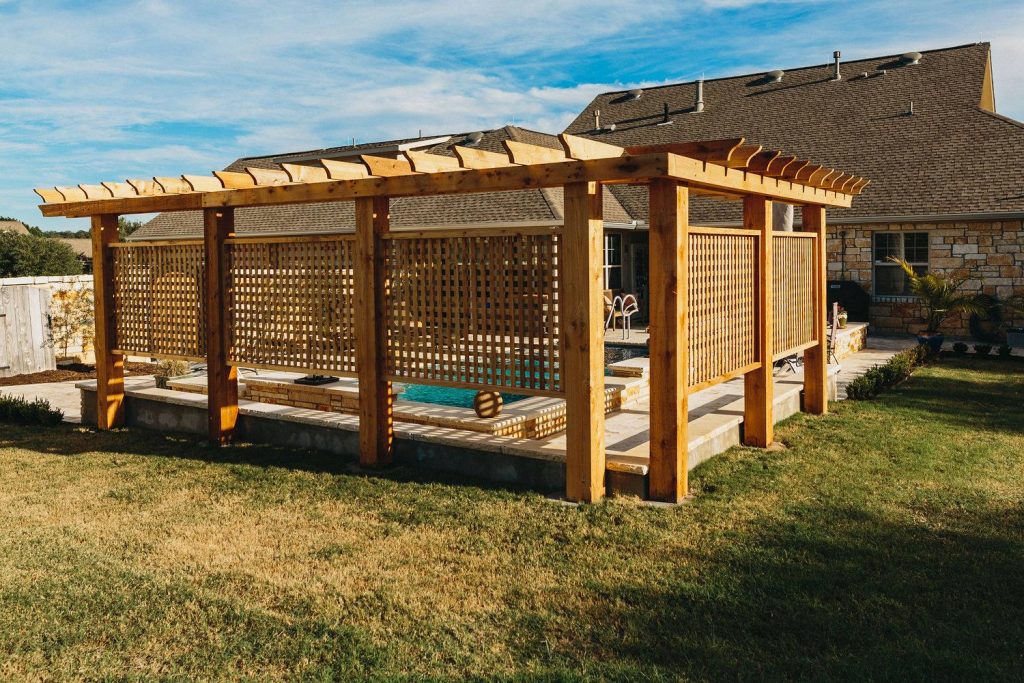 Enhance comfort and seclusion with features like pergolas, lattice panels, privacy screens, or tall greenery. These additions not only offer shade and protection but also contribute to a cozy and stylish outdoor retreat.
5. Work with a Professional Contractor
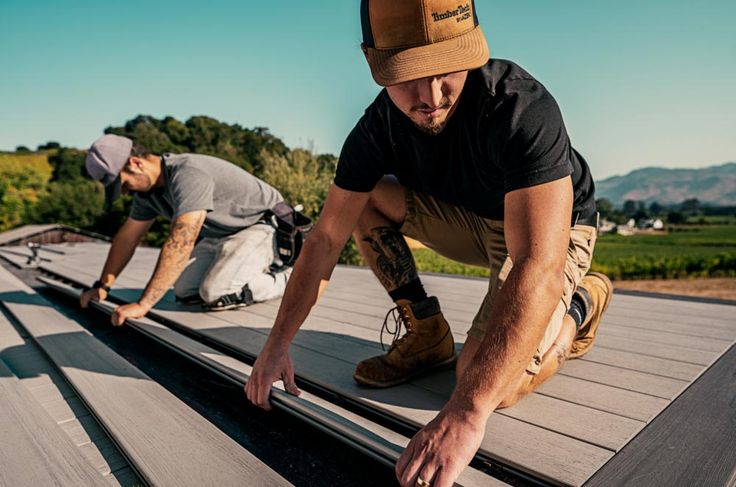 Engaging an experienced contractor ensures safety, adherence to local building codes, and high-quality construction. Companies like Best Enterprises General Contracting offer comprehensive design-to-installation services, delivering customized decks tailored to your preferences.