A deck should feel like an extension of your home, not a weekend repair project waiting to happen. Whether you’re hosting summer cookouts, relaxing with family, or increasing your home’s resale value, choosing the best decking material makes all the difference.
The right material affects durability, safety, maintenance costs, and long-term value. Climate, budget, and lifestyle all play a role in determining the best materials for outdoor decks. In this guide, we’ll break down the top options: pressure-treated wood, cedar, composite decking materials, PVC decking boards, aluminum, and more so you can make a confident, informed decision.
What Makes the Best Decking Material for Outdoor Living?
There isn’t a one-size-fits-all answer. The best choice depends on how you plan to use your deck and where you live.
Durability in Different U.S. Climates
Weather impacts performance more than most homeowners realize.
- South & Southwest: Intense heat and UV exposure can cause fading and surface damage. Composite and PVC products with UV protection perform well here.
- Southeast & Coastal States: High humidity and salt air demand moisture-resistant materials. PVC decking boards excel in these environments.
- Northeast & Midwest: Freeze–thaw cycles stress traditional wood. Composite decking materials resist cracking and splitting better than untreated lumber.
Matching material to climate protects your investment and reduces future repairs.
Maintenance Requirements
Every decking material comes with upkeep expectations.
Pressure-treated wood requires staining and sealing every 1–3 years. Cedar needs regular sealing to preserve its color. Composite and PVC boards require occasional cleaning but no sealing. Aluminum needs little more than routine washing.
If you want the best low maintenance decking boards for outdoor living, composite and PVC typically top the list.
Budget vs. Long-Term Value
Upfront price matters but lifecycle cost matters more.
- Pressure-treated wood costs less initially but demands ongoing maintenance.
- Composite and PVC cost more upfront yet last significantly longer.
- Aluminum carries a premium price but can last 40–50 years.
According to industry remodeling reports from the National Association of Home Builders (NAHB), outdoor upgrades like decks consistently rank among projects that improve resale appeal. Choosing the right material can strengthen ROI when it’s time to sell.
Pressure-Treated Wood – Affordable and Traditional
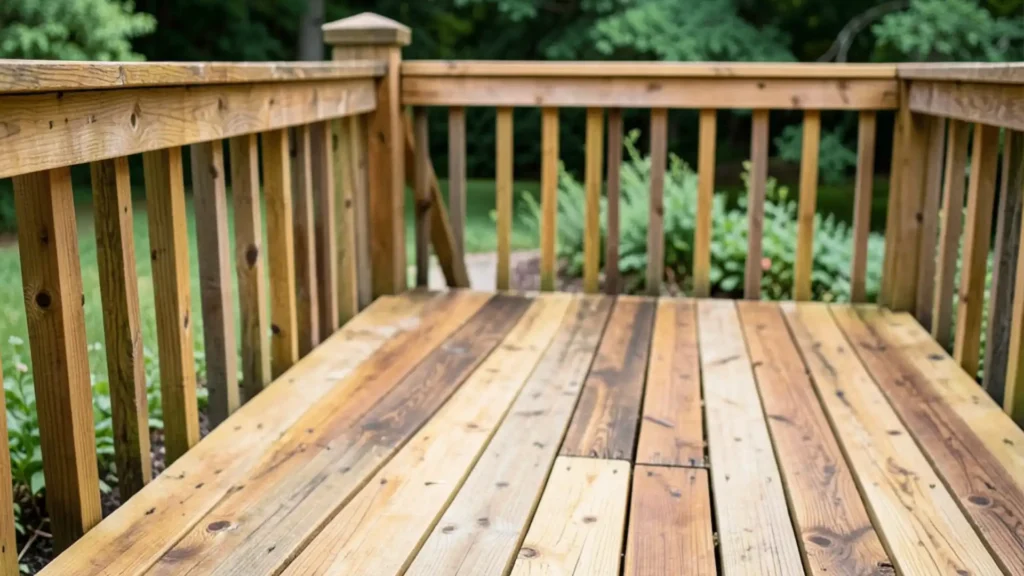
Pressure-treated lumber remains one of the most widely used decking materials in the United States. It’s easy to source and budget-friendly.
Why It’s Popular
Homeowners often choose pressure-treated wood because:
- It offers the lowest upfront cost.
- Contractors can easily customize it.
- It provides a classic wood appearance.
Pros and Cons
Pros:
- Affordable and accessible
- Simple to repair
- Natural wood look
Cons:
- Requires regular staining and sealing
- Prone to warping, cracking, and splintering
- Shorter lifespan (typically 10–15 years with maintenance)
Best For
Pressure-treated wood works well for homeowners seeking cost-effective solutions and those comfortable with ongoing maintenance. It’s not usually considered the best decking material for long-term, low-maintenance living but it fits tighter budgets.
Cedar and Redwood – Natural Beauty with Moderate Maintenance
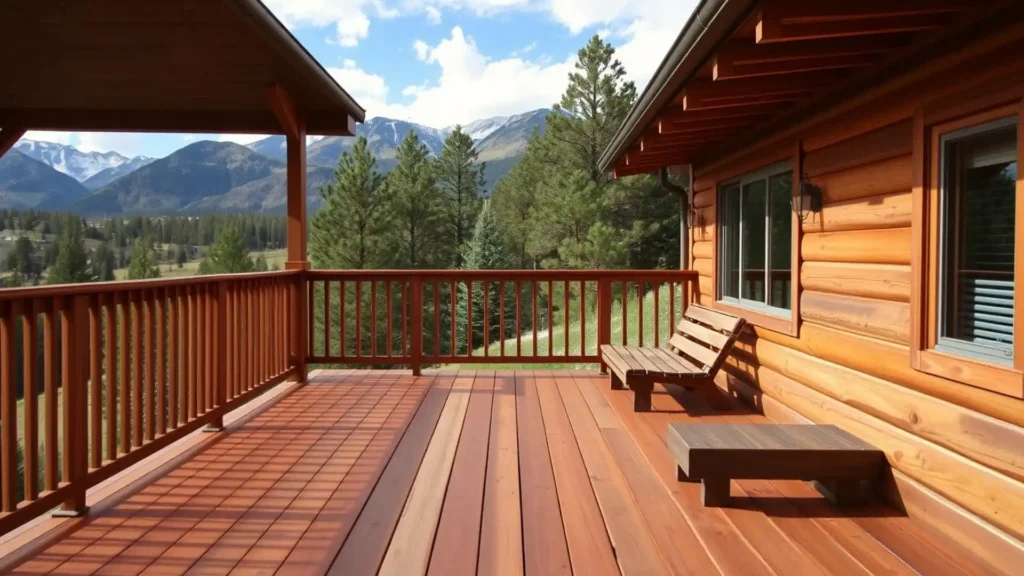
Cedar and redwood appeal to homeowners who value natural aesthetics. These woods contain natural oils that resist insects and decay.
1. Natural Resistance to Rot and Insects
Cedar performs especially well in milder climates. It offers better durability than untreated lumber but still requires protection from moisture.
2. Maintenance Needs
Without sealing, cedar fades to a gray tone. Many homeowners appreciate that look, but maintaining the original color requires periodic sealing.
3. Is It Worth the Investment?
Cedar typically falls in the mid-range price category. It suits homeowners who prioritize appearance and are willing to maintain it.
Composite Decking Materials – Durability with Low Maintenance
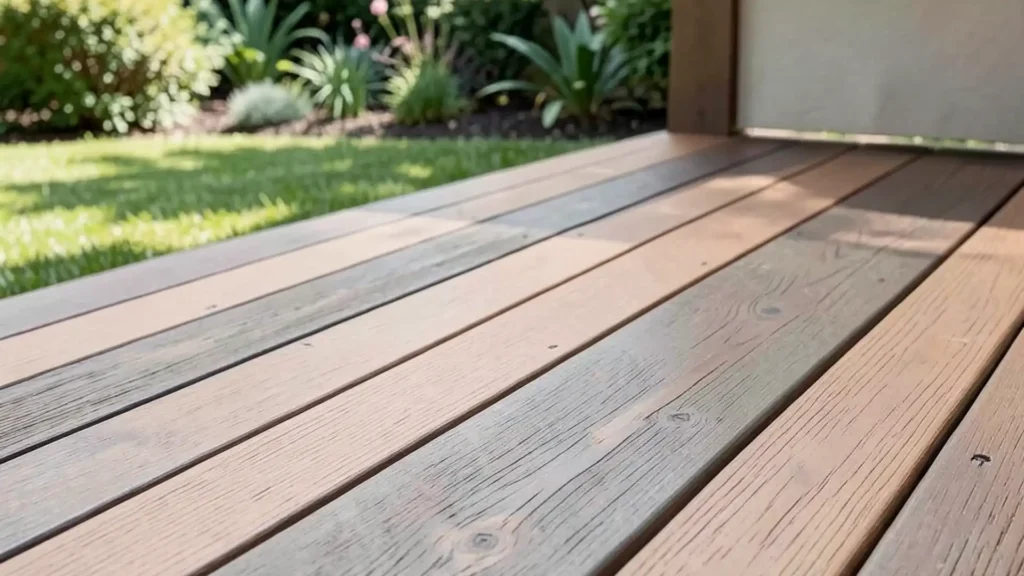
Composite decking materials combine recycled wood fibers and plastic. The result is a board that resists rot, insects, and splintering.
What Are Composite Decking Materials?
Manufacturers engineer composite boards to mimic real wood grain while eliminating many of wood’s weaknesses.
Benefits of Composite Decking
- Fade-resistant finishes
- No staining or sealing
- Long lifespan (20–30+ years)
- Consistent color and texture
Many homeowners consider composite a strong candidate for the best decking materials for outdoor living spaces because it balances durability and aesthetics.
Why It’s So Popular
Composite suits busy families who want durability without yearly upkeep. It also appeals to buyers in resale markets because it signals low maintenance.
PVC Decking Boards – Maximum Moisture Resistance
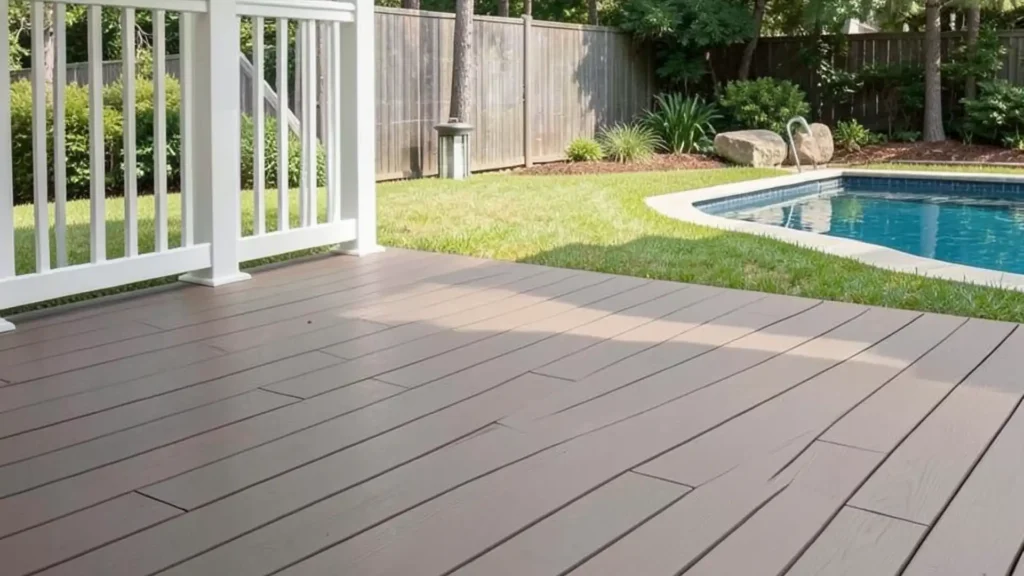
PVC decking boards contain no organic material. That makes them highly resistant to mold, mildew, and moisture damage.
What Makes PVC Different?
Unlike composite, PVC is fully synthetic. It won’t absorb water or support rot.
Key Advantages
- Extremely moisture-resistant
- Ideal for pool decks and coastal homes
- Minimal maintenance
- Long lifespan (often 30+ years)
Is PVC the Best Low Maintenance Decking Board for Outdoor Living?
For homeowners in humid climates or near water, PVC often stands out as one of the best low maintenance decking boards for outdoor living. It typically costs more than composite but delivers excellent moisture protection.
Aluminum Decking – Premium and Long-Lasting Option
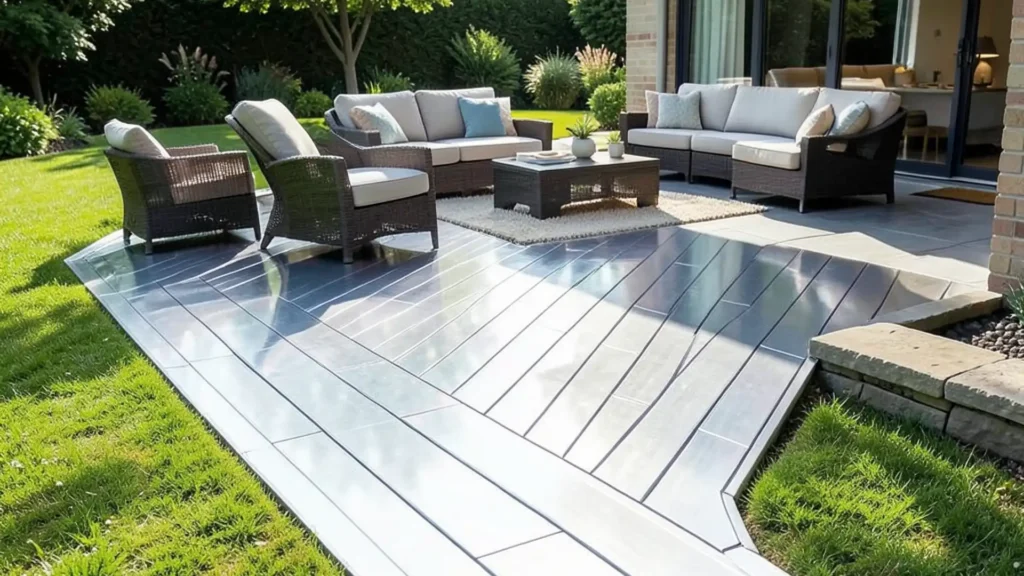
Aluminum decking isn’t as common, but it offers impressive strength and longevity.
Why It’s Gaining Popularity
- Fire-resistant
- Slip-resistant
- Resistant to rust and insect damage
Pros and Cons
Aluminum can last 40–50 years or more. However, it comes with a higher upfront investment. It works well in wildfire-prone regions and for homeowners planning to stay long term.
Comparing the Best Materials for Outdoor Decks
Here’s a quick overview:
Material | Lifespan | Maintenance | Climate Suitability | ROI Potential |
Pressure-Treated Wood | 10–15 yrs | High | Mild climates | Moderate |
Cedar/Redwood | 15–20 yrs | Moderate | Dry climates | Moderate |
Composite | 20–30+ yrs | Low | Most U.S. climates | High |
PVC | 30+ yrs | Very Low | Humid/coastal | High |
Aluminum | 40–50+ yrs | Very Low | Harsh climates | Long-term |
Which is the Best Decking Material for Your Home?
- Budget-conscious homeowners: Pressure-treated wood
- Luxury outdoor living spaces: Composite or PVC
- Low-maintenance priorities: PVC or composite
- Harsh climate areas: Aluminum or PVC
How to Choose the Best Decking Materials for Outdoor Living Spaces
Start with your lifestyle.
1. Consider Your Lifestyle
If you entertain often, choose materials that resist stains and wear. Families with kids and pets benefit from splinter-free surfaces like composite or PVC. Pool or waterfront properties demand moisture resistance.
2. Think About Long-Term Maintenance
Ask yourself:
- How much time do I want to spend on upkeep?
- Am I comfortable resealing every few years?
- Do I want a “set it and forget it” option?
Answering these questions narrows your choices quickly.
3. Work with a Professional Contractor
Installation quality affects durability just as much as material choice. Proper framing, ventilation, and fastening systems extend the life of your deck and protect manufacturer warranties.
You can explore professional deck installation services at Best Enterprises General Contracting to see examples of durable, climate-appropriate designs.
Why Homeowners Trust Best Enterprises General Contracting for Deck Installation
Choosing the right material matters. Installing it correctly matters even more.
Best Enterprises General Contracting designs decks that match climate conditions, lifestyle needs, and long-term goals. Our team focuses on:
- Custom deck design
- Durable framing systems
- Premium materials
- Clear, detailed estimates
We guide homeowners through every step so they feel confident in their investment.
Conclusion
The best decking material isn’t simply the cheapest or the trendiest option. It’s the one that fits your climate, budget, and lifestyle.
Pressure-treated wood works for budget projects. Cedar offers natural beauty. Composite decking materials balance durability and style. PVC decking boards deliver exceptional moisture resistance. Aluminum provides unmatched longevity.
If you’re ready to upgrade your outdoor living space, schedule a consultation with Best Enterprises General Contracting. Let’s build a deck that looks great, performs well, and lasts for decades.