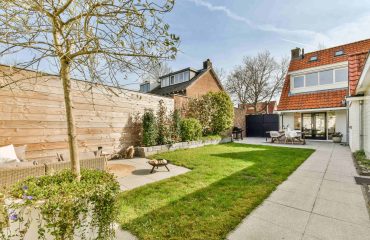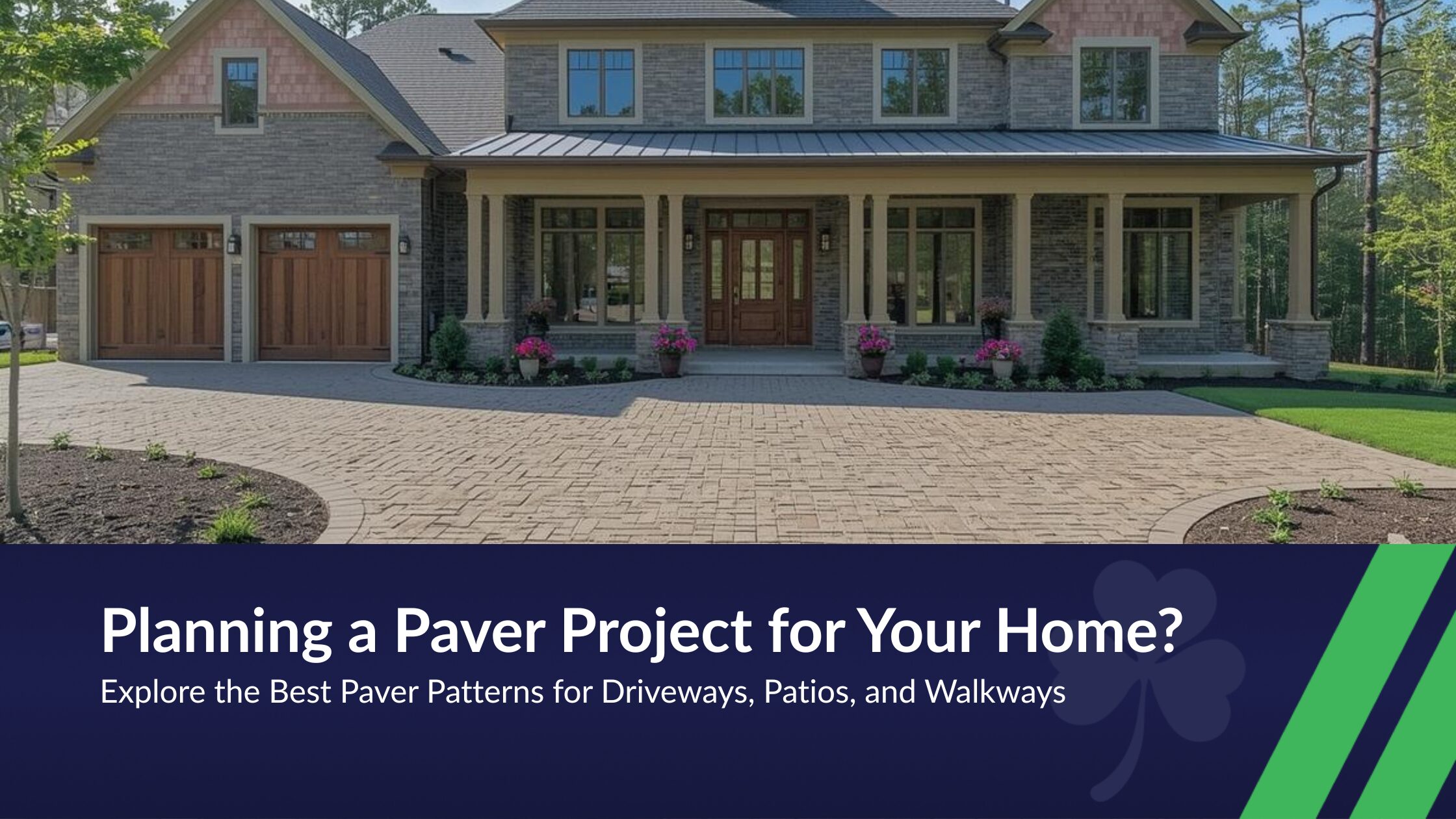
When homeowners plan an outdoor paving project, most of the attention goes toward color and material. Pattern selection often comes later, yet it plays a major role in how your surface looks, performs, and holds up over time.
The right paver pattern improves strength, supports proper drainage, and enhances curb appeal. The wrong pattern can lead to shifting stones, uneven surfaces, and higher maintenance costs. Many homeowners also make the mistake of choosing decorative layouts for areas that need structural strength.
This guide walks you through the best paver patterns for driveways, patios, and walkways. You will learn how patterns affect performance, which layouts work best for different outdoor spaces, and how to choose the right design for your property.
Paver Pattern Basics: What Homeowners Should Know Before Choosing
What is a Paver Pattern?
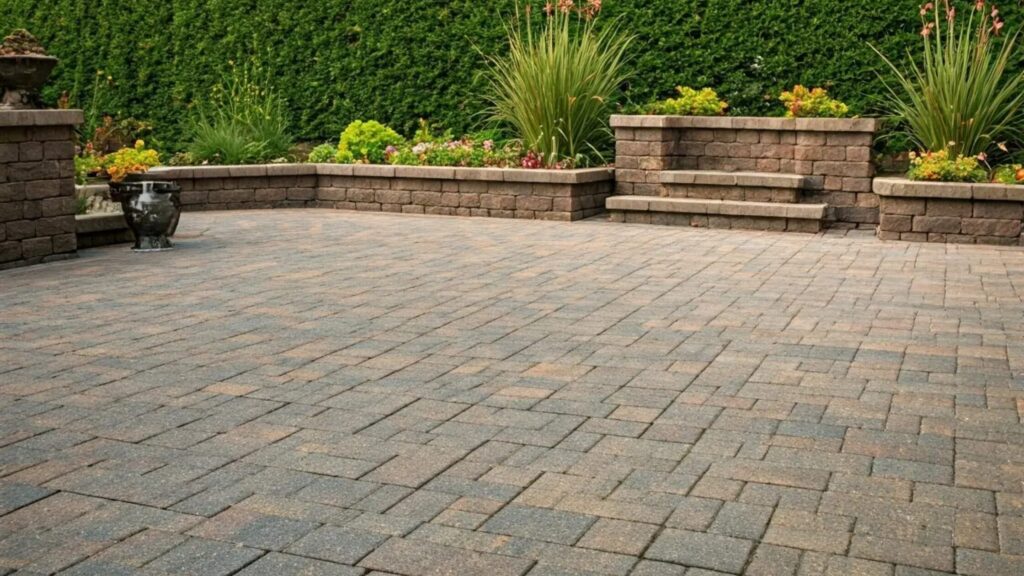
A paver pattern refers to how individual stones or bricks are arranged during installation. This is different from the shape of the paver itself. The same rectangular paver can create several layouts depending on orientation and spacing.
Think of the pattern as the structure that holds everything together. While paver shape controls appearance, the layout controls performance.
Why Paver Patterns Matter for Outdoor Surfaces
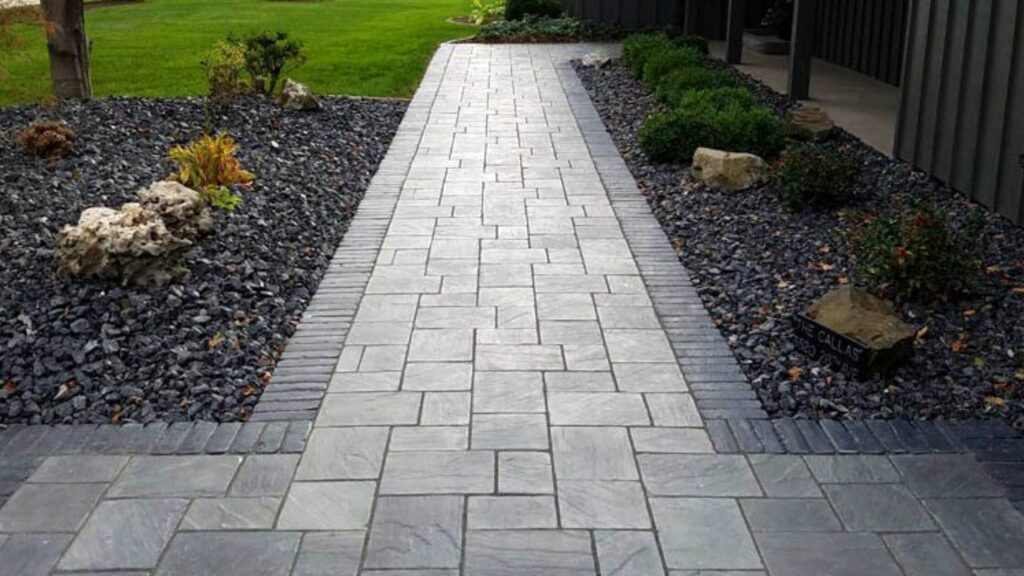
Not all areas of your property experience the same type of use. Driveways carry vehicle weight. Patios support furniture and foot traffic. Walkways guide movement across the yard.
Patterns designed for load-bearing areas create stronger interlocking connections. Decorative patterns often focus on aesthetics but may not handle heavy stress. Pattern selection also affects cracking, joint movement, and surface stability.
How Patterns Influence Visual Flow and Curb Appeal
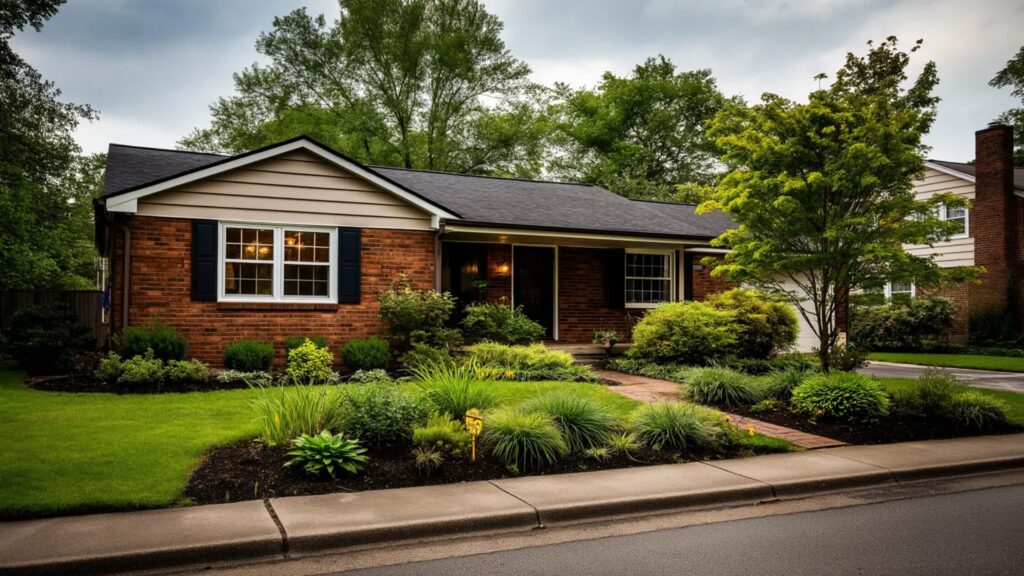
Patterns shape how space feels. Linear layouts can make narrow walkways appear longer. Modular designs add texture and visual depth to patios. Circular patterns create focal points that draw attention to seating areas or fire pits.
Matching your pattern to your home’s architecture also improves visual balance. Traditional homes pair well with classic layouts like running bond or basketweave. Modern homes often benefit from grid-style or large-format designs.
Top 10 Paver Patterns for Outdoor Spaces
Homeowners have more design options than ever when it comes to paving layouts. The right pattern can improve strength, enhance curb appeal, and help outdoor spaces feel more balanced and functional.
Below are the most popular paver patterns used across residential projects and how they perform in real-world applications.
1. Herringbone (45° and 90°)
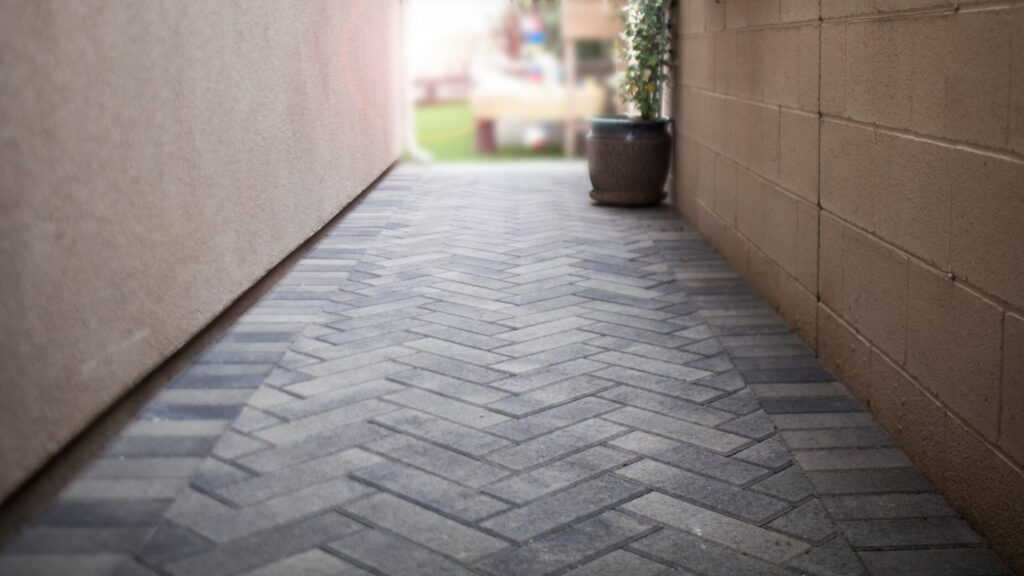
Herringbone remains the top-performing layout for load-bearing surfaces. Its angled interlock prevents lateral movement, which is why it is commonly used for driveways and commercial paving.
Best applications include:
- Driveways and parking areas
- Steep walkways and sloped surfaces
- Entry paths with high foot traffic
Design considerations:
- The 45-degree pattern creates movement and hides tire marks better than straight layouts.
- The 90-degree option provides symmetry and complements contemporary architecture.
- Works especially well with rectangular concrete pavers and brick-style units.
From a maintenance standpoint, herringbone patterns resist joint separation and surface shifting, even under repeated freeze-thaw cycles.
2. Running Bond
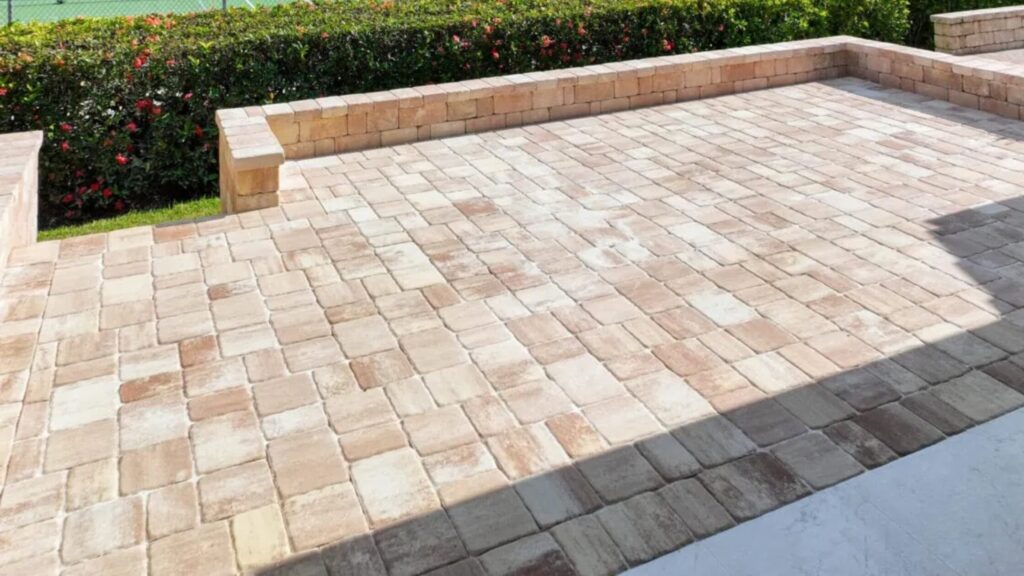
Running bond is one of the most versatile and budget-friendly patterns available. Its offset alignment helps distribute weight moderately while keeping installation straightforward.
Why homeowners choose running bond:
- Faster installation compared to complex patterns
- Minimal cutting waste
- Compatible with narrow walkways and long patio layouts
This pattern also visually elongates spaces. When installed lengthwise along walkways or narrow yards, it creates the illusion of added depth.
For areas with occasional vehicle use, adding reinforced edge restraints improves long-term stability.
3. Basketweave
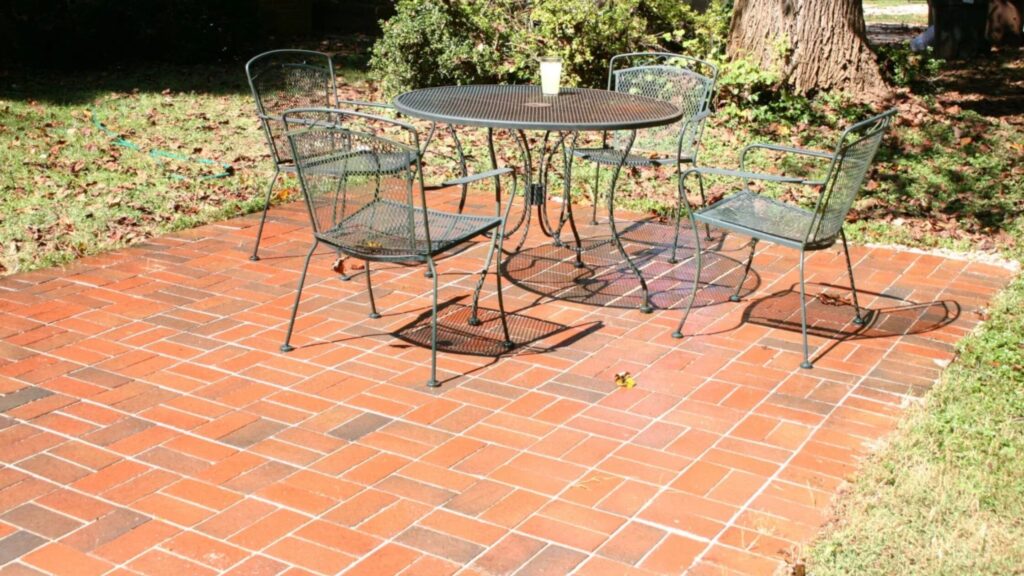
Basketweave patterns bring visual texture without becoming overwhelming. They work especially well in traditional and transitional home designs.
Key benefits include:
- Balanced geometry with decorative appeal
- Efficient layout with repetitive modules
- Reduced need for custom cutting
Basketweave layouts perform best in patios, courtyard spaces, and garden paths where aesthetic appeal is a priority over heavy load resistance.
4. Ashlar or Modular Pattern
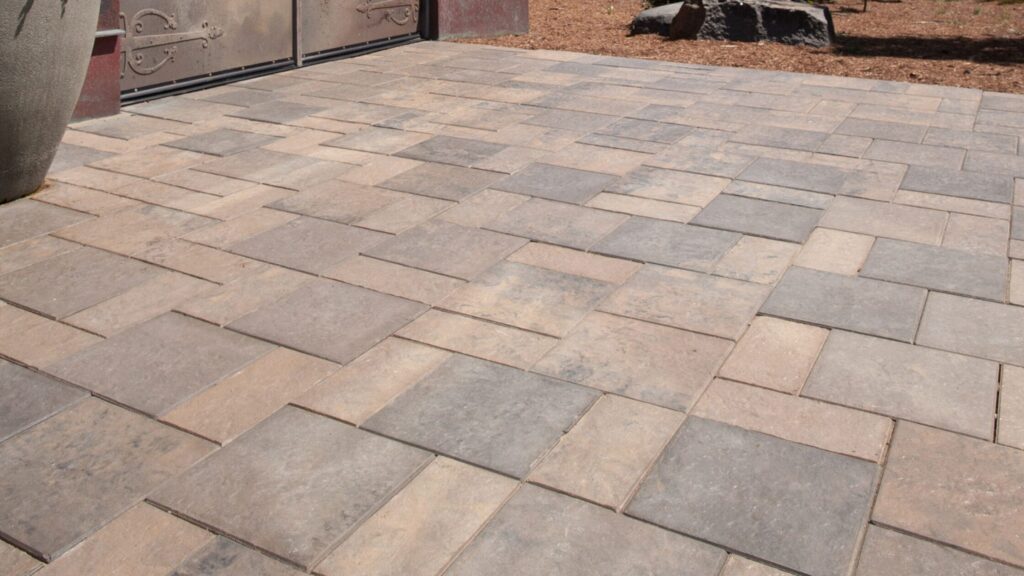
Ashlar patterns replicate the look of natural stone installations by combining multiple paver sizes in repeating sequences.
Advantages of ashlar layouts:
- Adds visual depth and movement
- Works well for large open patios
- Breaks monotony of single-size pavers
This pattern is ideal for outdoor kitchens, pool decks, and entertainment zones where homeowners want upscale design without the cost of natural stone slabs.
Careful planning ensures alignment consistency and avoids uneven joint spacing.
5. Stack Bond
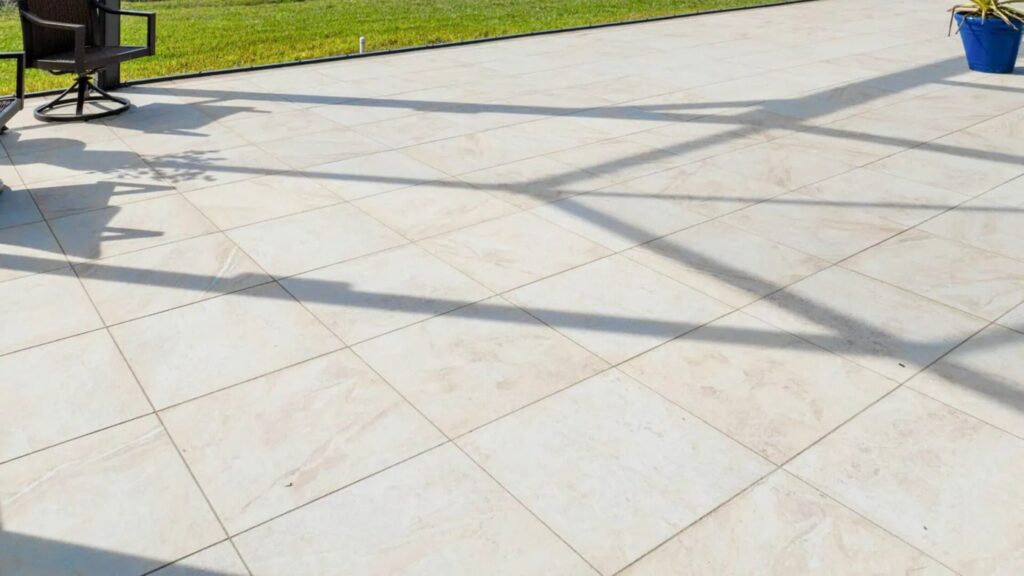
Stack bond delivers crisp symmetry and modern aesthetics. Its grid-like layout works well for minimalist design themes.
Best uses include:
- Rooftop patios
- Covered outdoor seating areas
- Decorative courtyards
Because stack bonds lack natural interlocking strength, it depends heavily on proper base preparation and edge restraints. It is best reserved for low-traffic environments.
6. Random or Irregular Pattern
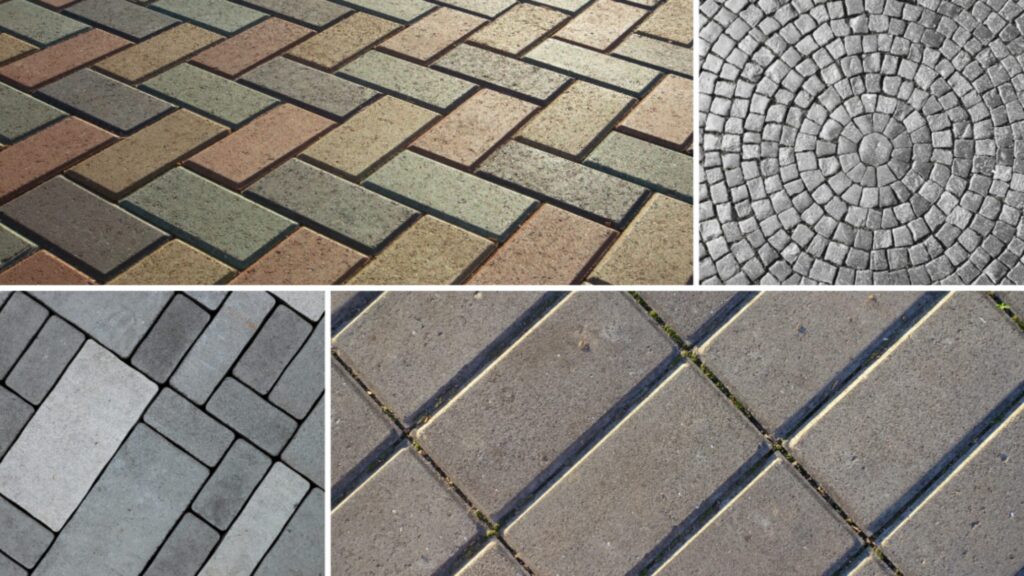
Random patterns create organic flow by using varied paver sizes arranged without visible repetition.
Why homeowners prefer random layouts:
- Mimics natural stone walkways
- Softens rigid architectural lines
- Blends naturally with landscaping
These patterns work well in backyard retreats, garden paths, and poolside environments where relaxation and visual warmth matter more than rigid structure.
7. Circular Pattern
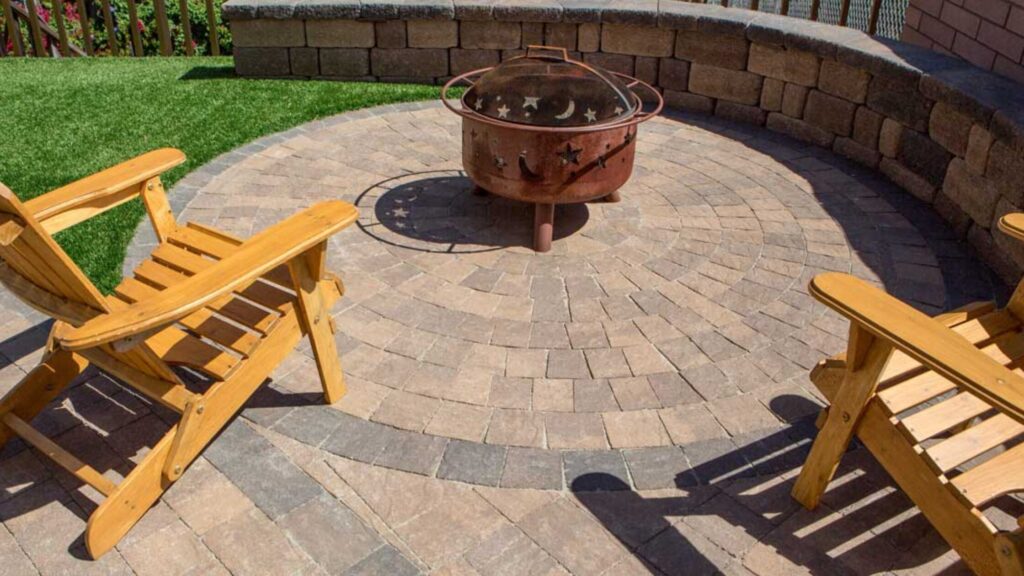
Circular paver layouts create striking focal points and visual flow. These patterns are commonly used to define central features.
Common applications include:
- Fire pit surrounds
- Patio dining centers
- Entry courtyard highlights
These layouts require precision planning and often use pre-designed circle kits for accuracy. Adding contrasting borders around circular patterns increases definition and visual impact.
8. Fan Pattern
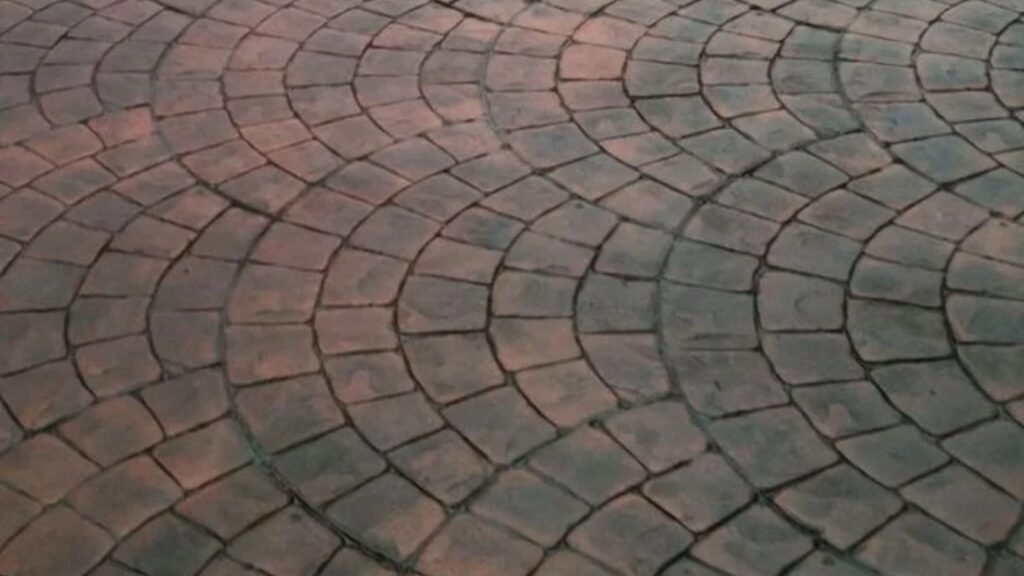
Fan patterns create sweeping curves that soften sharp lines and rigid layouts. This design works well in transitional spaces between hardscape and landscape areas.
Ideal placements include:
- Curved walkways
- Transitional garden paths
- Accent zones near entrances
This pattern helps break up linear hardscape designs and pairs well with natural landscaping features such as water elements and raised planters.
9. Pinwheel Pattern
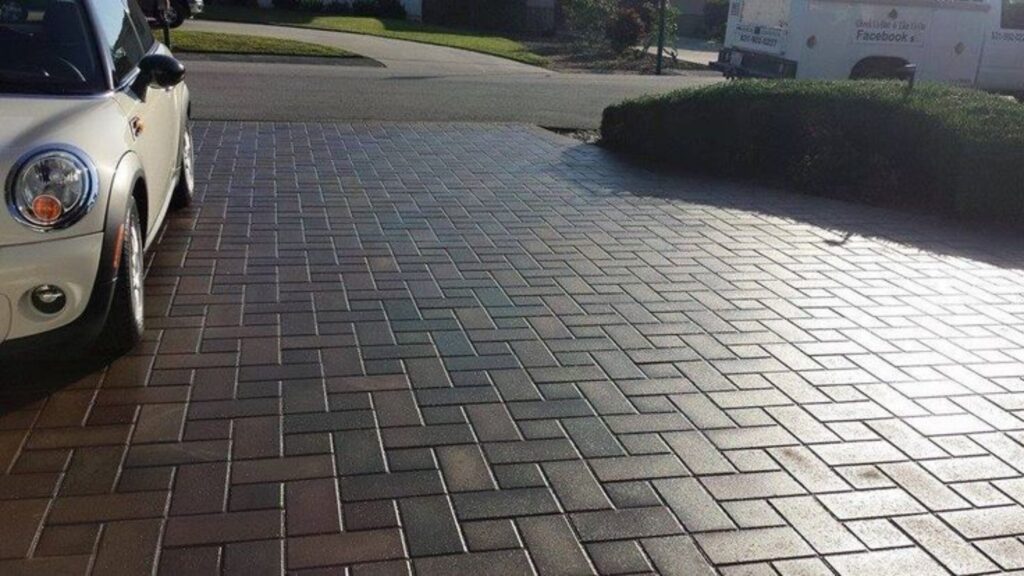
Pinwheel layouts combine symmetry and decorative flair. The repeating square rotation creates movement while maintaining structured geometry.
Benefits include:
- Unique visual appeal without complexity
- Works well in medium-sized patios
- Compatible with mixed material borders
Pinwheel patterns perform best when installed with uniform paver sizes and carefully aligned joints.
10. Pavers with Borders or Inlays
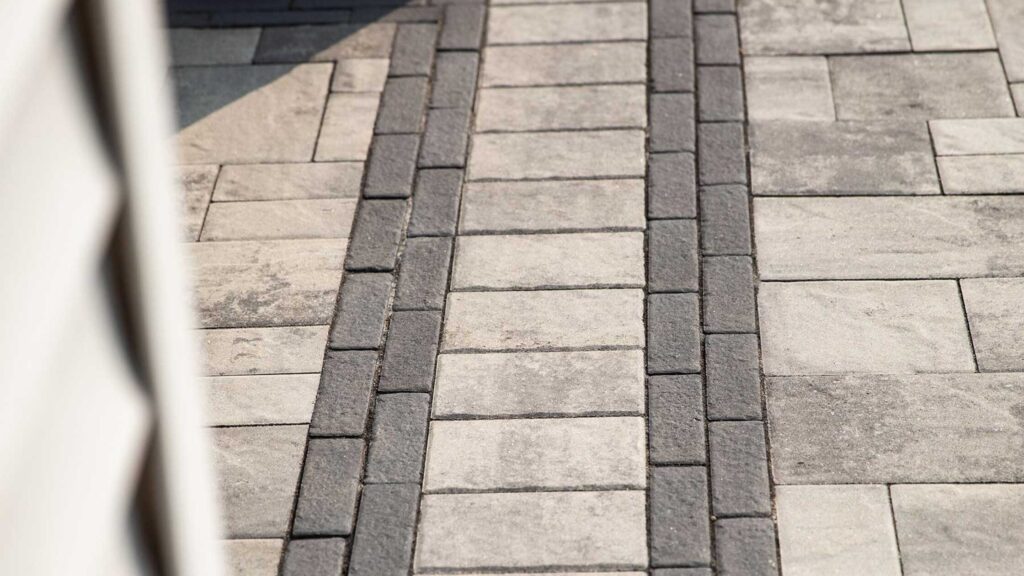
Borders and inlays allow homeowners to customize outdoor surfaces while improving structural stability.
Functional advantages include:
- Improved edge stability
- Reduced lateral movement
- Clear separation between zones
Design advantages include:
- Color contrast for visual framing
- Decorative bands for pathway emphasis
- Central medallions for focal interest
Well-designed borders can also help correct layout irregularities and align patterns with surrounding structures.
Best Paver Patterns for Driveways (Strength & Stability)
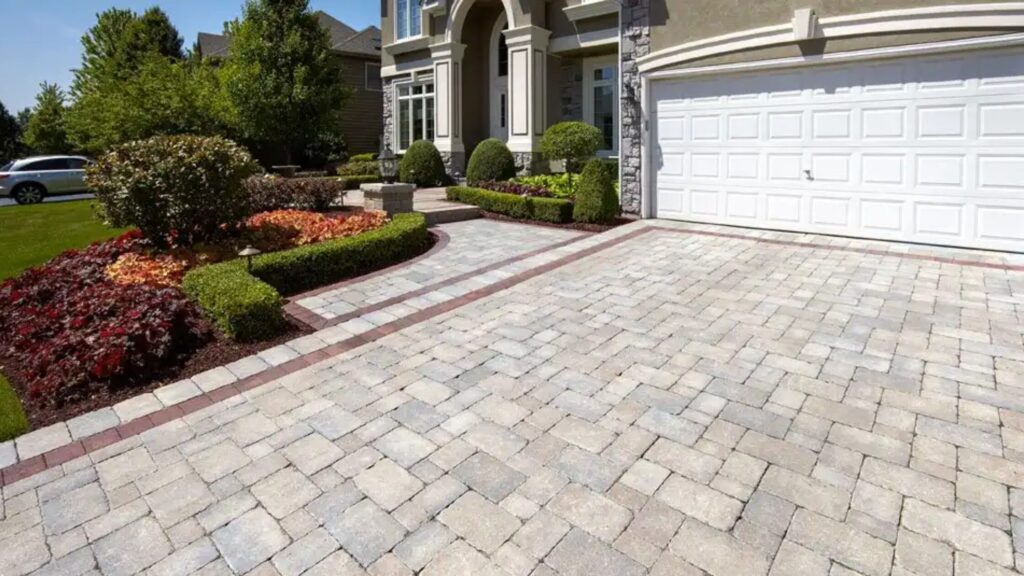
Driveways require patterns that handle consistent vehicle weight and surface stress.
Top Driveway Pattern Choices
The strongest options include:
- Herringbone, which offers superior interlocking
- Basketweave, when supported by a strong base
- Running bond, when installed with proper reinforcement
Why Pattern Strength Matters for Driveways
Vehicle weight distributes pressure across the surface. Strong interlocking patterns reduce sideways movement and help prevent long-term shifting. According to the Interlocking Concrete Pavement Institute (ICPI), herringbone layouts provide better load distribution than linear patterns for vehicular areas.
If you are exploring material options that support these layouts, reviewing the different types of pavers available on BestGC can help you match material strength with pattern performance.
Best Paver Patterns for Patios (Comfort & Design)
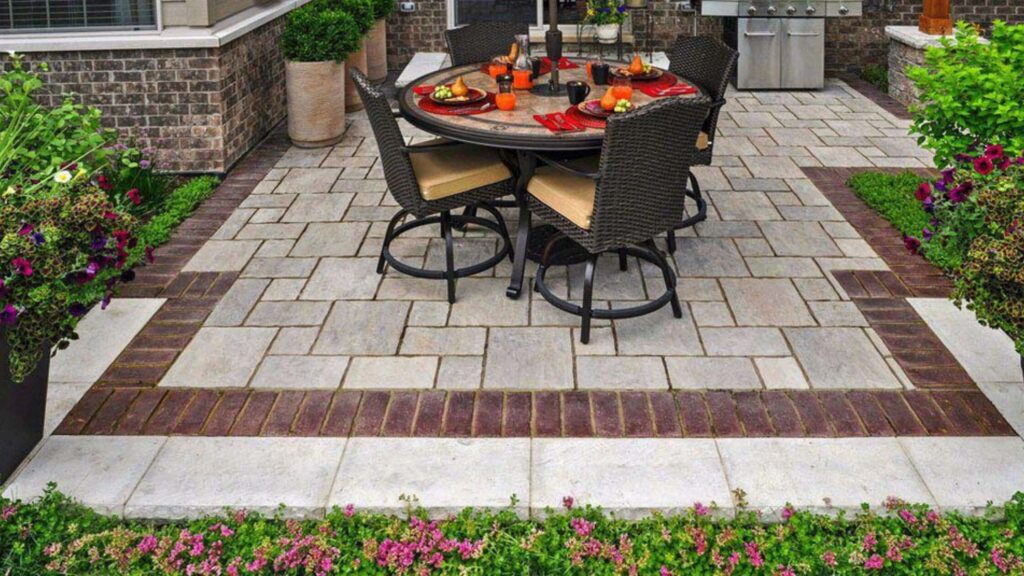
Patios give homeowners more freedom to balance appearance and function.
1. Popular Patio Pattern Options
Many homeowners choose:
- Ashlar or modular layouts for a high-end finish
- Running bond for simple and timeless designs
- Stack bond for modern outdoor spaces
2. Choosing a Pattern Based on Patio Size and Use
Large patios benefit from mixed-size modular layouts because they break up open space visually. Smaller patios often look better with simpler patterns that avoid visual clutter.
If your patio serves as an entertainment area, layouts that support furniture placement and walking flow perform better. For homeowners focused on visual impact, incorporating colorful accents can enhance the space. Ideas from colorful pavers that pop provide inspiration for blending bold tones into patio designs.
Best Paver Patterns for Walkways (Flow & Safety)
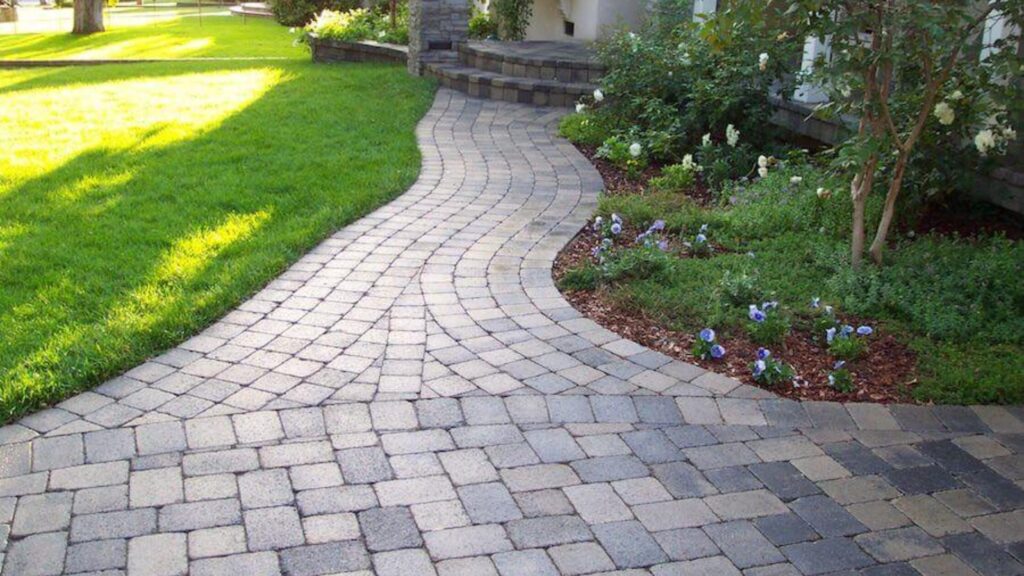
Walkways need patterns that guide movement naturally and provide stable footing.
1. Patterns That Guide Foot Traffic Naturally
For straight paths and narrow walkways, running bond layouts work especially well. Their linear design creates a natural forward flow and makes tight spaces feel longer and more open. On sloped walkways, herringbone patterns perform better because their interlocking structure improves traction and stability, helping reduce movement over time.
2. Decorative Walkway Pattern Ideas
Homeowners who want more visual character often choose curved or fan-style layouts. These patterns soften the appearance of long walkways and add elegance to garden paths and entryways. Stepping stone arrangements also remain popular for landscaped areas because they blend seamlessly with greenery and natural surroundings.
How to Choose the Right Paver Pattern for a Driveway
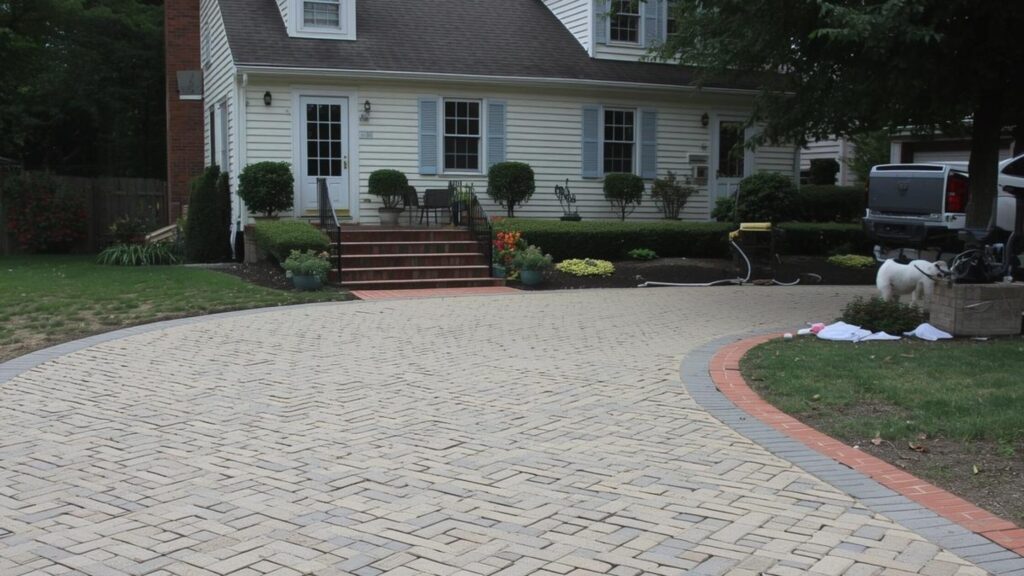
Driveways require more planning than most outdoor surfaces. Since vehicles apply constant pressure, the pattern you choose must balance strength, durability, and long-term maintenance.
1. Traffic Load and Vehicle Type
Homes with multiple vehicles, SUVs, or work trucks benefit from stronger interlocking layouts. Herringbone patterns distribute weight evenly across the surface and reduce lateral movement, making them a reliable option for residential driveways.
2. Climate and Ground Conditions
In colder regions, freeze-thaw cycles cause soil expansion and contraction. Interlocking patterns handle this movement more effectively and help prevent surface shifting. Proper layout selection combined with base preparation improves long-term stability.
3. Maintenance Expectations
Some patterns require more upkeep than others. Layouts that resist movement tend to hold joint sand better and reduce the need for frequent resealing or repairs. Choosing a durable pattern upfront often saves time and money in the long run.
How to Choose the Right Paver Pattern for a Patio
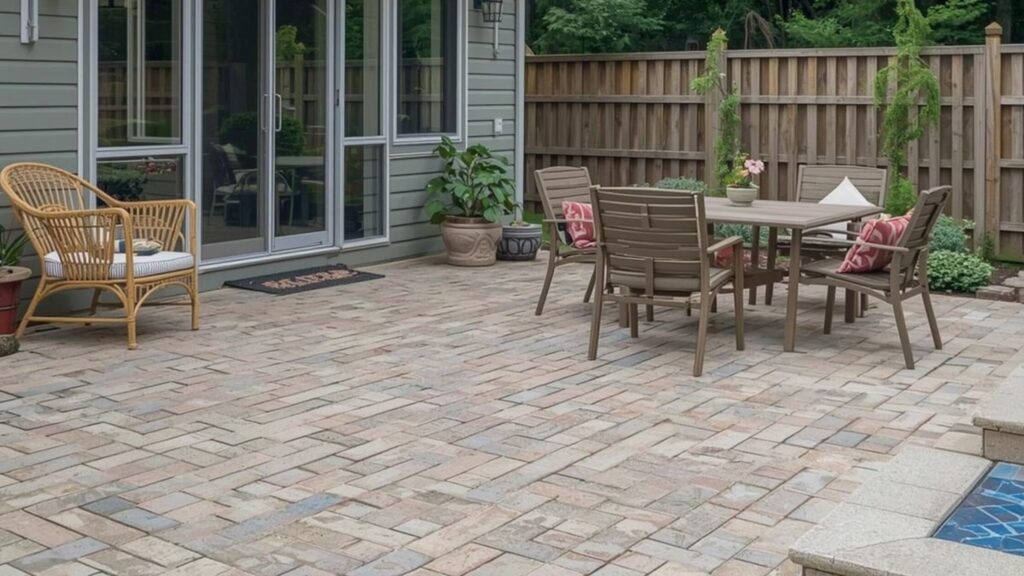
Patios allow more creative freedom than driveways, but thoughtful planning still matters.
1. Patio Size and Layout
Smaller patios usually benefit from simple patterns that avoid visual clutter. Larger patios offer more flexibility and can support decorative borders, modular layouts, and accent zones without feeling overcrowded.
2. Intended Use
The way you use your patio should guide your pattern choice. Dining areas work best with flatter, uniform layouts that allow chairs and tables to sit evenly. Lounge and entertainment spaces can accommodate more decorative patterns that add character and style.
3. Visual Style Preferences
Traditional homes often pair well with brick-style layouts such as running bond or basketweave. Contemporary homes tend to favor grid-style or large-format patterns that create clean lines and modern appeal.
How to Choose the Right Paver Pattern for Walkways
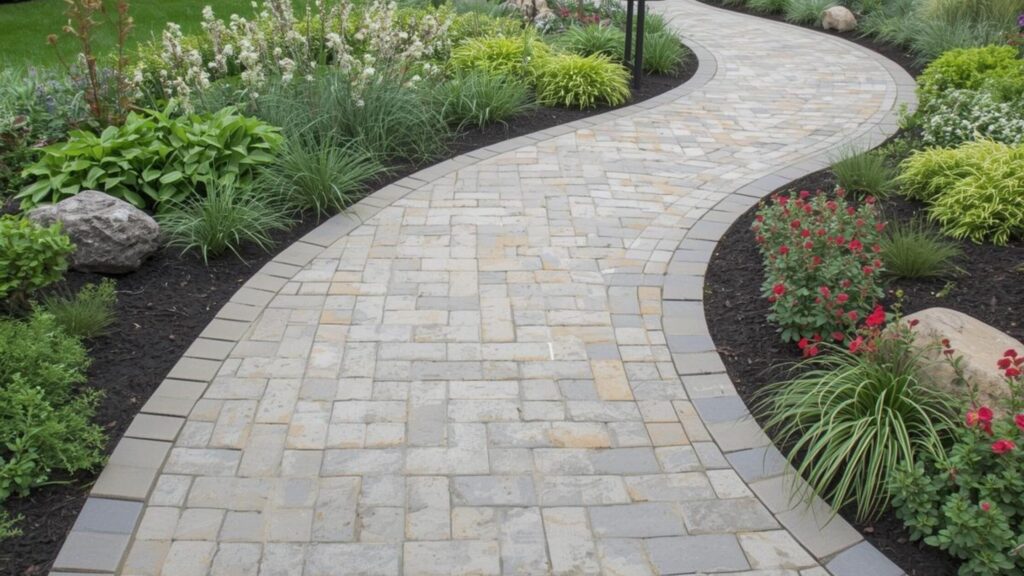
Walkway patterns should strike a balance between safety, movement flow, and visual design.
1. Path Width and Shape
Narrow walkways look more spacious when designed with linear layouts. Curved paths benefit from flexible patterns such as fan designs that follow natural contours without awkward cuts.
2. Slope and Drainage
Walkways built on slopes require patterns with strong interlocking properties. These layouts help prevent shifting and improve stability during heavy rain or seasonal ground movement.
3. Surrounding Landscape Style
Garden paths tend to look best with natural or irregular layouts that blend into the landscape. Formal entrances and front walkways usually benefit from structured patterns that complement architectural symmetry.
Trending Paver Patterns and Design Ideas Homeowners Are Choosing
Outdoor design trends continue to evolve as homeowners look for paving solutions that combine style, comfort, and long-term performance. Instead of focusing only on appearance, many modern designs emphasize functionality, sustainability, and visual balance.
1. Mixed-Size Modular Layouts
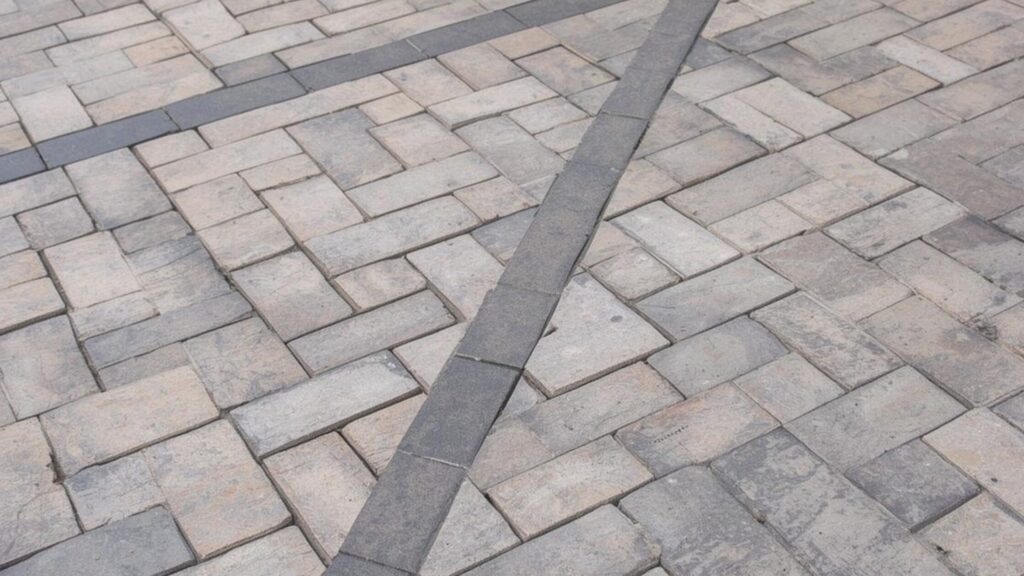
Modular patterns that blend multiple paver sizes have become one of the most popular design choices. These layouts create natural variation and visual depth without making the space feel busy. Homeowners often use modular designs for patios and outdoor entertaining areas because they deliver a high-end look while maintaining clean structure and symmetry.
This style also works well for larger spaces where uniform patterns can appear flat or repetitive.
2. Pavers with Turf or Decorative Accents
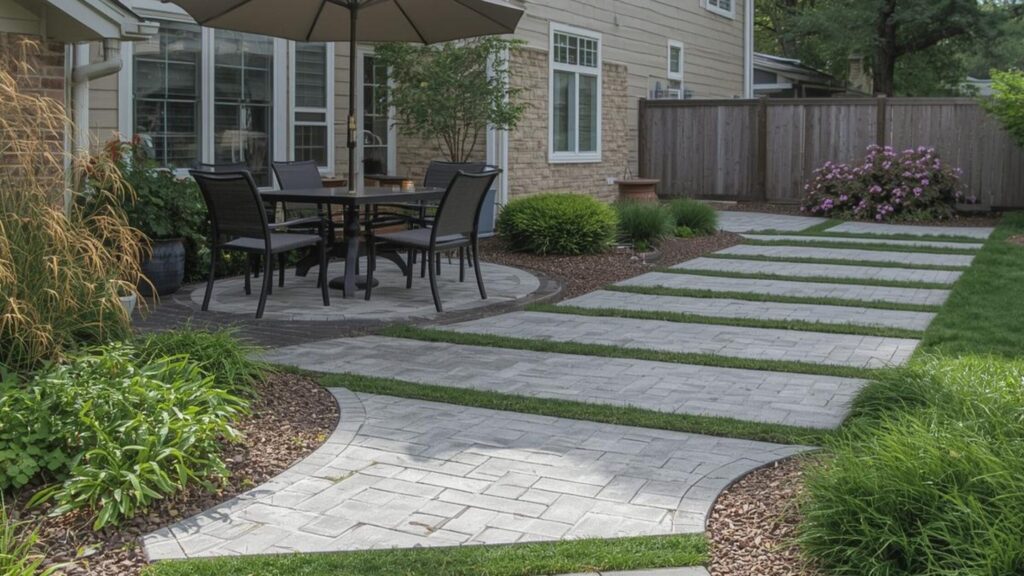
Another growing trend involves pairing pavers with grass strips, gravel inlays, or decorative stone accents. This approach adds texture and contrast while improving surface drainage and reducing water runoff. It also helps outdoor spaces feel more open and connected to surrounding landscaping.
Homeowners interested in environmentally conscious upgrades often explore eco-friendly paving options that support better water management and sustainable materials.
3. Popular Paver Color Choices
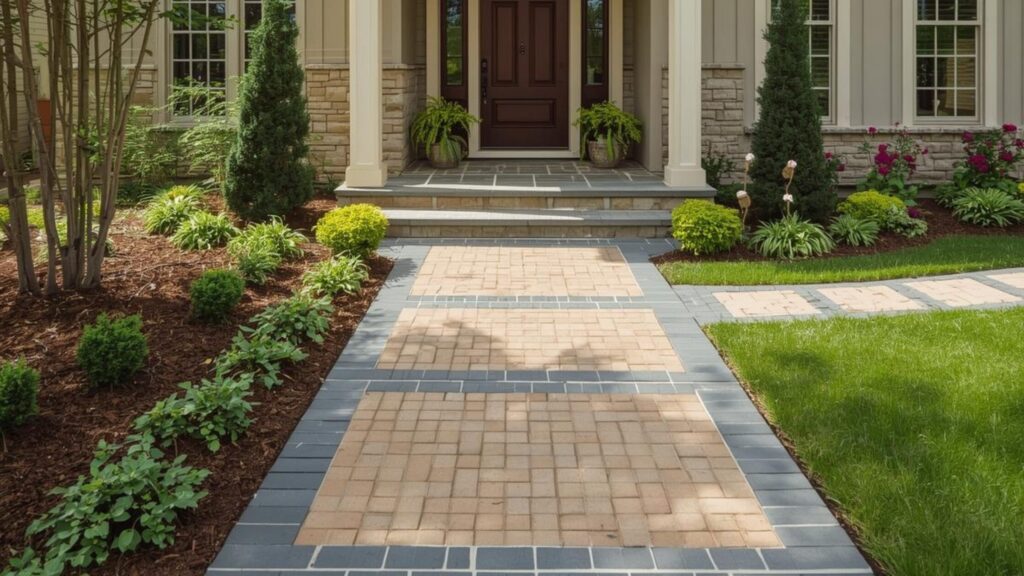
Color trends continue to shift toward natural and versatile tones. Earthy neutrals such as beige, tan, and soft gray remain favorites because they blend easily with most home exteriors. Lighter pavers are gaining popularity in warmer regions since they reflect heat and keep surfaces cooler under direct sunlight.
For modern homes, deeper charcoal and slate finishes provide a bold, contemporary look that pairs well with clean architectural lines.
If you are planning an exterior upgrade and looking for fresh ideas, current trending paving ideas for stylish home exteriors can offer inspiration for combining layout, color, and material choices into a cohesive design.
Common Mistakes to Avoid When Selecting Paver Patterns
Many issues stem from avoidable mistakes:
- Choosing decorative patterns for load-bearing areas
- Overcomplicating small spaces
- Ignoring slope and drainage planning
- Skipping proper base preparation
Avoiding these problems protects both appearance and longevity.
Professional vs DIY Paver Installation: What Homeowners Should Know
Benefits of Professional Installation
Professional installation ensures:
- Proper base preparation
- Accurate slope and drainage control
- Long-term surface stability
These factors directly impact durability.
When DIY May Be an Option
DIY projects work best for small patios or garden paths with simple layouts. Larger projects often require professional experience to avoid costly errors.
For homeowners upgrading outdoor living areas, learning why pavers are a perfect upgrade for outdoor living spaces helps connect design choices with long-term value.
Why Homeowners Trust Best GC for Paver Installation
Best Enterprises General Contracting provides tailored pattern recommendations, skilled installation, and quality craftsmanship. Their team understands how layout design affects durability, drainage, and visual appeal across residential outdoor projects.
Conclusion: Choosing a Paver Pattern That Looks Great and Lasts
The right paver pattern does more than improve appearance. It strengthens surfaces, supports proper drainage, and reduces long-term maintenance.
Planning your layout before installation helps avoid common mistakes and protects your investment. If you are preparing for a driveway, patio, or walkway project, working with experienced professionals can ensure your design performs as well as it looks.