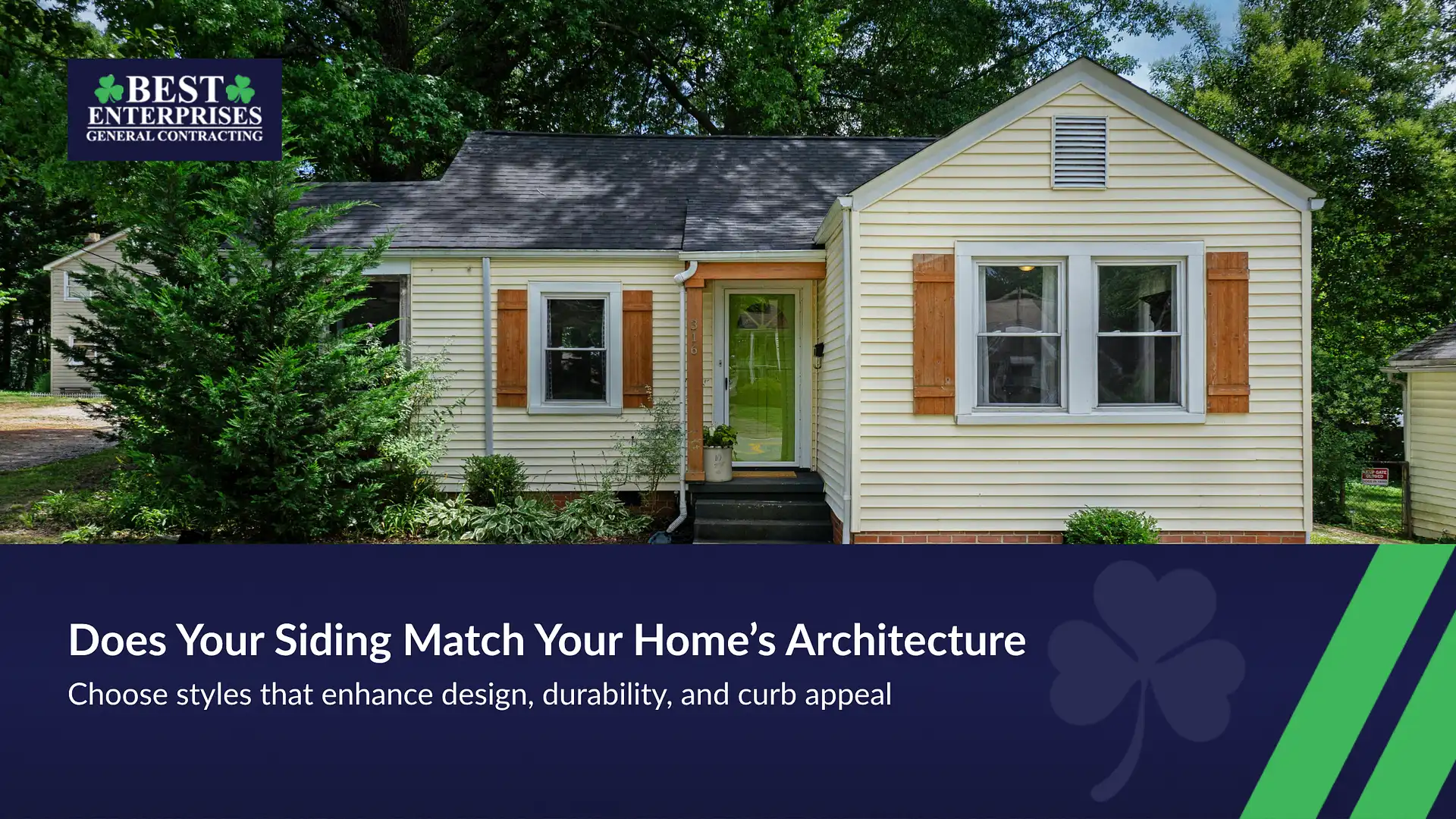
Choosing new siding isn’t just about picking a color you like. The right siding should complement your home’s architecture, stand up to your local climate, and improve long-term value. When these elements work together, your home looks cohesive and feels well-designed not pieced together.
In this guide, you’ll learn how to match siding styles to your home’s architecture, compare materials, and avoid common mistakes homeowners often make.
Why Your Siding Choice Matters More Than You Think
Siding plays a major role in how your home looks and performs. It affects curb appeal, insulation, and even resale value.
According to industry reports, siding replacement can deliver a return on investment (ROI) of 70%–80% in the U.S., depending on the material and region. That makes it one of the more impactful exterior upgrades.
But ROI isn’t just about numbers. When siding matches your home’s design:
- The exterior feels balanced and intentional
- Architectural details stand out instead of clashing
- Buyers perceive higher value
A mismatch, on the other hand, can make even a well-built home look off.
Step-by-Step: How to Choose the Right Siding
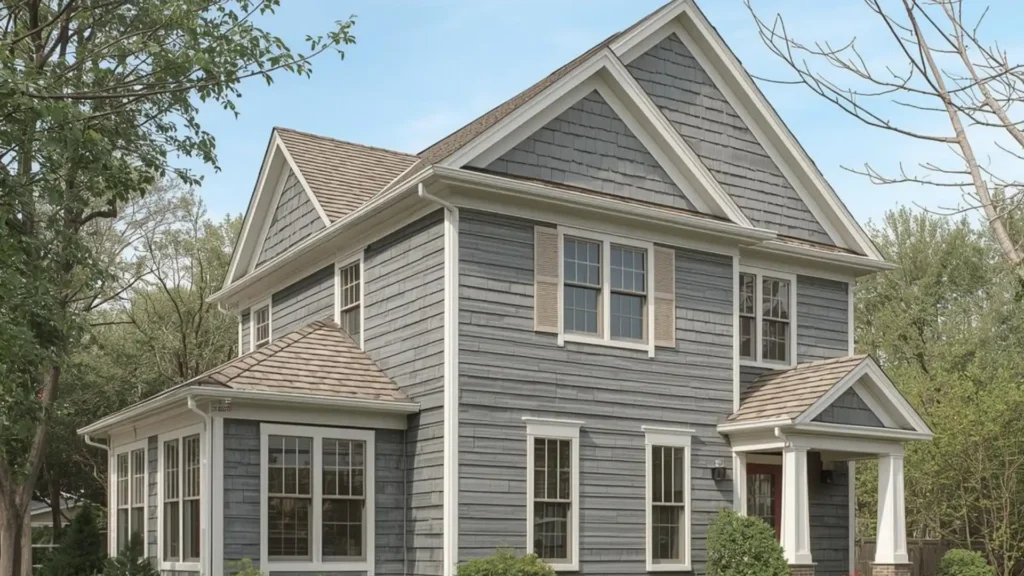
1. Start by Identifying Your Home’s Architectural Style
Before exploring materials or colors, take a close look at your home’s structure. Its architectural style should guide every siding decision you make.
Pay attention to details like:
- Roof shape — flat, gabled, or steep-pitched
- Layout — symmetrical or asymmetrical
- Design elements — ornate trims or clean, minimal lines
For instance, homes with balanced, symmetrical layouts often fall into the Colonial category, while sleek lines and minimal detailing point toward a modern design. Getting this step right ensures your siding enhances not clashes with your home’s character.
2. Factor in Your Local Climate
Siding needs to do more than look good; it should perform well in your environment. Weather conditions across the U.S. vary widely, and choosing the wrong material can lead to frequent repairs or early replacement.
Here’s a quick way to think about it:
- Northeast & Midwest: Look for materials that resist moisture, freezing temperatures, and snow buildup
- Southern states: Heat- and humidity-resistant siding helps prevent warping and mold growth
- Coastal regions: Salt air and moisture require durable, corrosion-resistant options
A siding choice that suits your climate will last longer and require less upkeep over time.
3. Set a Realistic Budget (Think Long-Term)
It’s easy to focus on upfront costs, but siding is a long-term investment. A lower-priced option may seem appealing initially, yet ongoing maintenance and repairs can quickly add up.
When setting your budget, consider:
- How often the material needs maintenance
- Potential repair or replacement costs
- Expected lifespan of the siding
Spending a bit more on a durable option often pays off in the long run.
4. Choose the Right Material and Texture
Material and texture play a big role in how your home looks from the street. The goal is to match the visual feel of your siding with your home’s overall design.
- Smooth, clean panels work well for modern homes
- Textured finishes like shingles or wood grain complement traditional styles
- Vertical or mixed siding can add visual interest when used thoughtfully
The right combination creates depth and keeps your exterior from looking flat or overly busy.
5. Select Colors That Tie Everything Together
Color is what brings your entire exterior together. Instead of choosing it in isolation, think about how it works with the rest of your home.
Focus on coordinating with:
- Your roof color
- Window trims and doors
- Surrounding elements like landscaping or stonework
A well-planned color palette creates a cohesive look, while mismatched tones can make even high-quality siding feel out of place.
Best Siding Options for Popular Home Styles
Different architectural styles call for specific siding choices. Here’s how to match them effectively.
1. Modern & Contemporary Homes
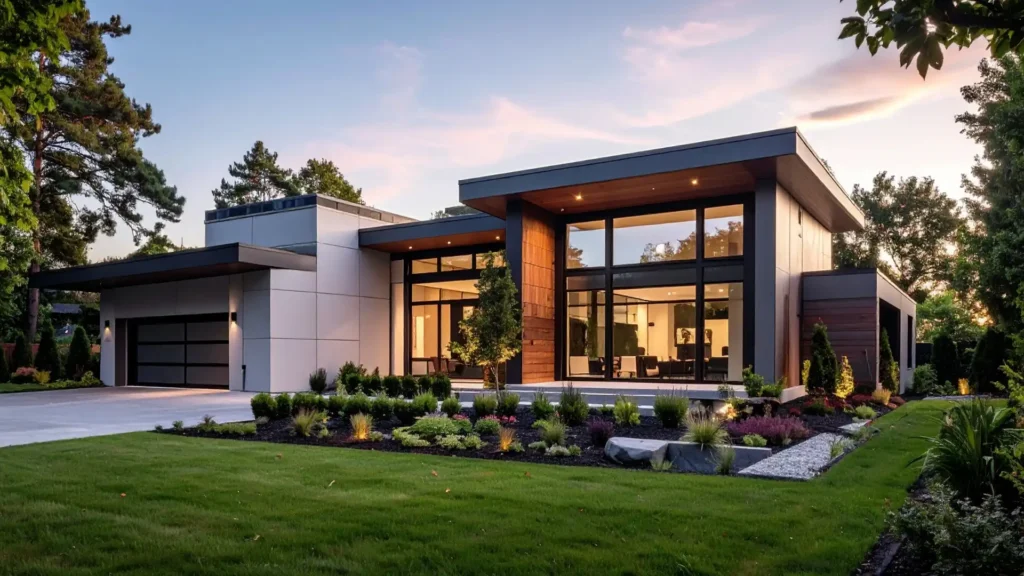
Modern homes are all about clean lines, open spaces, and a minimalist look. The siding you choose should reflect that simplicity without adding unnecessary detail.
Materials like fiber cement panels and metal siding work well because they offer smooth, uninterrupted surfaces. These options create a sleek finish that complements the geometry of modern design.
When it comes to color, neutrals such as black, white, and shades of gray are a natural fit. If you want to make a statement, adding bold contrasts like dark siding paired with lighter trim can create a striking visual effect without overwhelming the design.
2. Colonial Homes
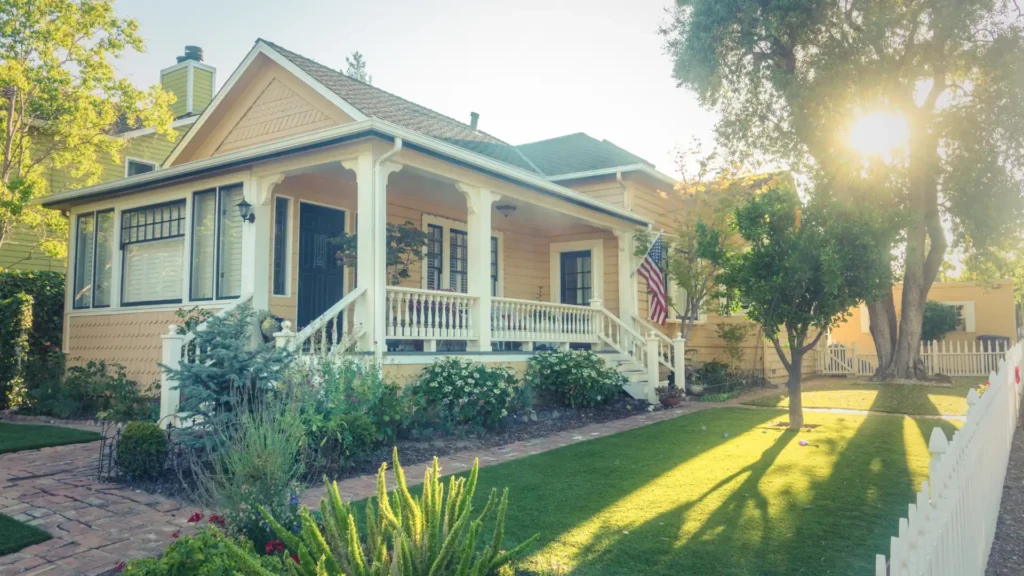
Colonial homes have a timeless appeal rooted in symmetry and proportion. The siding should reinforce that traditional look rather than modernize it too much.
Horizontal lap siding is a popular choice because it maintains the clean, uniform appearance these homes are known for. Brick or stone veneer can also work well, especially for adding a sense of permanence and elegance.
Classic color palettes are key here. Whites, soft grays, beige tones, and muted blues help preserve the home’s original charm while keeping it visually balanced.
3. Craftsman Homes
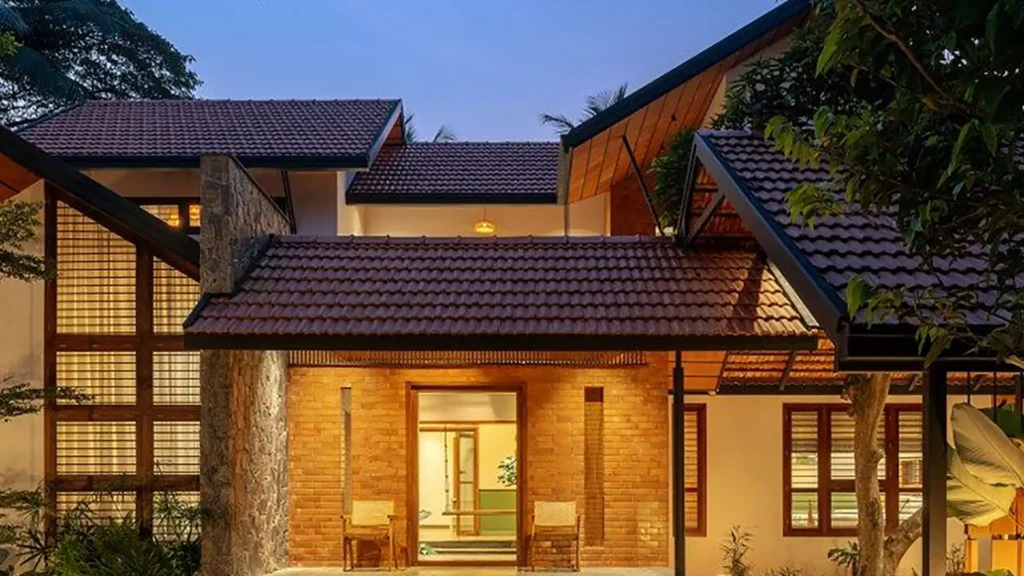
Craftsman-style homes stand out for their attention to detail and use of natural materials. The siding should highlight texture and craftsmanship rather than hide it.
Wood siding, shingles, and board-and-batten designs are commonly used to create depth and visual interest. Fiber cement siding with a wood-like texture is also a strong option if you want durability without sacrificing appearance.
Earth-inspired colors such as olive green, warm brown, and deep gray blend beautifully with the natural aesthetic that defines Craftsman homes.
4. Ranch-Style Homes
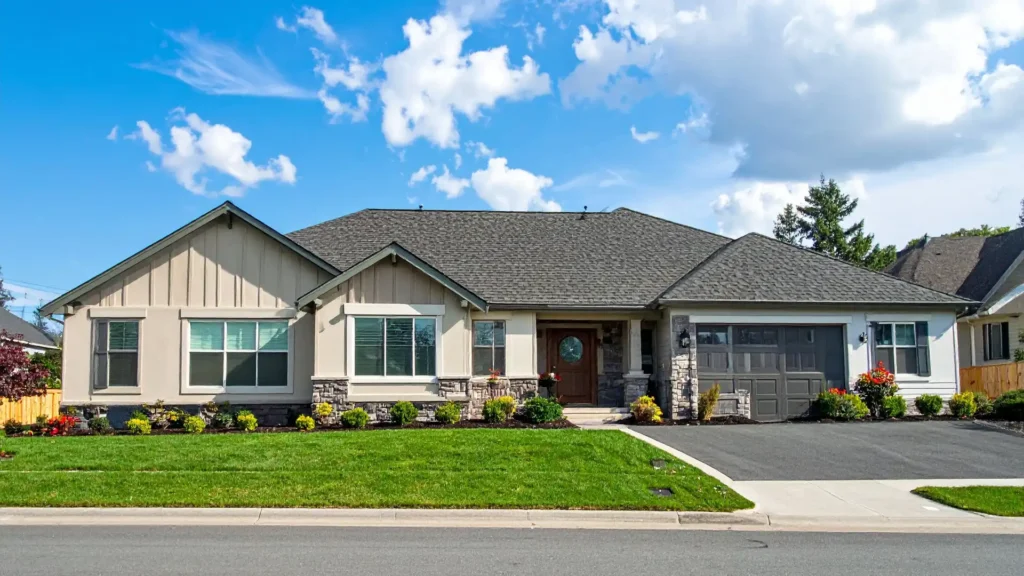
Ranch homes are known for their simplicity and horizontal layout. The siding should enhance that low-profile design without making the exterior feel flat.
Vinyl siding and horizontal lap siding are practical choices that maintain a clean and consistent look. To add some dimension, many homeowners mix materials such as pairing siding with stone accents along the base.
Keeping the design simple works best, but small touches like contrasting trim or subtle texture changes can add just enough visual interest.
5. Victorian Homes
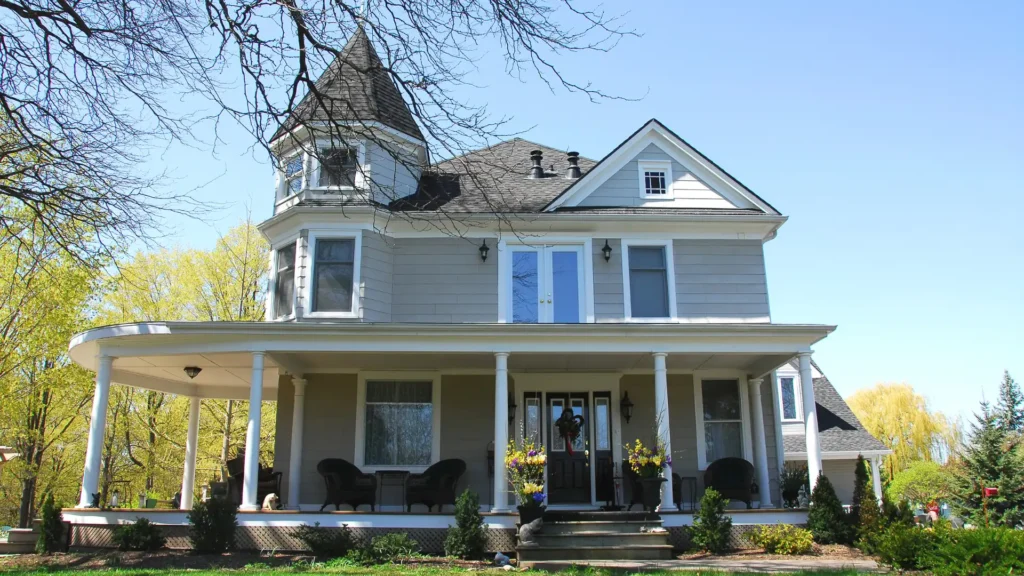
Victorian homes are rich in detail, with intricate trims and decorative features that deserve to stand out. The siding should support this level of detail rather than compete with it.
Decorative wood siding and patterned shingles are ideal for maintaining the ornate look. These materials allow for layered textures that highlight architectural features.
Color plays a major role here. Unlike other styles, Victorian homes often benefit from multi-color schemes. Using complementary shades can draw attention to trims, moldings, and other design elements, giving the home its signature charm.
How to Match Siding with Existing Exterior Features
Many homeowners focus only on architecture and overlook existing elements. That’s where mismatches happen.
1. Roof Coordination
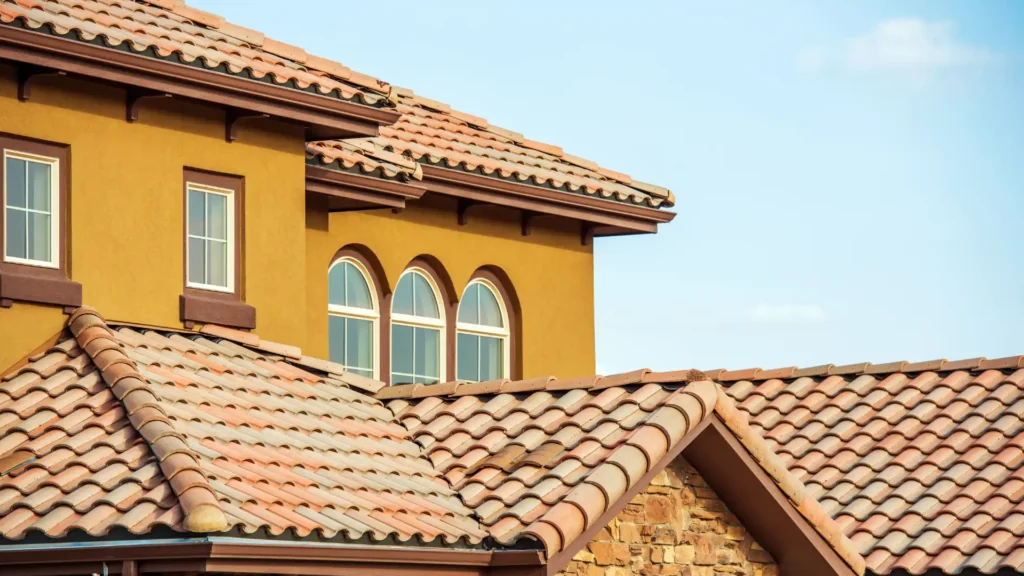
Your roof is one of the most dominant visual elements, so it naturally sets the tone for your exterior color palette.
- Dark roofs (charcoal, black, deep brown) pair best with lighter siding to create contrast and balance
- Light roofs (gray, tan) allow for more flexibility, including bolder or deeper siding colors
- If your roof has mixed tones, pull a complementary shade from it to guide your siding choice
2. Windows and Trim
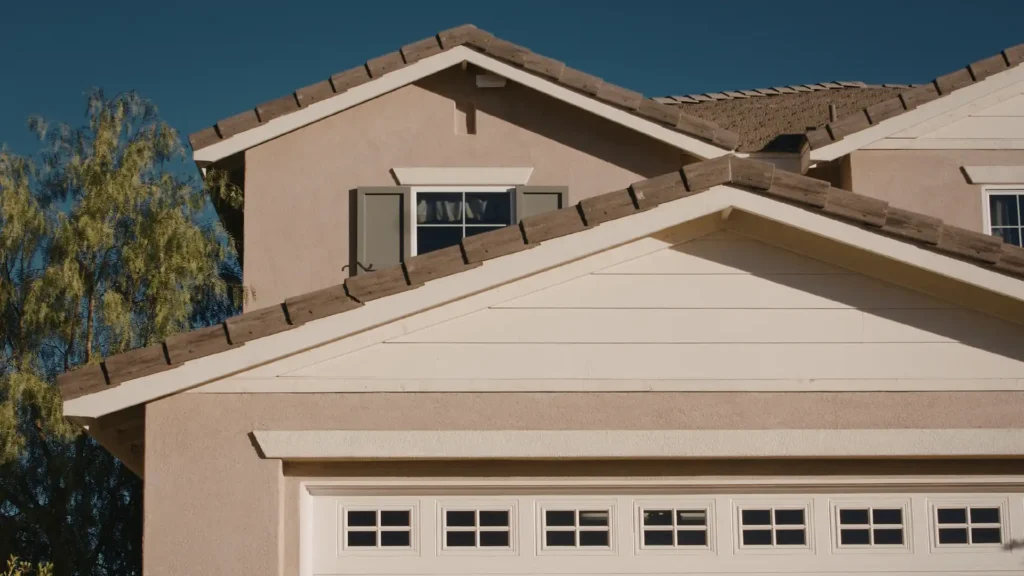
Trim acts like a frame for your home; it defines edges and highlights architectural details.
- White or light trim creates a crisp, classic look against darker siding
- Dark trim adds a modern, high-contrast feel
- Consistency is key match trim across windows, doors, and fascia for a cohesive finish
3. Stone, Brick, and Landscaping
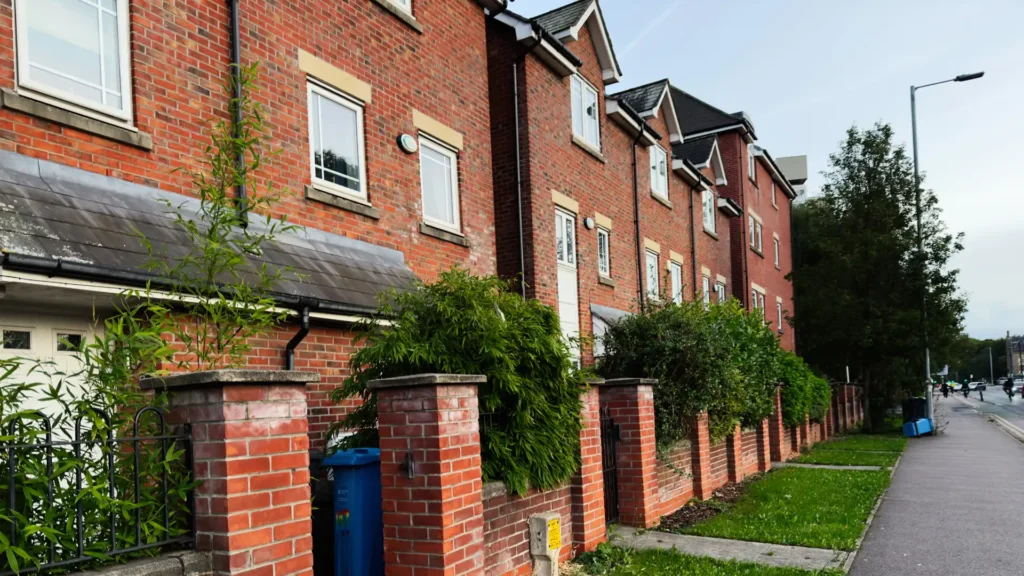
If your home already includes stone or brick, these materials should lead your color decisions.
- Choose siding that complements the undertones in the masonry (warm vs. cool)
- Neutral siding colors (beige, gray, taupe) tend to work best and prevent visual competition
- Consider how landscaping colors (greens, browns, seasonal blooms) interact with your siding for a balanced overall look
4. Contrast vs Blend
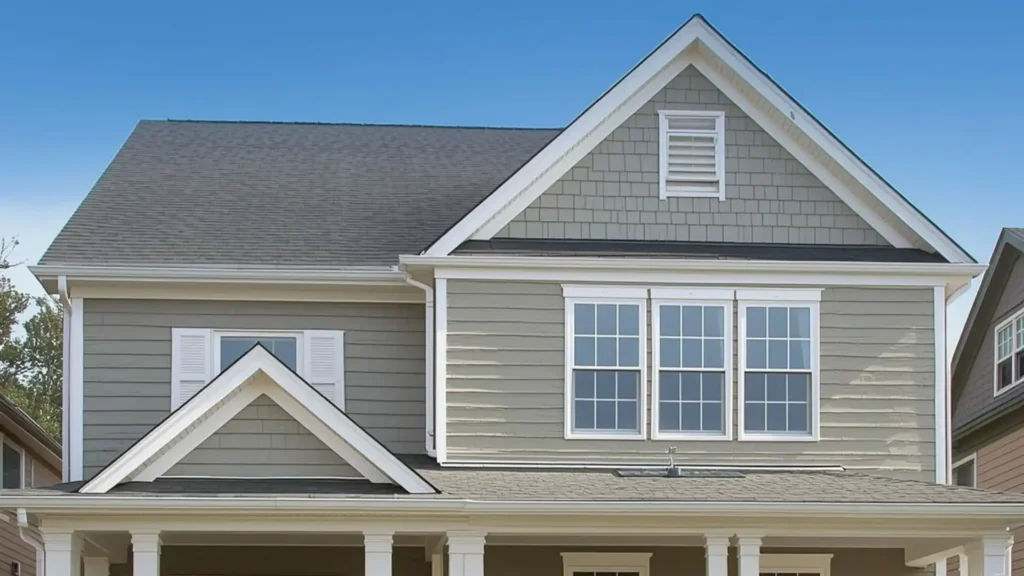
Striking the right balance between contrast and cohesion is essential.
- Use contrast to highlight key features like entryways, gables, or trim
- Use blending for larger surfaces to create a smooth, unified appearance
The goal is balance. Too much contrast can feel overwhelming and busy, while too much blending can make your home look flat and lack definition. A thoughtful mix of both creates a polished, visually appealing exterior.
Regional Tips for Choosing Siding in the U.S.
Climate plays a bigger role than most homeowners expect.
- Cold regions: Choose materials that resist cracking and moisture damage
- Hot climates: Look for heat-resistant siding that won’t warp
- Coastal areas: Prioritize moisture and salt resistance
- Mixed climates: Durable, low-maintenance options perform best
Energy-efficient siding can also help reduce heating and cooling costs.
Common Mistakes to Avoid
Even small mistakes can affect both appearance and performance.
- Choosing style over durability
- Ignoring your home’s original design
- Mixing too many siding styles
- Skipping professional advice
Avoiding these pitfalls can save time, money, and frustration.
Pro Tips to Boost Curb Appeal Instantly
If you want quick improvements, focus on small but impactful changes:
- Add contrasting trim for depth
- Combine two siding styles strategically
- Use modern neutral colors
- Upgrade exterior lighting alongside siding
These upgrades can transform your home without a full redesign.
When to Hire a Professional Contractor
Some projects require expert guidance. You should consider hiring a professional if:
- You’re unsure about style compatibility
- Your home has structural or weather-related concerns
- You want long-lasting results
Professionals can recommend the right materials and ensure proper installation, which directly affects durability.